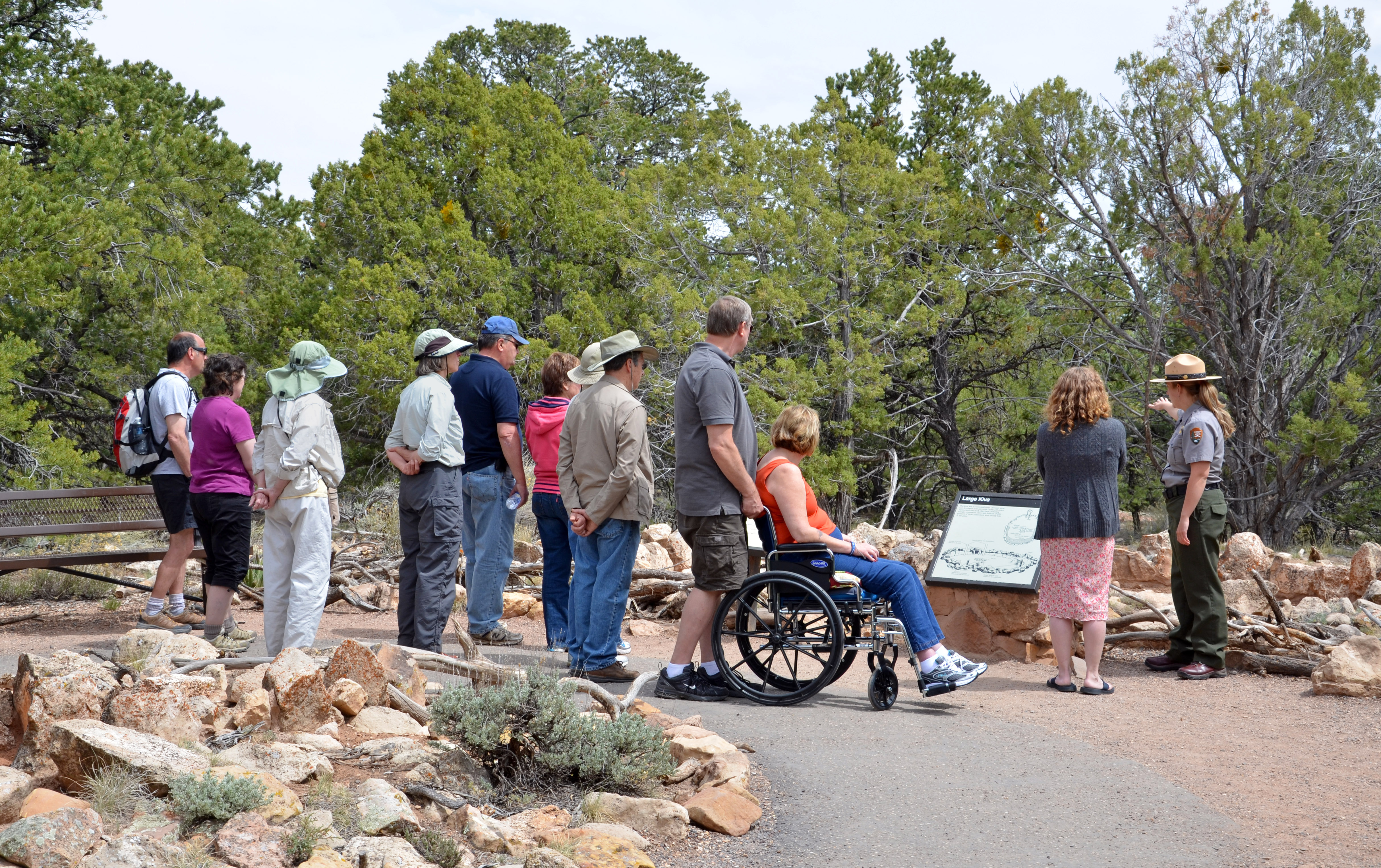
Grand Canyon Accessibility: Is It Wheelchair Accessible?
Accessibility is an important part of ensuring this extraordinary place can be experienced by everyone.
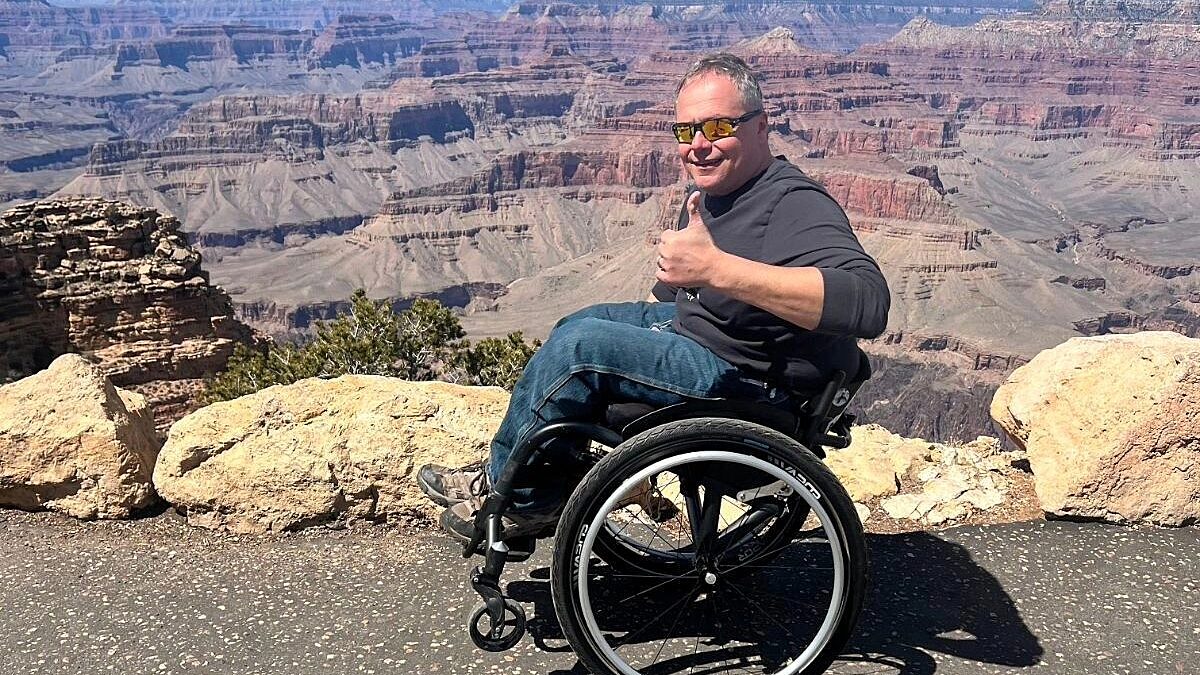
Ensuring Meaningful Access
If you are planning a visit and wondering about Grand Canyon accessibility, the good news is that many areas of the park are wheelchair accessible and intentionally designed to welcome visitors with mobility challenges. From scenic overlooks and museums, such as Yavapai Geology Museum to shuttle buses and paved trails, there are many ways to experience the canyon’s beauty.
In this guide, we break down what is wheelchair accessible at the canyon, including highlights at the South Rim and Desert View. Because accessibility can vary by location, season, and weather, we also share practical planning tips and trusted resources to help make your visit as smooth and meaningful as possible.
Ensuring meaningful access to Grand Canyon is part of protecting it for generations to come.
Wheelchair Accessibility at the South Rim
The South Rim is the most accessible area of Grand Canyon and is open year-round, making it the best option for visitors seeking wheelchair-friendly experiences.
Many of the park’s most iconic viewpoints, services, and educational stops are located here.
Visitors using wheelchairs can enjoy a wide range of accessible features, including:
- Rim Trail: A mostly paved, relatively flat trail that follows the edge of the canyon and offers stunning views at multiple points.
- Grand Canyon Visitor Center: Fully accessible with exhibits, restrooms, and staff available to help answer questions.
- Mather Point: One of the park’s most popular viewpoints, featuring paved paths and railings.
- Trail of Time: An educational, accessible walkway that brings the canyon’s geology to life through outdoor exhibits.
- Yavapai Geology Museum: Accessible exhibits paired with sweeping canyon views just outside the building.
- Hermit Road viewpoints: Accessible by shuttle or private vehicle with a scenic drive accessibility permit.
- Bright Angel Bicycles: Offers wheelchair and tandem bicycle rentals for visitors looking for an alternative way to explore.
- South Rim Shuttle Buses: All shuttle buses are wheelchair accessible and equipped with ramps.
- Grand Canyon Conservancy's Retail locations: Several of our retail locations are ADA compliant, including Desert View, Verkamp’s Visitor Center, The Visitor Center Store – South Rim, and Yavapai Geology Museum.
With thoughtful planning, the South Rim offers a full and rewarding Grand Canyon experience, from educational museums to unforgettable overlooks.
Wheelchair-Accessible Stops at Desert View
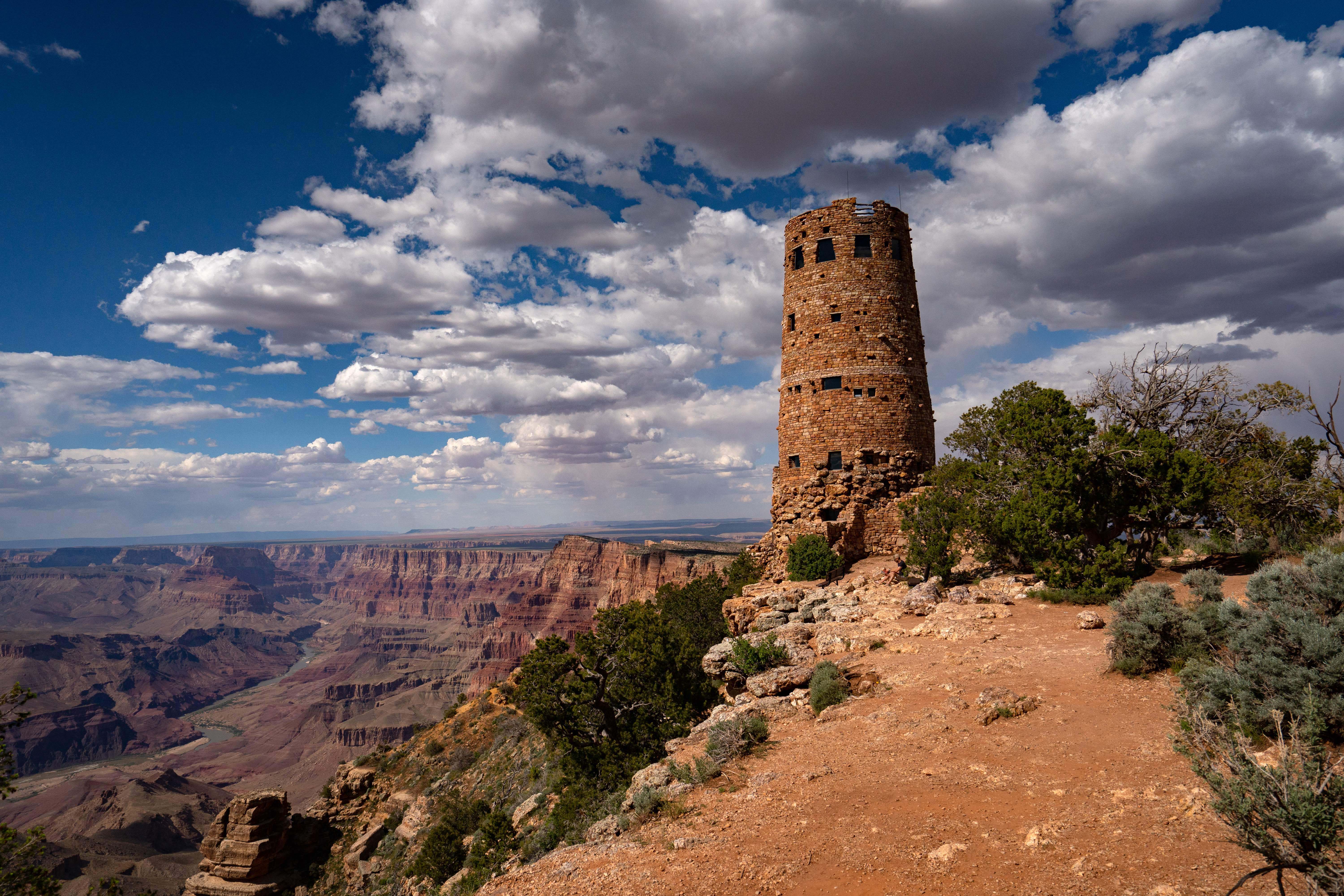
Desert View is located on the eastern edge of the park and is known for its wide-open vistas and iconic Watchtower.
Several viewpoints in this area are accessible by vehicle and paved paths, including:
- Grandview Point
- Moran Point
- Lipan Point
- Navajo Point
- Desert View Point
The Desert View Watchtower itself is partially accessible. While the upper floors are not wheelchair accessible, visitors can still enjoy the exterior architecture, murals near the base, and surrounding viewpoints that showcase expansive Canyon views.
Helpful Accessibility Tips for Your Visit
Accessibility at Grand Canyon can vary based on season, weather, construction, and staffing, so planning ahead can make a big difference.
Before your visit, consider the following tips:
- Check the National Park Service accessibility page for the most up-to-date information
- Download the NPS app, which includes audio-described content for select trails and viewpoints
- Allow extra time for shuttle transportation and scenic stops
- Ask park staff about current accessibility accommodations and route conditions
Park rangers and visitor center staff are always a great resource and are happy to help.
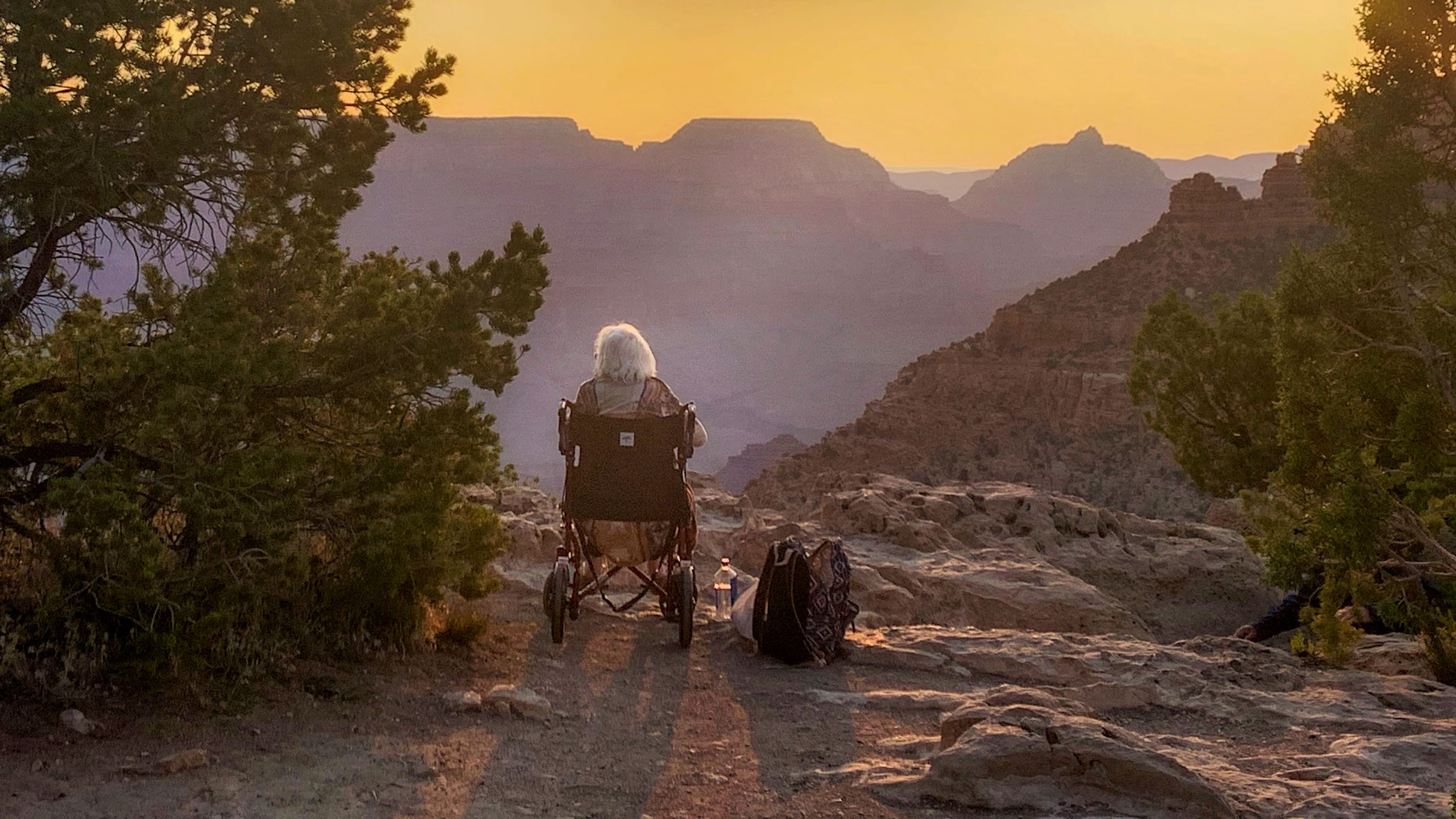
Experiencing Grand Canyon for Everyone
Grand Canyon is more than a destination. It is a shared natural and cultural treasure that holds meaning for people of all abilities.
While not every trail or historic structure is fully accessible, many areas of the park offer inclusive ways to experience the Canyon’s scale, beauty, and history. Paved rim trails, accessible shuttles, museums, and scenic overlooks provide meaningful opportunities for visitors with mobility challenges to connect with this extraordinary place.
As the official nonprofit partner of Grand Canyon National Park, Grand Canyon Conservancy is committed to protecting and preserving Grand Canyon while ensuring people feel informed and welcome as they plan their visit.
For the latest accessibility updates, visit the National Park Service accessibility guide:
https://www.nps.gov/grca/planyourvisit/accessibility.htm