
Grand Canyon in Fall: Best Things to Do & See
Planning a fall visit to Grand Canyon? Explore the best things to do, including hiking, fall colors, guided tours, events, and tips for your trip.

Fall can be one of the most rewarding times to experience Grand Canyon. Cooler temperatures along the rim, changing foliage, hiking opportunities, educational programs, and shorter days that make catching sunrise and sunset a little easier all give visitors plenty of reasons to plan a trip.
But visiting Grand Canyon in fall isn't a one-size-fits-all experience. Conditions can change significantly between September and November, and between the rim and the inner canyon. Knowing what to expect can help you plan a safer, more meaningful visit.
2026 Visitor Update: Following the August 29 flash flood in Bright Angel Canyon and the Phantom Ranch area, significant inner-canyon closures are currently in place. Traditional Rim-to-Rim hiking is not available at this time. Visitors should check the current National Park Service conditions and trail closures before planning any hike.
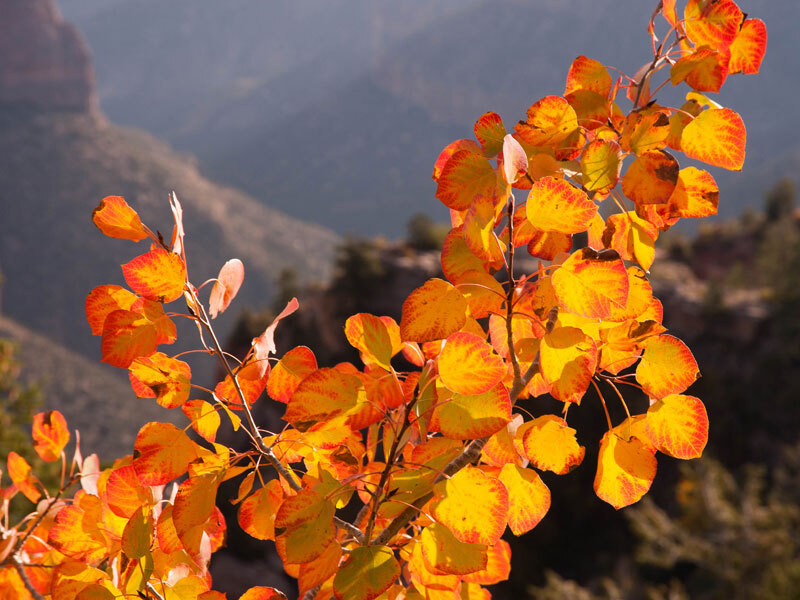
Is Fall a Good Time to Visit Grand Canyon?
Yes. Fall can be an excellent time to visit Grand Canyon, particularly for travelers interested in hiking, photography, learning about the park, and spending more time outdoors.
As summer transitions into fall, temperatures along the rim generally become cooler, while conditions within the canyon can remain considerably warmer. That elevation difference is one of the most important things to understand when planning a fall visit: conditions at an overlook may be very different from those encountered farther down a trail.
October is traditionally an especially appealing month for hiking and educational experiences, but weather, trail access, and seasonal services can vary. Plan ahead, know your route, and always check current park conditions before setting out.
View our month-by-month planning guide.
What Is Grand Canyon Weather Like in Fall?
Fall brings a transition from warmer late-summer conditions toward colder days and nights. Because Grand Canyon spans a dramatic range of elevations, temperatures and conditions can vary substantially depending on where you explore.
Grand Canyon in September
September often feels like a transition between summer and fall. Days can still be warm, particularly below the rim, while mornings and evenings at higher elevations may feel noticeably cooler.
If you're hiking, bring plenty of water and prepare for changing temperatures throughout the day. Layers can make it easier to adjust as conditions change.
Grand Canyon in October
October often brings cooler conditions along the rim and can be a beautiful time to hike, explore the forest, photograph the landscape, and participate in guided educational experiences.
It's also a time to look for changing foliage in the higher-elevation forests surrounding the canyon. Peak color varies from year to year, so treat fall colors as part of the experience rather than planning around one guaranteed peak date.
Grand Canyon in November
By November, visitors should be prepared for colder and more variable conditions, particularly at higher elevations. Daylight hours are also shorter, making it especially important to consider turnaround times when hiking.
Check current weather, trail conditions, road information, and seasonal services before traveling.
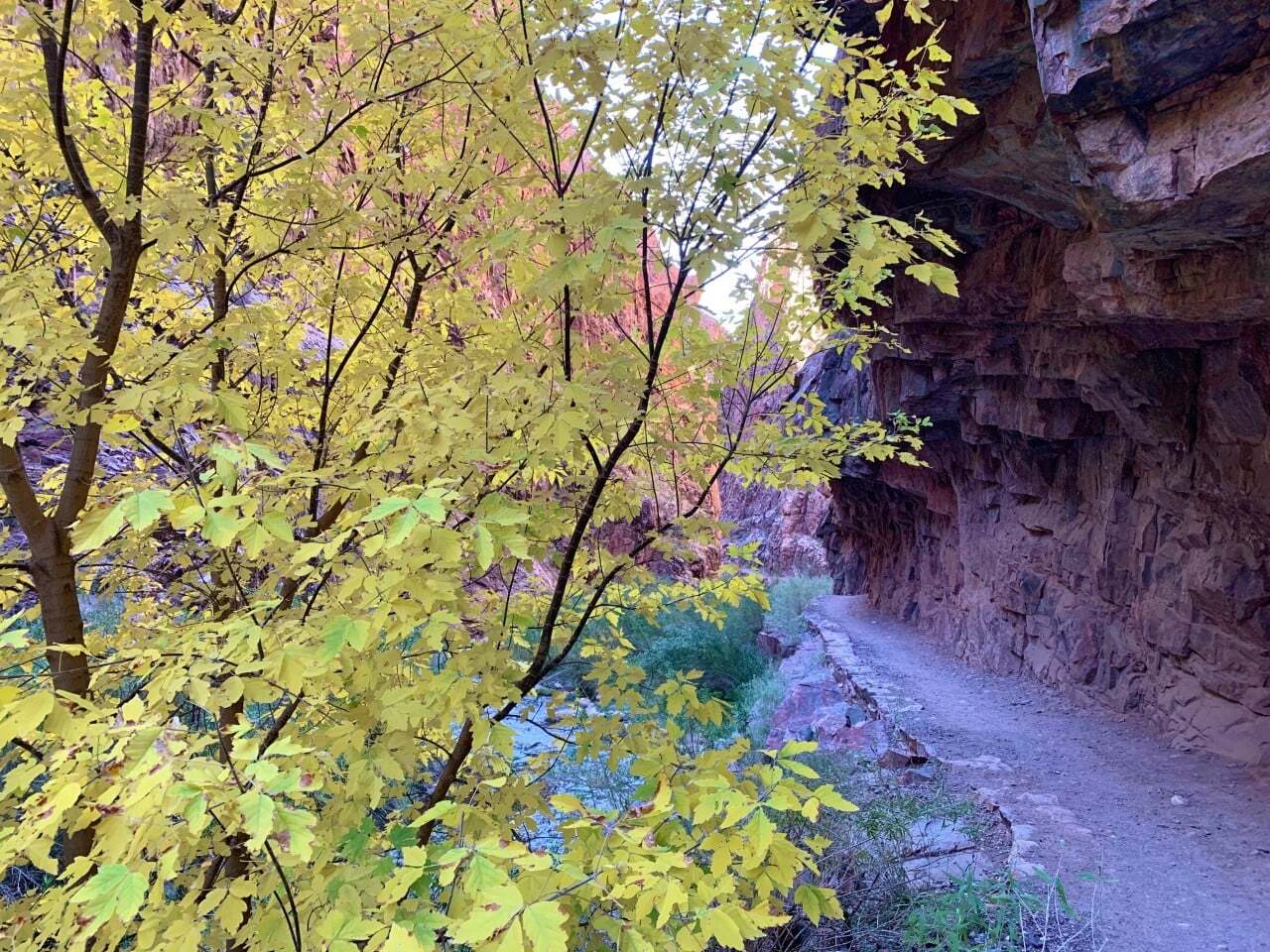
Best Things to Do at Grand Canyon in Fall
1. Hit the Trails During Fall Hiking Season
Fall can offer excellent opportunities to explore Grand Canyon on foot, from relatively easy walks along the rim to more demanding hikes into the canyon.
The key is choosing a trail that matches your fitness, experience, available daylight, and current conditions. Hiking below the rim is significantly more strenuous than walking along it, and temperatures can change dramatically as you descend.
Before heading out, carry adequate food and water, dress for changing conditions, understand your route, and check current trail information.
Explore Grand Canyon Trails & Hiking
Important for 2026: Traditional Rim-to-Rim hiking is not currently possible following the August 29 flash flood. The entire North Kaibab Trail is closed, along with additional portions of major inner-canyon trails and infrastructure. Visitors should not plan a Rim-to-Rim hike this fall and should confirm current National Park Service closures before choosing an alternative route.
2. Experience Grand Canyon's Fall Colors
Grand Canyon's famous rock layers aren't the only source of color in fall.
The forests surrounding the canyon and across the Kaibab Plateau can bring seasonal shades of yellow, gold, and orange to the landscape. Exploring these higher-elevation environments also provides an opportunity to experience ecosystems that can be easy to overlook when focusing solely on the canyon itself.
Bring a camera, explore beyond the most familiar overlooks, and remember that the timing and intensity of fall colors varies each year.
Grand Canyon Conservancy Field Institute also offers seasonal experiences that may focus on fall color, hiking, geology, ecology, history, and culturally significant places. Check current offerings when planning your visit.
3. Explore Grand Canyon With an Expert Guide
Seeing Grand Canyon is one experience. Understanding what you're seeing can make it even more meaningful.
Grand Canyon Conservancy Field Institute offers educational experiences that help visitors explore the park's geology, ecology, history, culture, and extraordinary landscapes alongside knowledgeable instructors and guides.
Depending on the season and current park conditions, experiences may include day tours, hikes, workshops, classes, and other educational programs developed in partnership with Grand Canyon National Park.
Guided experiences can be especially valuable for visitors who want to move beyond the overlooks and develop a deeper understanding of the place they're exploring.
Explore Guided Tours & Experiences
4. Attend a Fall Event or Educational Program
There's more to a Grand Canyon visit than hiking.
Depending on when you arrive, your trip may coincide with educational programs, guided experiences, ranger programs, family activities, astronomy programs, geology talks, workshops, or seasonal events.
Instead of building your trip around a static list, check the current calendar before visiting to see what's happening during your stay.
See What's Happening at Grand Canyon
5. Experience Sunrise and Sunset
Watching light move across Grand Canyon can completely transform the landscape.
Fall's shorter days can also make sunrise and sunset easier to incorporate into a full day of exploring. Consider visiting the rim at different times of day rather than experiencing the canyon only under midday light.
If you're heading out early or staying after sunset, bring warm layers and a light source. Temperatures can drop quickly once the sun disappears.
6. Discover the Stories Behind Grand Canyon
Grand Canyon is much more than a spectacular view.
Its landscape holds stories of geology, wildlife, native plants, human history, and the Indigenous peoples whose connections to this place stretch back countless generations.
Taking time to understand those stories can change the way you experience the canyon. Educational programs, guided experiences, interpretive resources, and conversations with knowledgeable park staff and instructors can help connect the scenery before you with the natural and cultural history that shaped it.
7. Stop by a Grand Canyon Conservancy Park Store
A Grand Canyon Conservancy Park Store can be a useful stop before or after exploring.
Visitors can find maps, trail resources, books, educational materials, and gifts that provide additional context for their time at Grand Canyon.
Purchases also support Grand Canyon Conservancy's work and programs benefiting Grand Canyon National Park.
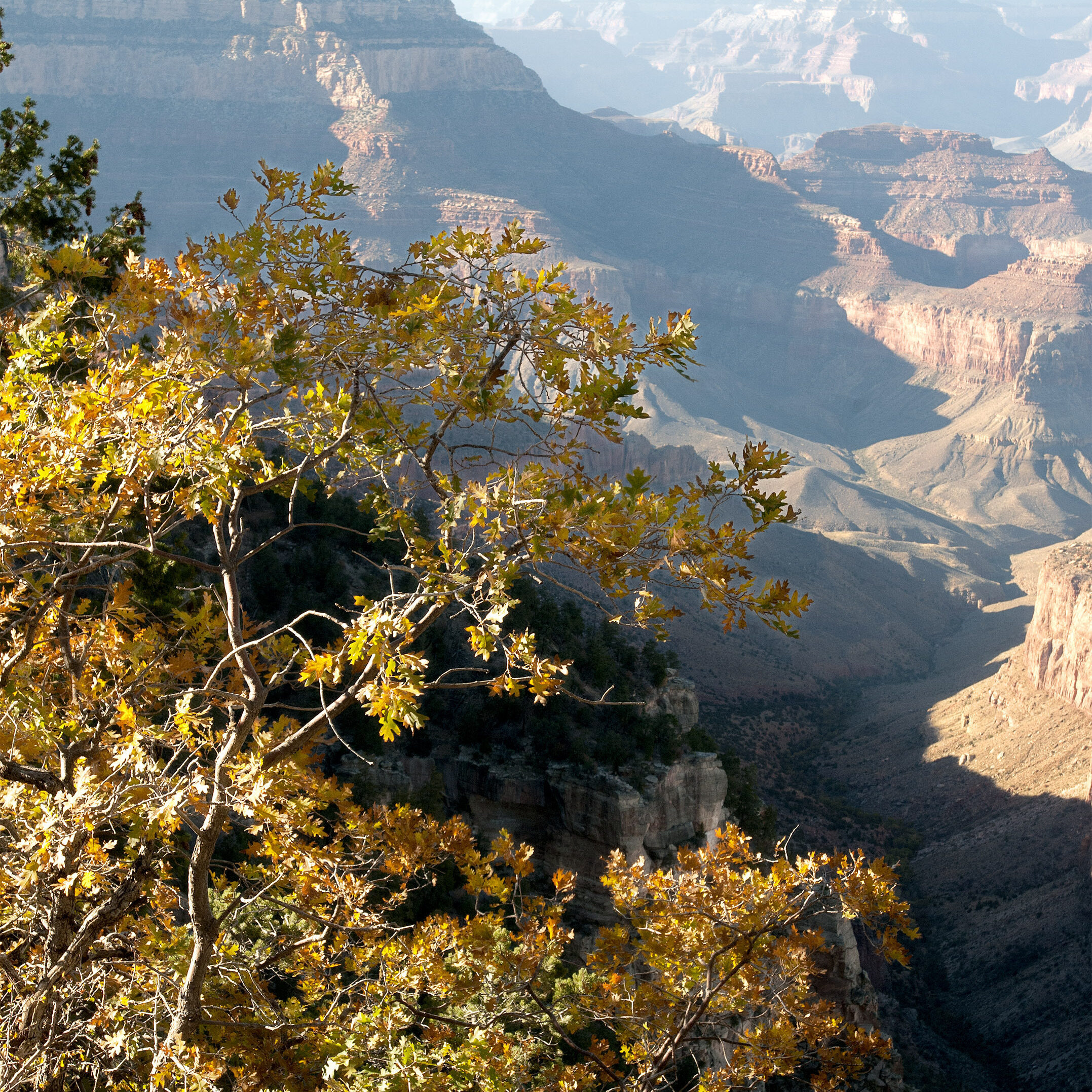
How to Plan a Fall Trip to Grand Canyon
Fall conditions at Grand Canyon can change quickly, so preparation matters. Dress in layers and prepare for significant temperature differences between the rim and inner canyon. Bring adequate water and food for any hike, choose trails appropriate for your fitness and experience level, and account for increasingly short daylight hours as the season progresses.
Water conservation measures may also be in place within the park, particularly when water infrastructure is under strain or undergoing repairs. Bring your own water and a refillable water bottle or hydration system, and check the latest National Park Service updates on water availability and conservation guidance before your visit.
Most importantly, check the current National Park Service weather, trail, road, and operational updates shortly before your visit. Trail closures and seasonal services can change, particularly following storms, flooding, construction, or other events.
For fall 2026, visitors should pay particular attention to inner-canyon closures related to the August 29 flash flood. Grand Canyon National Park remains open, but access to several popular inner-canyon destinations and routes is restricted while recovery and repair work continues.
Reserve lodging, guided experiences, and other activities in advance when required, and build your itinerary around how much time you realistically have to explore.
Make More of Your Fall Visit
Grand Canyon deserves more than a quick stop at an overlook.
Give yourself time to walk a trail, watch the light change across the canyon, learn about the landscape, explore its forests and ecosystems, and discover the stories that make this place unlike anywhere else.
Whether you have a few hours or several days, Grand Canyon Conservancy can help you plan an experience that fits your interests, abilities, budget, and time.
Ready to experience Grand Canyon beyond the overlook?
Frequently Asked Questions About Visiting Grand Canyon in Fall
Is October a good time to visit Grand Canyon?
Yes. October often brings cooler temperatures along the rim, making it a popular time for hiking, photography, and outdoor exploration. Conditions can still vary significantly by elevation, so visitors should check current weather and trail information before their trip.
Where can you see fall colors at Grand Canyon?
Fall colors can be found in forested areas surrounding Grand Canyon, particularly across the higher elevations of the Kaibab Plateau. Aspen and other deciduous trees bring seasonal color to the landscape, although timing and intensity vary each year. Check seasonal access and road conditions before visiting.
Is the North Rim of Grand Canyon open in fall?
North Rim visitor services generally operate seasonally, with many facilities closing in mid-October. Road access depends on weather and park conditions. Visitors should check current National Park Service updates before traveling, especially following the 2026 flash flood and related closures.