Heat Safety Tips for Visiting Grand Canyon National Park This Summer
Planning a summer trip to Grand Canyon? Learn heat safety tips, hiking best practices, and how to prepare for extreme temperatures before your adventure.

Summer is one of the most popular times to visit Grand Canyon National Park, offering long days, clear skies, and unforgettable views. But while temperatures along the rim may feel mild, conditions inside the canyon can become dangerously hot, especially during the afternoon.
Every year, park rangers respond to hikers experiencing heat-related illnesses that could often be prevented with proper planning. Whether you're taking a short walk along the rim or hiking below it, understanding Grand Canyon heat safety is essential for a safe and enjoyable visit.
Grand Canyon Conservancy encourages all visitors to Hike Smart by preparing for extreme heat, staying hydrated, and choosing adventures that match their abilities.
Why Heat at Grand Canyon Can Be Dangerous
One of the biggest misconceptions about hiking Grand Canyon in summer is that the weather at the rim reflects conditions throughout the park. In reality, temperatures increase significantly as you descend into the canyon, often by 15 to 20 degrees (or more) depending on how far you hike.
What feels like a pleasant morning at the South Rim can quickly become triple-digit heat below the rim.
The return trip also catches many hikers by surprise. Since every descent must be followed by a climb back uphill, the most physically demanding part of the hike often comes at the hottest time of day.
Heat illness doesn't discriminate. Visitors of all ages and fitness levels can experience dehydration, heat exhaustion, or heat stroke (altered mental status, confusion, or unusual behavior) if they underestimate the canyon's conditions. Combined with steep trails, elevation changes, and limited shade, summer hiking requires careful preparation.
Know the Hike Smart Principles
The National Park Service encourages visitors to follow its Hike Smart principles before heading onto the trail. These simple guidelines can make a significant difference in your safety.
Before you hike:
- Plan your route and know the difficulty of your chosen trail.
- Carry plenty of water along with electrolyte replacements.
- Eat snacks regularly to replace calories and salts lost through sweating.
- Begin hikes early in the morning or later in the evening when temperatures are cooler.
- Know your physical limits and don't push beyond them.
- Turn around if conditions become unsafe or you begin feeling unwell.
For additional guidance, review the National Park Service's Hike Smart recommendations and Grand Canyon Conservancy's Hike Smart: Arizona Heat Awareness Week article before your visit.
Hiking Conditions & Safety Information
Before your visit, review current hiking conditions and safety information so you can Hike Smart and enjoy Grand Canyon safely.
Current Hiking Conditions and Safety Information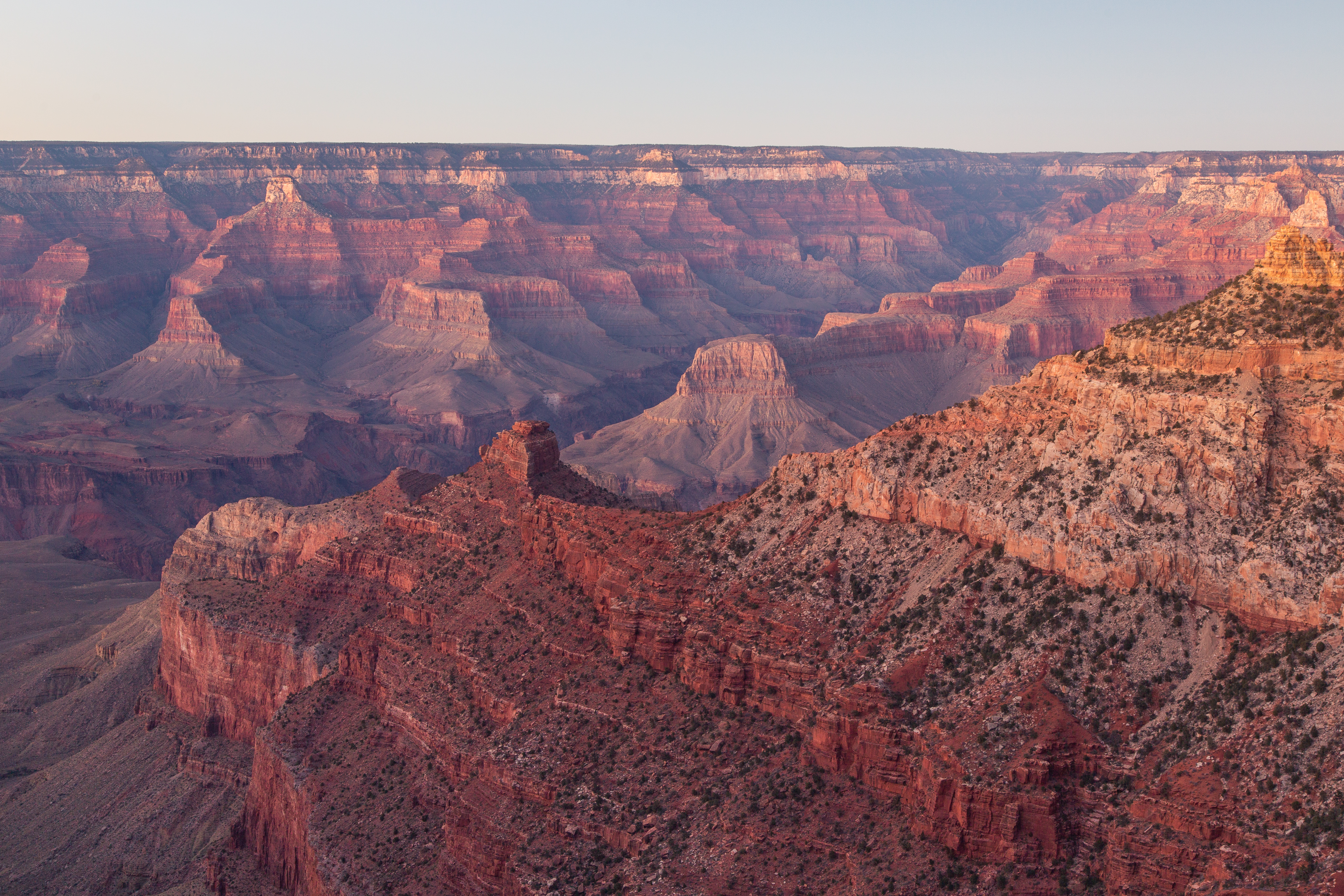
Recognize the Signs of Heat Illness
Understanding the warning signs of heat-related illness can help prevent a minor problem from becoming a life-threatening emergency.
Heat Exhaustion
Symptoms may include:
- Heavy sweating
- Weakness or fatigue
- Dizziness
- Headache
- Nausea
- Muscle cramps
- Cool, clammy skin
If you or someone in your group experiences these symptoms, stop hiking immediately, move to shade if available, cool down, drink fluids, and rest.
Heat Stroke
Heat stroke is a medical emergency. Symptoms include:
- Confusion or unusual behavior
- Loss of consciousness
- Hot, dry skin (or sometimes continued sweating)
- Rapid pulse
- High body temperature
Call for emergency assistance immediately if heat stroke is suspected.
Dehydration
Even mild dehydration can impact your safety. Watch for:
- Excessive thirst
- Dark-colored urine
- Dry mouth
- Fatigue
- Dizziness
By the time you feel thirsty, you may already be dehydrated. Drink water consistently throughout your hike rather than waiting until you're thirsty.
Tips for a Safe Summer Visit
Following a few simple Grand Canyon summer hiking tips can greatly reduce your risk of heat illness.
Before and during your hike:
Start your hike early in the morning.
- Avoid strenuous hiking between 10 a.m. and 4 p.m.
- Wear lightweight, light-colored, moisture-wicking clothing.
- Protect yourself with sunscreen, sunglasses, and a wide-brimmed hat.
- Bring more water than you think you'll need, along with electrolyte drinks or supplements.
- Eat regular snacks to maintain energy.
- Check current trail conditions and weather forecasts before heading out.
- Never underestimate the climb back to the rim.
Remember that turning around can be the smartest decision. Reaching a destination is never worth risking your safety.
Enjoy Grand Canyon Safely This Summer
Summer offers incredible opportunities to experience Grand Canyon National Park, from breathtaking sunrise views to unforgettable hikes and educational programs.
With a little preparation, visitors can safely explore one of the world's most remarkable landscapes while protecting themselves, fellow hikers, and park resources.
No matter how you choose to experience Grand Canyon, following Grand Canyon hiking safety recommendations helps ensure your adventure becomes a lasting memory for all the right reasons.
Final Safety Tips for Grand Canyon Trips During Summer
Grand Canyon's beauty is unforgettable, but so is the power of its desert environment.
By planning ahead, staying hydrated, recognizing the signs of heat illness, and following Hike Smart Grand Canyon guidance, visitors can safely enjoy everything the park has to offer.
Whether you're hiking below the rim, taking in scenic overlooks, or participating in one of Grand Canyon Conservancy's educational programs, thoughtful preparation goes a long way toward creating a safe and memorable visit.
Photo: David Wallace
Ensuring Safety for Grand Canyon Visitors
Learn how GCC supports this critical work.