
Black History at Grand Canyon: Travel, Reflection, and Resistance
Every February, Black History Month invites us to reflect on the stories, struggles, and achievements of African Americans across the United States. At Grand Canyon National Park, Black history is deeply woven into the landscape — from early travel during the Jim Crow era to the labor that shaped the trails millions walk today.
Exploring African American history at Grand Canyon helps us better understand how access to public lands has evolved — and why representation and inclusion in national parks still matter.
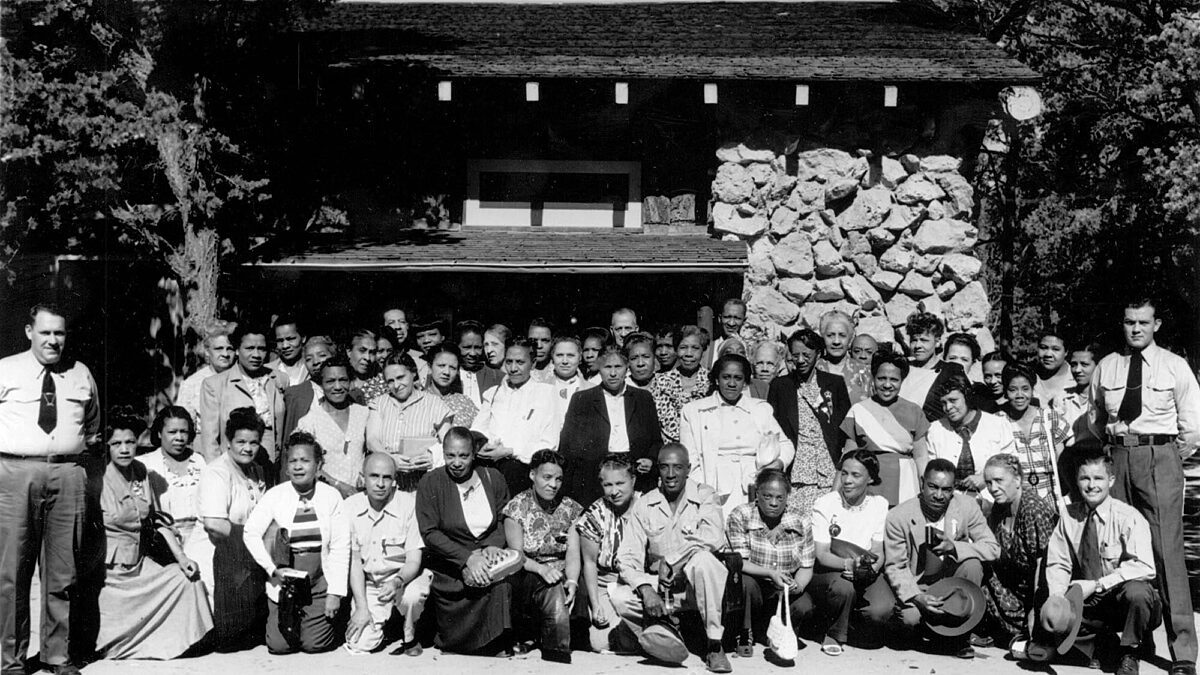
The Green Book and Travel to Grand Canyon
During the Jim Crow era, travel in America was often dangerous for African Americans. Black travelers frequently faced discrimination, denial of service, and even violence when seeking lodging, food, or fuel.
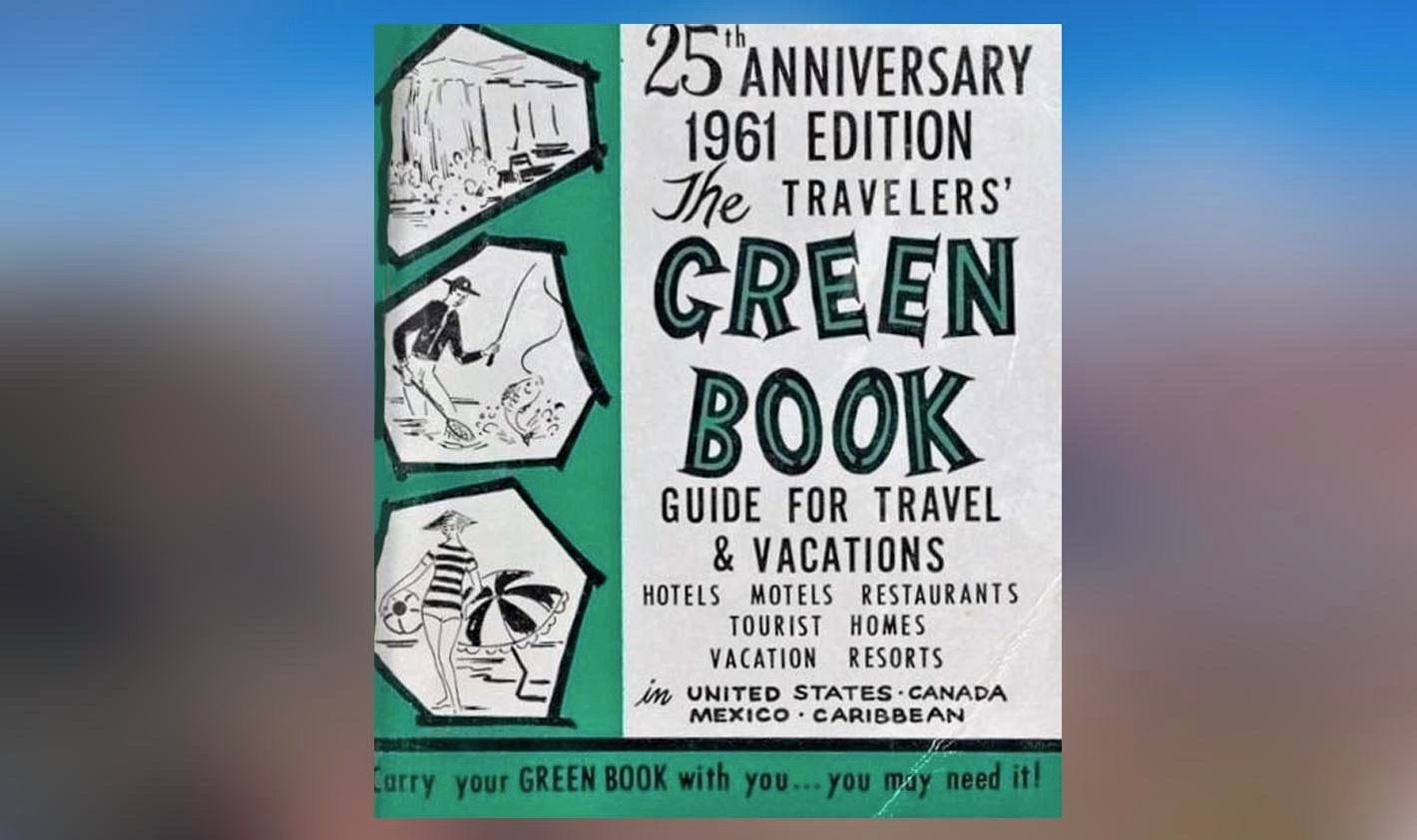
In 1936, Victor Hugo Green, a New York City mailman, published the first edition of the Motorist Green Book — a guide listing businesses that welcomed Black travelers. Published annually from 1936 to 1966, the Green Book became an essential resource for safe travel across the country.
In the 1961 edition of the Green Book, two South Rim properties at Grand Canyon National Park were listed:
- El Tovar Hotel
- Bright Angel Lodge
At the time, both were managed by the Fred Harvey Company.
For African American visitors, inclusion in the Green Book meant safety, dignity, and the ability to experience iconic destinations like Grand Canyon during a time when equal access was far from guaranteed.
W.E.B. Du Bois at the Grand Canyon
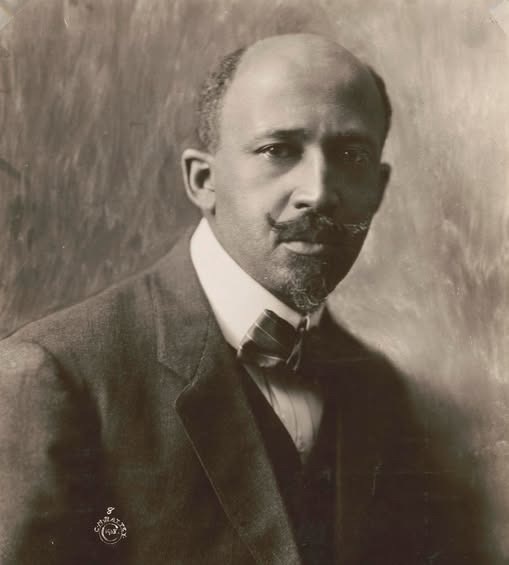
More than 100 years ago, W.E.B. Du Bois — sociologist, civil rights activist, and co-founder of the National Association for the Advancement of Colored People (NAACP) — visited the Grand Canyon.
At a time of deep racial segregation in America, Du Bois stood at the Canyon’s edge and described it as eternal:
“Behold this mauve and purple mocking of time and space… Into that blue shadow, only the eye of God has looked… ‘Before Abraham was, I am.’”
Du Bois wrote extensively about his visit, reflecting on Grand Canyon as a place of profound spiritual and emotional impact.
Today, his reflections contribute to important conversations about diversity in national parks, public land access, and who feels welcome in these spaces. His visit is a powerful reminder that Grand Canyon has long inspired leaders in the fight for civil rights and equity.
The Civilian Conservation Corps and Black History at the Grand Canyon
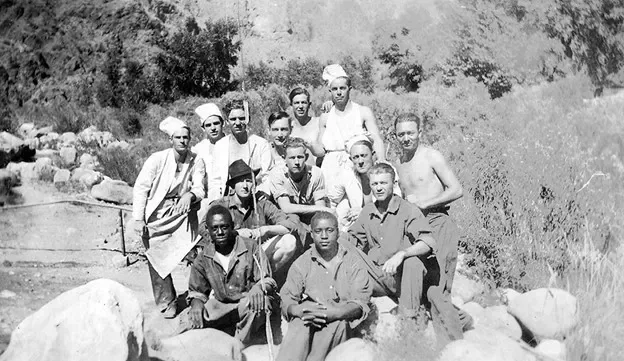
During the Great Depression, many African Americans sought employment through the Civilian Conservation Corps (CCC). The CCC played a significant role in developing infrastructure at national parks, including Grand Canyon National Park, from 1933 to 1942.
Five CCC companies operated at the Canyon.
- Company 819 worked on the South Rim along Bright Angel Trail (1933–1936).
- Company 818 worked seasonally on the North Rim and in the inner canyon during the winter months.
The men of Company 818 worked side by side, maintaining trails and infrastructure. Black, Latino, White, and Native American enrollees labored under harsh conditions to improve access to the park.
However, national policies soon enforced segregation.
In 1935, CCC Director Robert Fechner ordered the “complete segregation of colored and White enrollees,” despite the original law prohibiting discrimination. By 1936, Black enrollees were placed into segregated companies under white officers. Protests followed, and Black Americans were eventually barred from joining the CCC until 1941 — just before the program ended.
The trails visitors hike today were shaped by the labor of African American men who persevered through both economic hardship and systemic discrimination.
Why Black History Month Matters in National Parks
Black History Month at Grand Canyon National Park is more than a commemoration — it is an opportunity to recognize how African American history is embedded in America’s public lands.
From the pages of the Motorist Green Book to W.E.B. Du Bois’ reflections to the labor of CCC companies, Black history is part of Grand Canyon history.
Understanding this history strengthens ongoing conversations about:
- Equity in outdoor recreation
- Representation in national parks
- Inclusive access to public lands
- Preserving diverse historical narratives
By learning the full history of Grand Canyon — not only the easy stories but the complex ones — we become better stewards of these landscapes and better neighbors in our communities.
Learn More
Interested in learning more about Black History at Grand Canyon and the surrounding area? Click on the links below.
Photos: W.E.B. (William Edward Burghardt) Du Bois in 1918 by C. M. Battey, photographer - Library of Congress Catalog & Grand Canyon Museum Collection