
Grand Canyon Conservancy 2025 Year in Review
2025 was a year defined by both challenge and momentum. Wildfire, the longest government shutdown in federal history, and staffing constraints tested Grand Canyon, yet meaningful progress continued across conservation, education, science, and cultural programs. Throughout the year, Grand Canyon Conservancy remained a steady partner, supporting the work that protects the canyon today and for generations to come.
Intro: A Year of Impact, Resilience and Measurable Progress
2025 was a year defined by both challenge and momentum. Wildfire, the longest government shutdown in federal history, and staffing constraints tested Grand Canyon, yet meaningful progress continued across conservation, education, science, and cultural programs. Throughout the year, Grand Canyon Conservancy remained a steady partner, supporting the work that protects the canyon today and for generations to come.
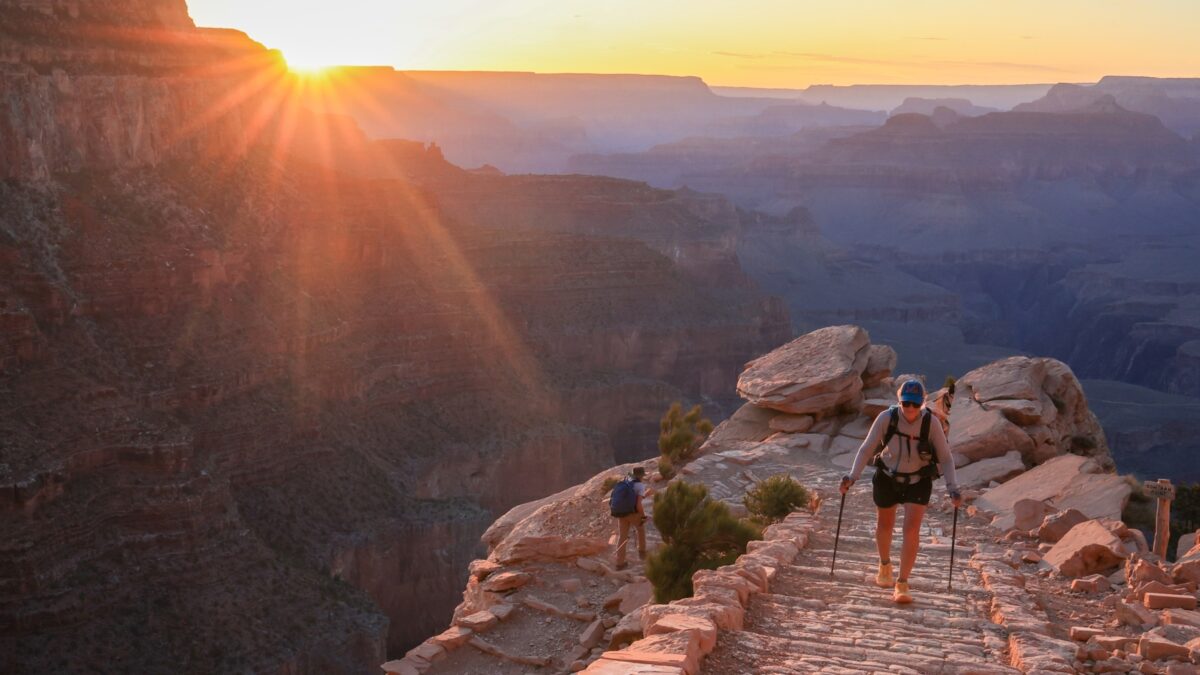
Donor support helped maintain a constant on-the-ground presence, especially through Preventive Search and Rescue efforts that focus on education and early intervention. In 2025, trail patrol teams logged 2,583 hours, assisted 444 hikers, made 97,749 general contacts, and took 18,400 preventive actions to help visitors make safer choices before emergencies occurred.
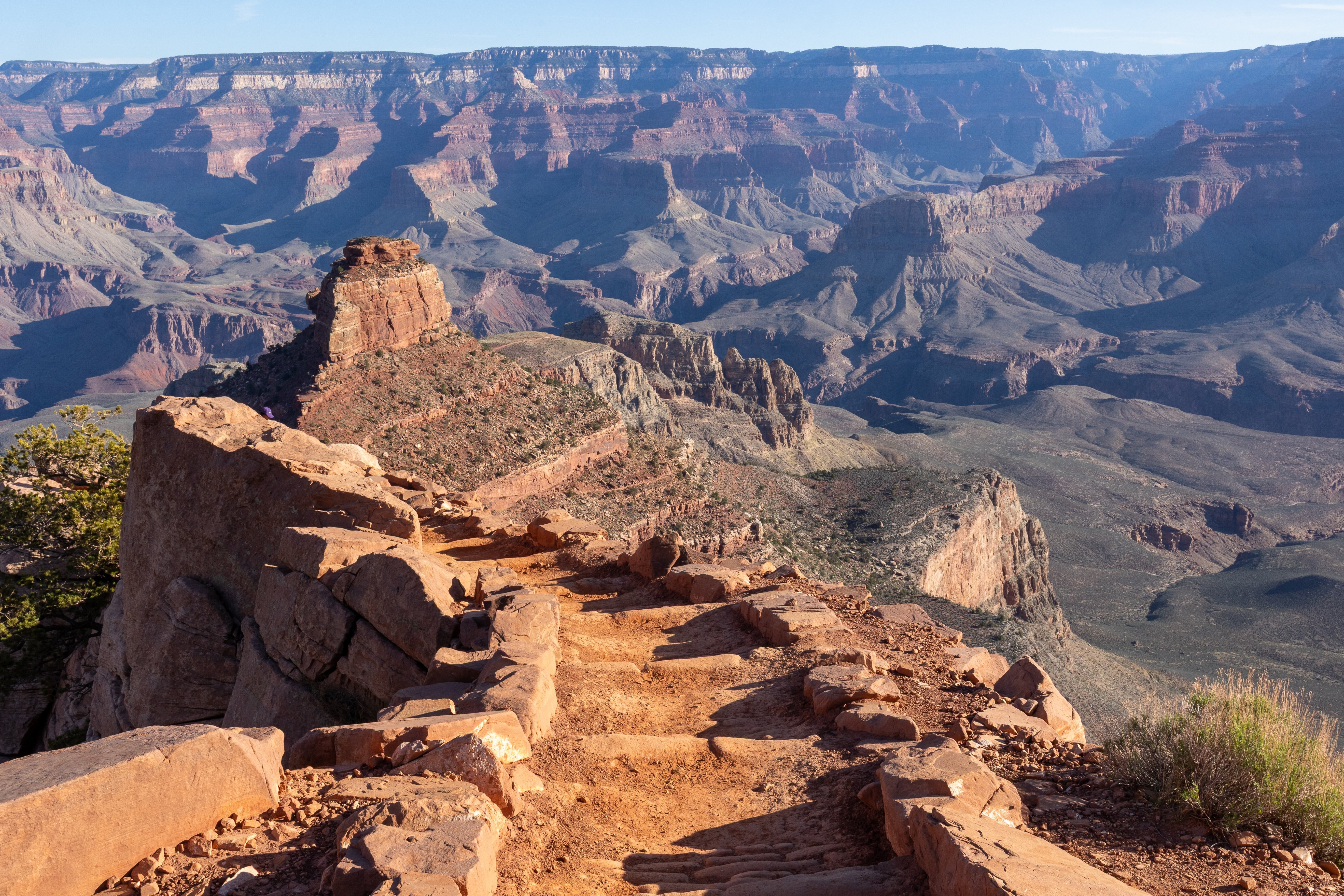
Support also advanced critical trail work. A washed-out section of the Bright Angel Trail that had become impassable, even for stock, was repaired. Work began on Bright Angel Point Trail in May but paused due to wildfire activity, with plans to reopen in summer 2026. Along the rim, log benches funded by Grand Canyon Conservancy were built to support ranger talks and provide welcoming spaces for visitors.
This year in review highlights what donor support made possible in 2025, from public programs like stargazing and cultural demonstrations to behind-the-scenes research, safety efforts, and infrastructure improvements. Together, these efforts reflect a shared commitment to stewardship and the constant presence required to protect the canyon, day and night.
Photo: GCC L/Cisneros
Protecting the Canyon Day and Night
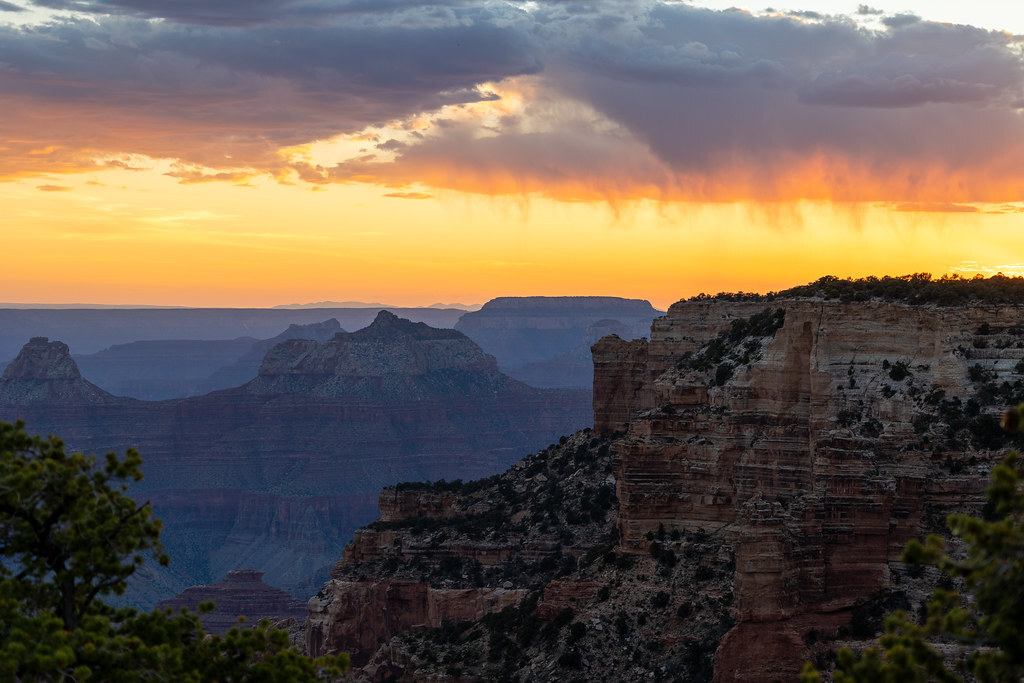
Stewardship at Grand Canyon is both visible and unseen. It lives in the experiences visitors carry home and in the technical, often unseen work that protects ecosystems, water sources, wildlife, and cultural connections.
As the official nonprofit partner of Grand Canyon National Park, Grand Canyon Conservancy supports long-term programs that extend beyond what public funding alone can sustain. In 2025, that support spanned across preserving dark skies, scientific research, youth education, Indigenous cultural programs, and arts initiatives that deepen connections to the canyon.
Each investment reflects a shared responsibility to care for this place not just as a destination, but as a living landscape with ecological, cultural, and historical significance.
Stewardship at Grand Canyon is rooted in care, collaboration, and long-term commitment.
Dark Skies by the Numbers
Natural darkness is one of Grand Canyon’s most remarkable and increasingly rare resources. Since becoming an International Dark Sky Park in 2019, the park has made steady progress toward reducing light pollution and preserving night skies for wildlife, visitors and future generations.
In 2025, the Dark Skies Program hosted 250 astronomy programs, reaching 73,080 visitors. These programs were supported by 178 volunteers who contributed 6,103 hours of service.
Infrastructure upgrades played a major role in this progress. A total of 207 light fixtures were replaced across the park, including community spaces such as the Grand Canyon School basketball court, museums, administrative buildings, and visitor areas.
As of October 2025, 95% of all park lights are now dark-sky compliant, representing a 4% increase over 2024 and achieving this milestone four years ahead of the 2029 deadline.
Collaboration also extended beyond park boundaries through partnerships with surrounding communities to reduce external light pollution. Remaining efforts in 2026 will focus on Desert View and the final Grand Canyon Village lighting fixtures.
Photo: GCC L/Cisneros
Grand Canyon Star Party: The Largest Star Party in the United States
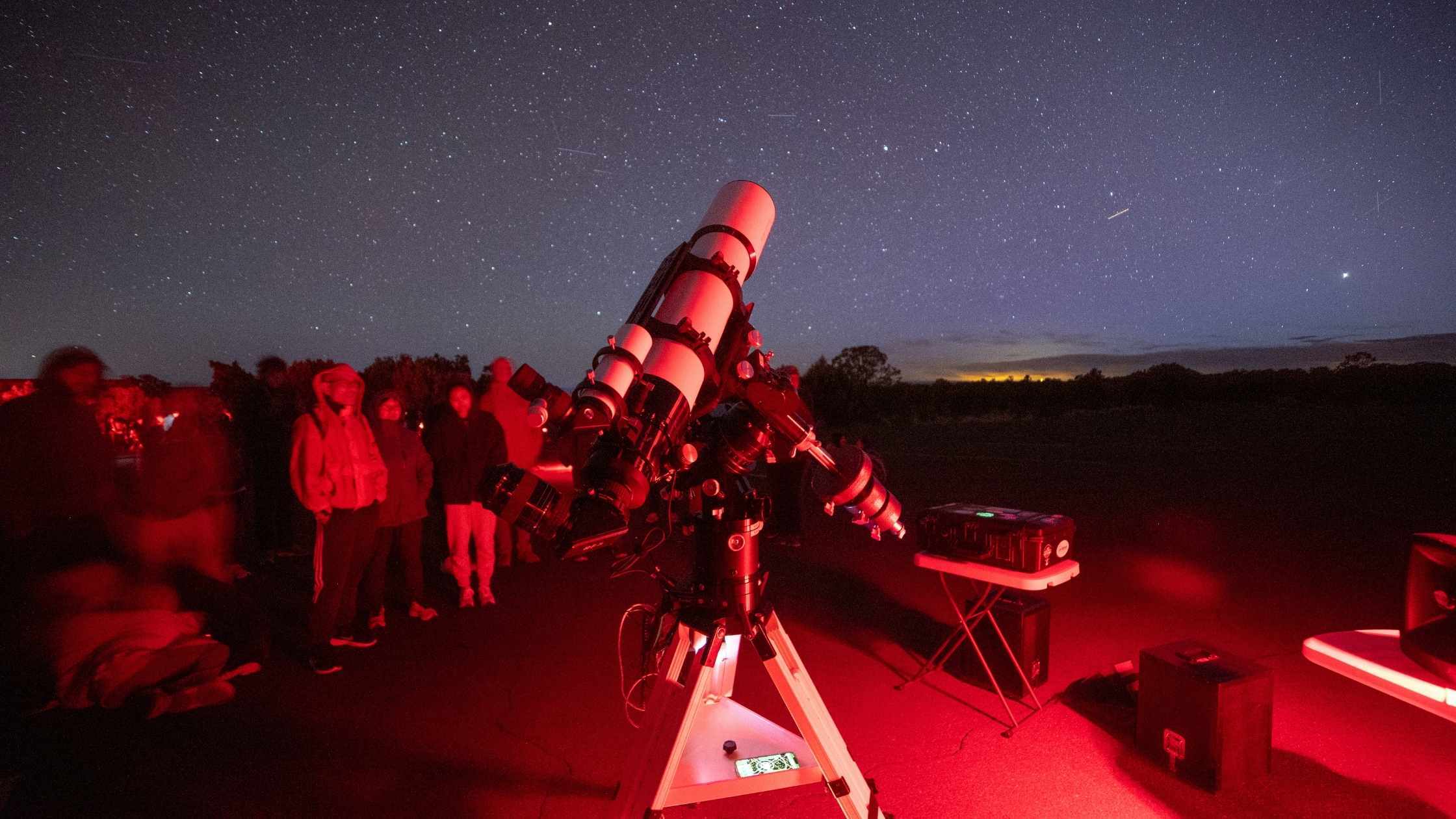
Each summer, Grand Canyon Star Party brings science, culture, and community together under the night sky. In 2025, the 35th Annual Grand Canyon Star Party welcomed 9,616 visitors over eight nights in June.
This year marked record participation, with 162 volunteer astronomers and an average of 77 telescopes in use each night. Visitors experienced 108,861 telescope views across the event.
Programming included constellation talks, cultural astronomy, theater presentations, and guest speakers from Lowell Observatory and Astronomy magazine.
“If you can get to the Grand Canyon Star Party in the future, I heartily encourage you to do so. You will have a wonderful and very memorable experience.” — David J. Eicher, Astronomy magazine
Video by GCC: L/Cisneros

Astronomer in Residence & Night Sky Education
The Astronomer in Residence Program transforms moments of wonder into deeper understanding by pairing scientific research with public education. In 2025, three Astronomers in Residence delivered 56 programs to more than 7,500 participants, including 101 students from Grand Canyon School.
Programs ranged from solar viewing and constellation talks to full moon gatherings and classroom visits. In addition, astronomer Stephen Hummel conducted the most comprehensive night-sky quality study at the park since 2015, providing data that helps guide leadership decisions related to mitigating light pollution.
Photo by: John Burcham

Science in Action
Conservation Guided by Data, Not Guesswork
Scientific research underpins every responsible management decision at Grand Canyon National Park. In 2025, donor support ensured this work continued despite environmental and logistical challenges.
Wildlife Research & Conservation K-9
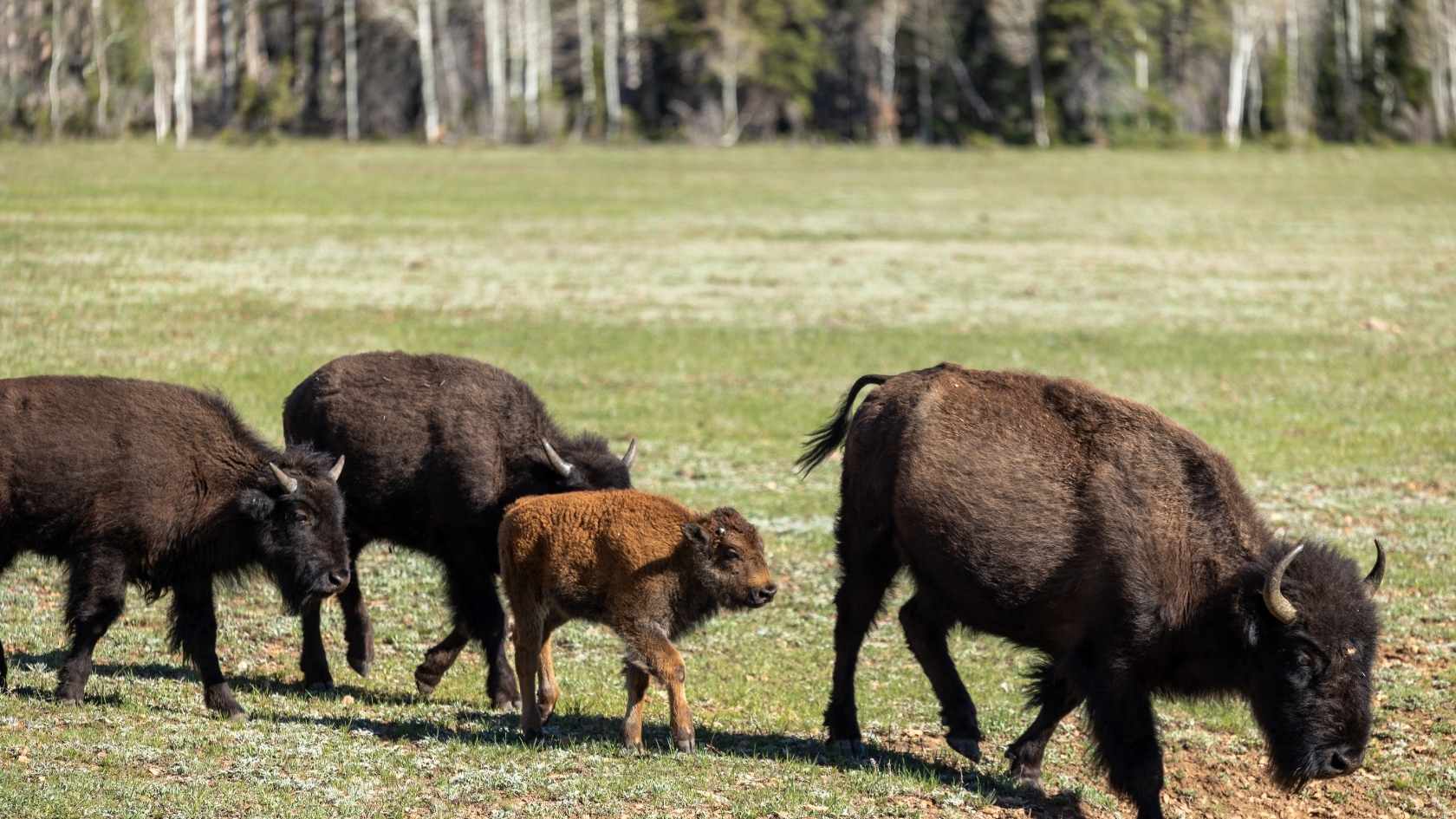
In 2025, Grand Canyon Conservancy continued important wildlife monitoring work focused on reducing human and wildlife conflict and improving safety in busy areas of the park. During field operations on the North Rim, teams were also able to recover 11 bison GPS collars, saving more than one million data points that show how bison move and use the landscape. This information will support long term wildlife management and research.
To prepare for the next phase of the Conservation K-9 Program, new GPS collars were placed on nine elk in Grand Canyon Village and five bighorn sheep along the Bright Angel and Rim Trails. This data creates a clear baseline before K-9 Blue begins active fieldwork, making it possible to measure how wildlife behavior changes over time. In 2025, Blue completed more than 25 training sessions and 10 aversive conditioning treatments. The program is designed to keep wildlife away from crowded areas, reduce dangerous encounters, and make the park safer for visitors, staff, and animals. With this groundwork in place, the Conservancy is ready to see Blue get to work in 2026.
Photo: GCC L/Cisneros
Hydrology & Water Protection
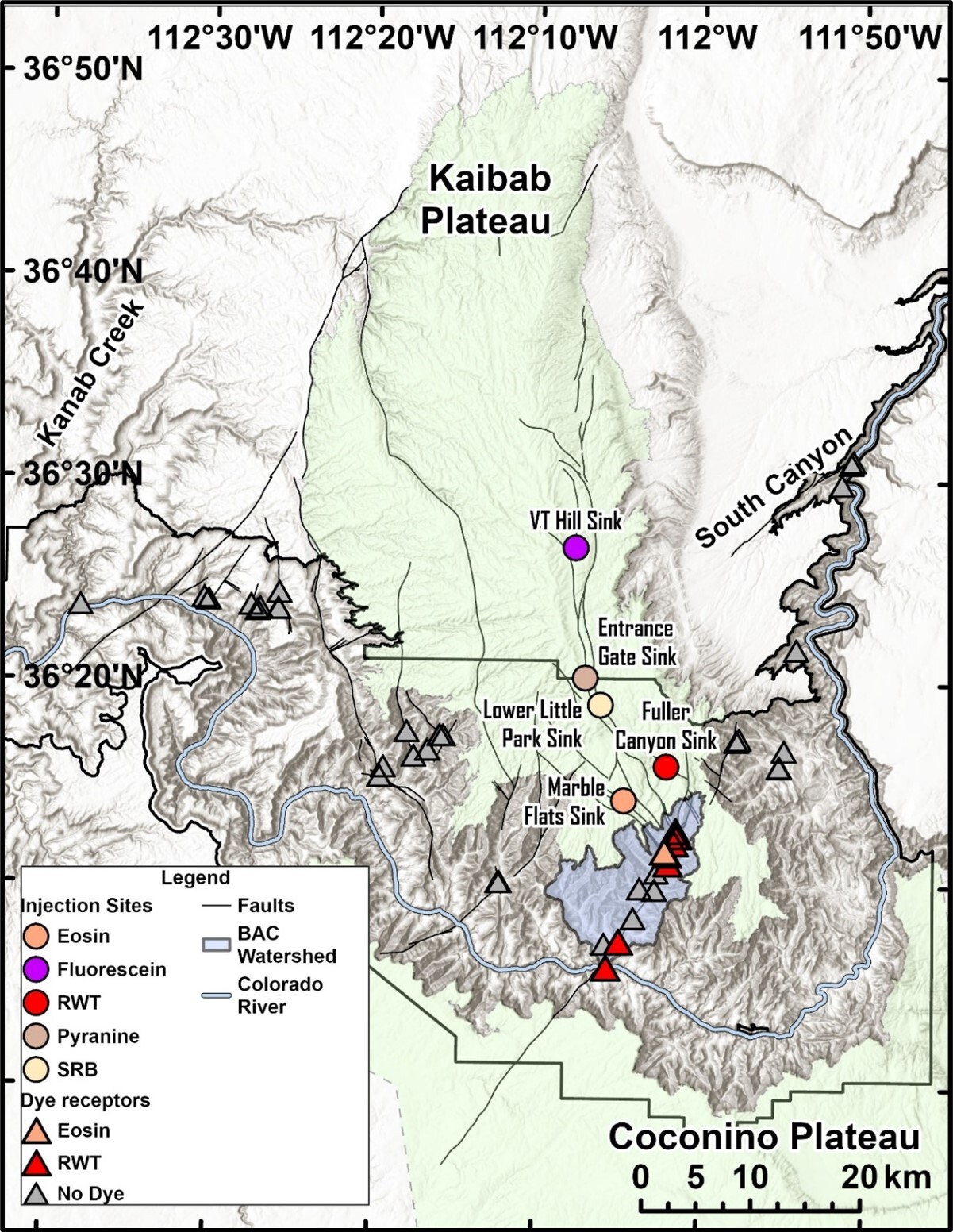
Protecting water resources is essential to the canyon’s long-term health. In 2025, the Hydrology Program completed the second round of the North Rim Dye Trace Study, the largest of its kind in North America.
Dyes were injected into two sinkholes, while 43 springs and stream sites were monitored over a two-year period. This work accounted for 858 staff field days and is already improving understanding of groundwater flow, drinking water protection, and wildfire impacts. Understanding where water flows today helps protect the canyon tomorrow.
Paleontology: Unearthing Deep Time
Scientific discovery at Grand Canyon continues to reshape understanding of the region’s history. In 2025, Grand Canyon Conservancy supported research that led to the discovery of new fossil species, the first Arizona record of a jawed-fish tooth, and a new trilobite species. Each discovery adds a new chapter to the canyon’s deep history.
Ongoing research on early tetrapod trackways and Permian ecosystems further underscores the canyon’s global scientific significance, even amid staffing challenges.
Indigenous Cultural Programs: Honoring the People of the Canyon
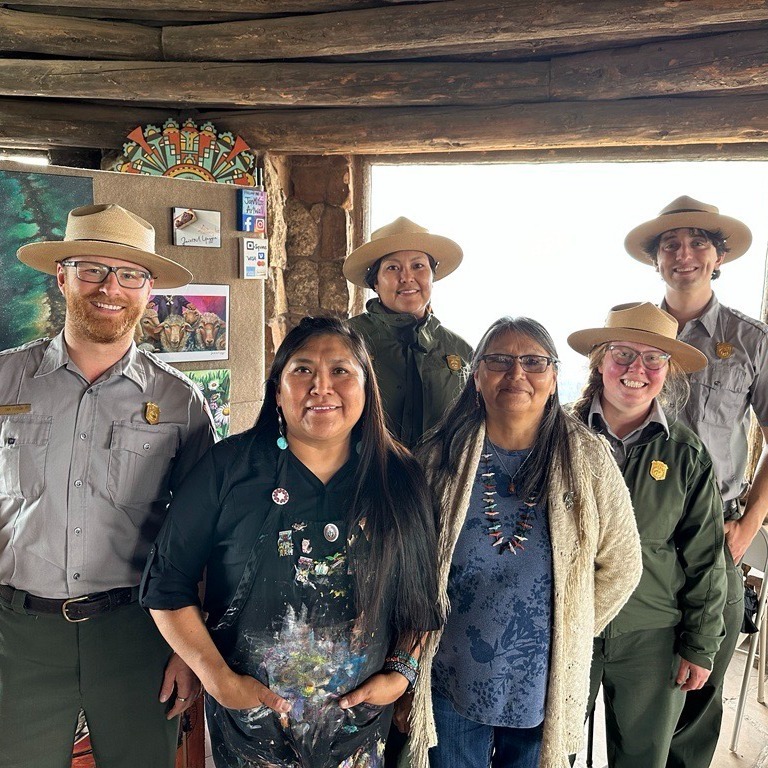
Protecting Grand Canyon also means honoring the people whose histories and cultures are inseparable from this place. In 2025, Indigenous cultural programs reached 4,757 visitors through 22 programs over 27 days, representing six tribes. In addition, cultural demonstrations took place over 265 days and featured 107 demonstrators from six of the eleven tribes traditionally associated: Hopi, San Juan Southern Paiute, Zuni, Diné, Yavapai-Apache, and Hualapai.
Through donor support, $21,840 was distributed directly to tribal artists, supporting honoraria, travel, and participation. Programs elevated tribal voices through music, dance, storytelling, and film shared directly by cultural knowledge holders.
Education & Youth Access
Education shapes the next generation of stewards. In 2025, 42 ranger-led field trips connected more than 1,000 students to the canyon, with 80% of participating schools classified as Title I.
Conservancy-funded transportation helped remove barriers to participation, while 4,345 students and families engaged through the Junior Ranger program and distance learning opportunities.
Art, Storytelling, and Creative Connection
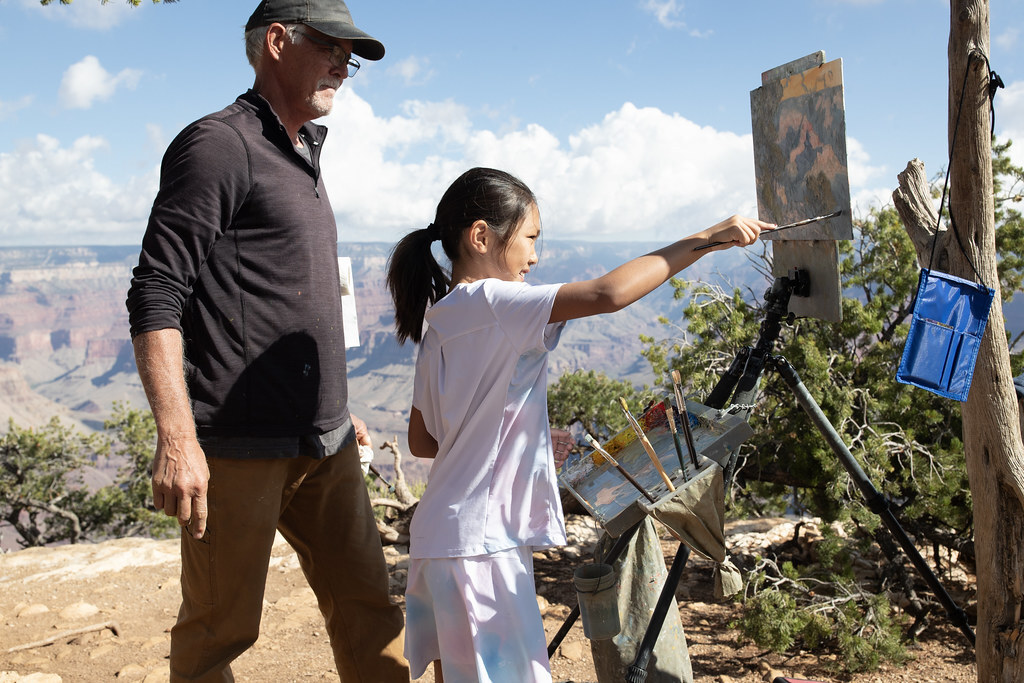
Art offers new ways to see and understand the canyon. In 2025, four Artists in Residence delivered 28 public programs, reaching nearly 8,000 visitors.
The 17th Annual Celebration of Art featured 22 artists across various mediums, while the Grand Canyon Speaks podcast shared 20 episodes amplifying the voices of Indigenous and community members.
Photo: John Segesta
Looking Ahead to 2026
The progress made in 2025 reflects what is possible through sustained partnership and shared commitment. Looking ahead, priorities include completing the final steps toward full dark sky compliance, expanding science monitoring efforts, and continuing collaborative cultural and educational programs.
Photo: GCC L/Cisneros
Grand Canyon Conservancy is grateful for the community of supporters who make this work possible.
Together, we protect the canyon day and night.
Every act of support, time, advocacy, or resources helps protect, connect, and care for this place for generations to come.
Support Grand Canyon: https://www.grandcanyon.org/ways-to-give/