Cultural Demonstration Program
The Cultural Demonstration Program at Grand Canyon connects visitors with Indigenous artists and cultural practitioners through live demonstrations and education.

Grand Canyon is not only a place of extraordinary natural beauty. It is also a sacred homeland and place of ongoing connection for many Indigenous tribes whose relationships to this land span countless generations. Today, Grand Canyon remains a living cultural landscape where history, tradition, and contemporary Indigenous life continue side by side.
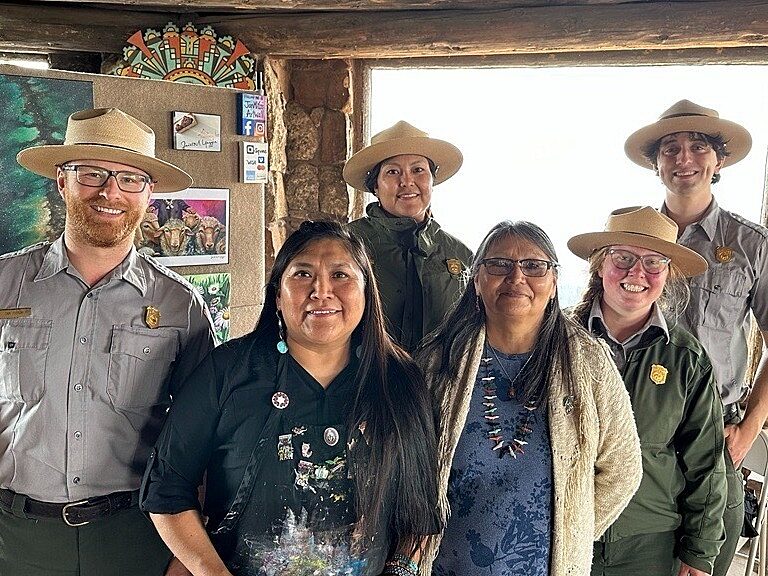
The Cultural Demonstration Program creates opportunities for visitors to engage directly with Indigenous artists, cultural practitioners, and knowledge holders through live demonstrations, performances, storytelling, and educational presentations. These experiences allow tribal voices to be heard firsthand and reinforce that Indigenous cultures connected to Grand Canyon are living, evolving, and deeply rooted in place.
Jointly hosted with Grand Canyon National Park, the Cultural Demonstration Program was created so park visitors may learn about the long history and rich cultures of the canyon's traditionally associated tribes directly from the artisans and community members of those tribes. As such, the Park and the Conservancy comply with the Indian Arts and Craft Act of 1990, ensuring that every art and craft product is marketed truthfully to consumers regarding the Indian heritage and tribal affiliation of the producer.
The program is made possible with support and grants from Grand Canyon Conservancy as part of a broader commitment to education, stewardship, and honoring Indigenous knowledge.
Support Indigenous Programs
At Grand Canyon Conservancy, we believe in honoring the enduring Indigenous histories and cultures that have shaped this landscape for millennia. Through respectful and creative partnerships, we support initiatives that protect sacred sites, uplift Indigenous knowledge, and ensure tribal voices play a vital role in shaping the future of the canyon.
Donate
Explore Demonstrators by Craft
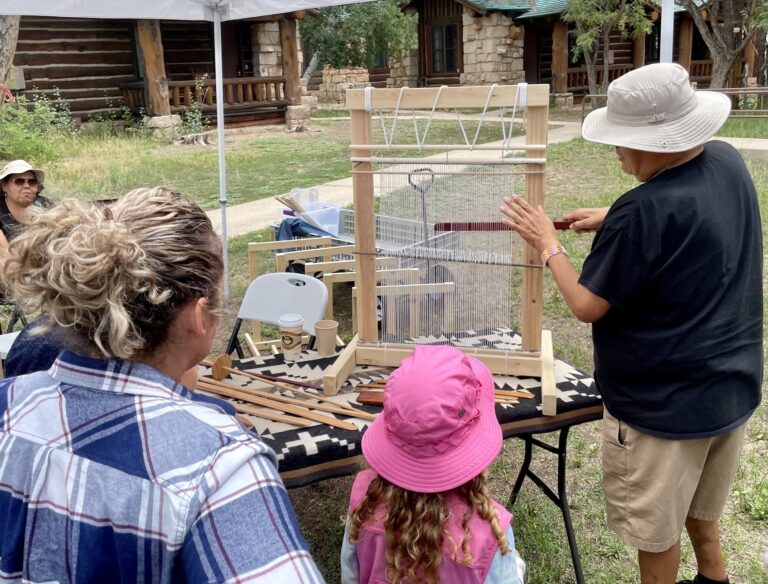
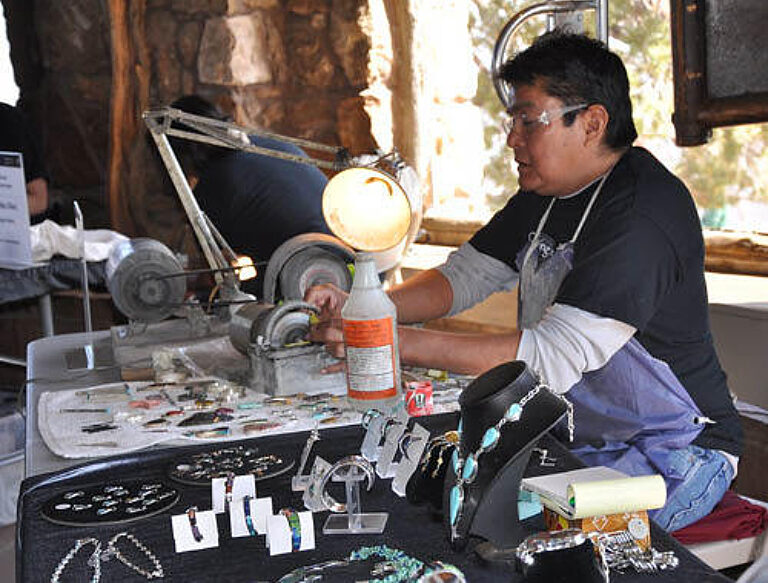
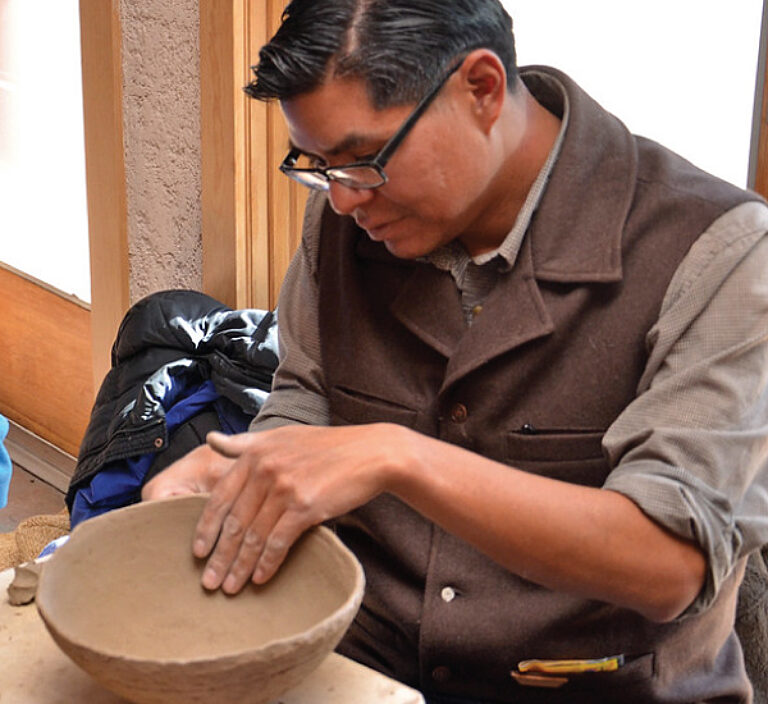
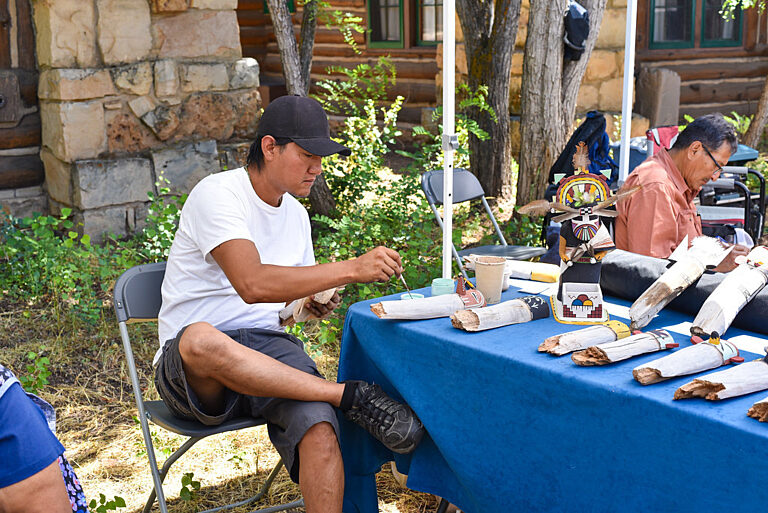
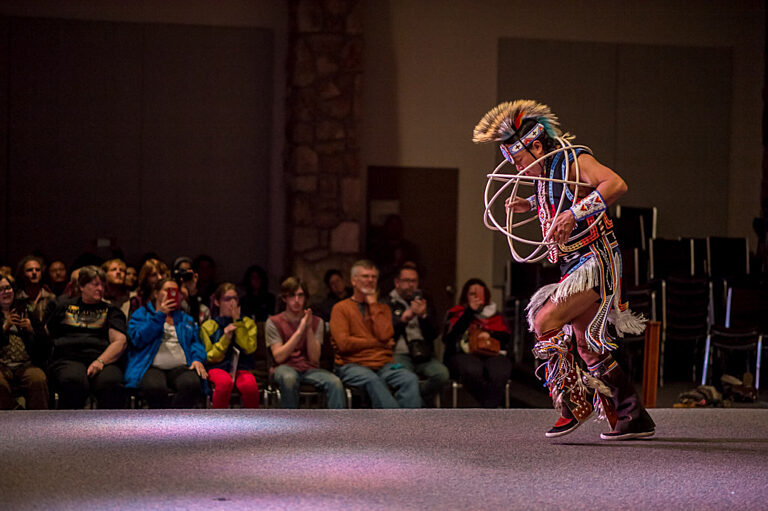
Explore the online gallery by craft below to learn more about the inspiring artists that participate in the Cultural Demonstration Program and History Behind the Arts program.
Why Cultural Demonstrations Matter
Grand Canyon is a place shaped by both nature and people. For many Indigenous communities, it is home, a sanctuary, and a source of cultural identity.
Cultural Demonstrations:
- Center Indigenous voices and lived experience
- Share traditional knowledge, art forms, and practices
- Foster understanding and respect among visitors
- Reinforce that Indigenous cultures are active and enduring
By learning directly from cultural practitioners, visitors gain a deeper and more accurate understanding of Grand Canyon as a place of cultural continuity, not just a scenic destination.
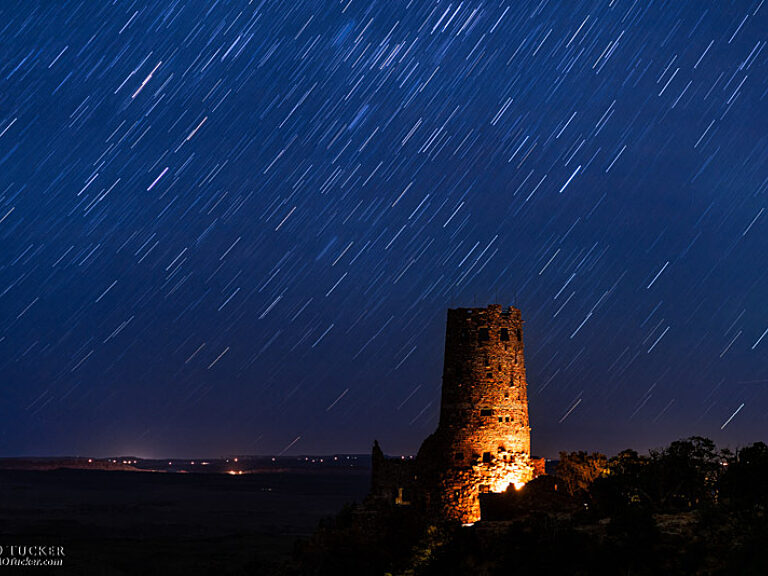
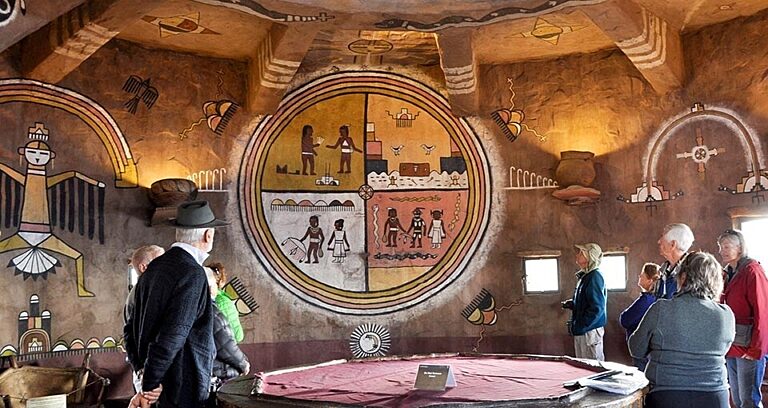
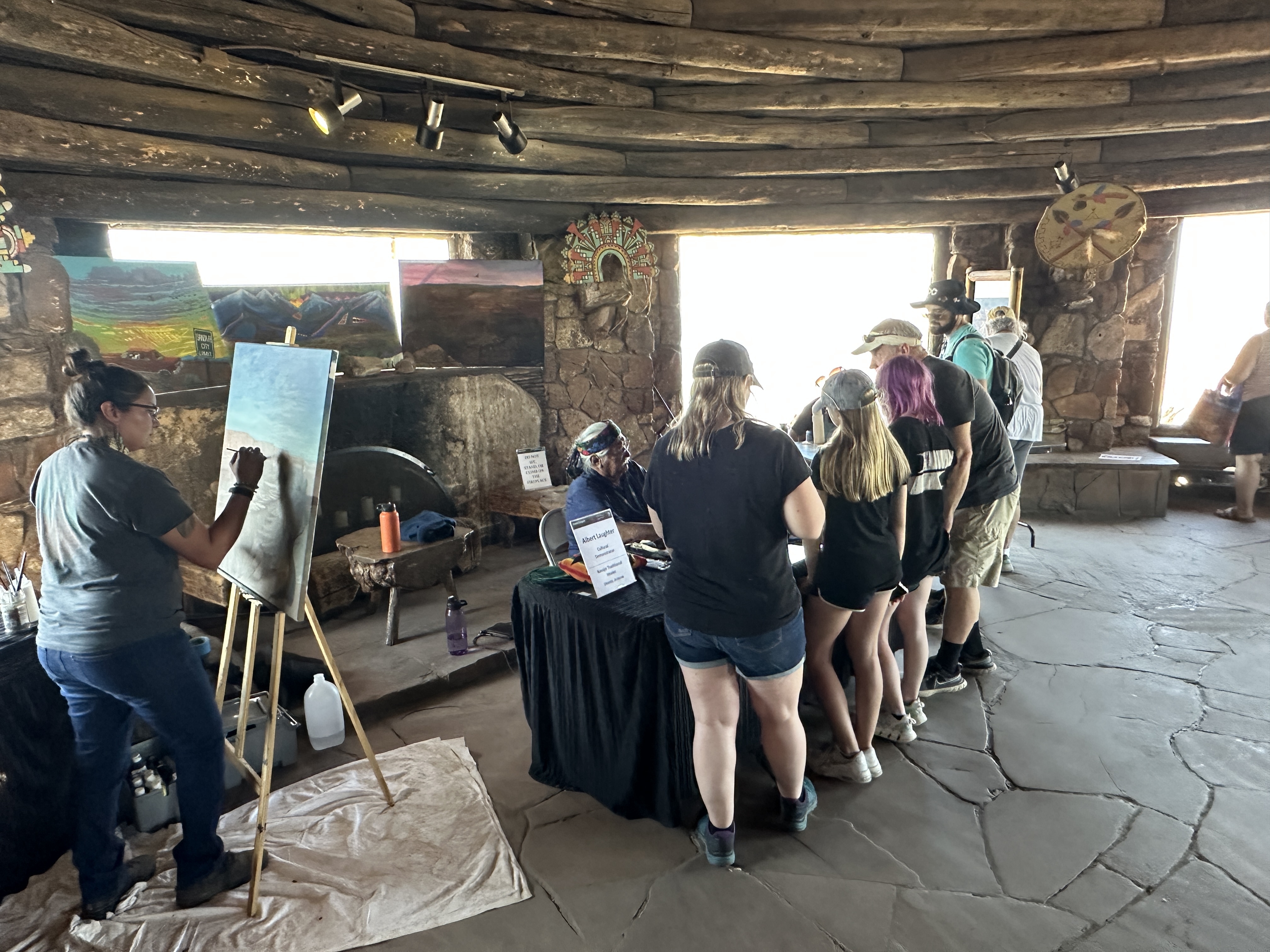
Demonstrations are free and open to the public and take place at various locations, most often in and around Desert View Watchtower. For more information on the Cultural Demonstration Program, visit the park's website.
How the Cultural Demonstration Program Works
Established at Desert View in 2015, the Cultural Demonstration Program is jointly hosted by Grand Canyon National Park and Grand Canyon Conservancy. The program features scheduled, in person demonstrations and presentations led by members of the eleven tribes traditionally associated with Grand Canyon.
Demonstrations may include:
- Traditional arts and crafts
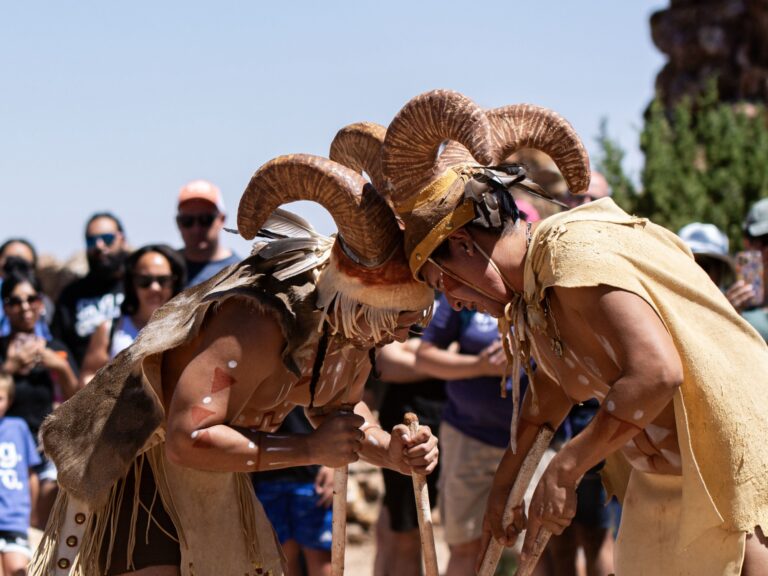
- Music, dance, and performance
- Storytelling and interpretive conversations
- Film and visual presentations
All demonstrations are designed to be accessible, educational, and respectful, creating meaningful connections between visitors and cultural practitioners in a public, welcoming setting.

2025 Project Updates
With support from Grand Canyon Conservancy funding, 2025 marked a significant expansion of Indigenous cultural programming at Grand Canyon.
Between March and September 2025:
- 22 Indigenous programs were presented
- 4,757 visitors were reached in just 27 days of programming
- 14 performances and 8 educational presentations were delivered
- Six tribes were represented, including Diné (Navajo), Havasupai, Hualapai, Hopi, Zuni, and White Mountain Apache
Programs were offered at multiple locations throughout the park, maximizing accessibility and reach. Visitors experienced authentic cultural expression through dance, music, storytelling, and film, learning directly from the knowledge holders themselves.
This was the first year that Indigenous performances and presentations were fully planned in advance with tribal partners. By February, all demonstration slots for the remainder of the year were filled, reflecting strong trust, interest, and collaboration with tribal communities.
What Donor Support Made Possible in 2025
Grand Canyon Conservancy distributed $21,840 in direct funding to support Indigenous artists and cultural practitioners. This funding helped cover honoraria, travel, and participation costs, ensuring that programs were accessible and professionally supported.
Additional GCC support allowed the program to adapt to challenges such as wildfire impacts, lodging changes, and a federal government shutdown. Even under difficult conditions, Indigenous presence and cultural education at the park remained strong and visible.
Many artists shared that these programs enabled them to return to their ancestral homelands at Grand Canyon, sometimes for the first time, in a setting that was culturally respectful and community-informed.
Ongoing Impact and Future Focus
The Cultural Demonstration Program remains a vital part of education and interpretation at Grand Canyon.
Looking ahead, priorities include:
- Continuing support for Indigenous artists and cultural practitioners
- Expanding opportunities for cultural education and engagement
- Ensuring programming remains authentic, respectful, and led by tribal communities
- Strengthening long term relationships between the park and tribal nations
These efforts help ensure that cultural education remains an essential and visible part of the visitor experience.
How Grand Canyon Conservancy Supports the Program
Grand Canyon Conservancy provides philanthropic support that helps sustain the Cultural Demonstration Program, including:
- Direct support for participating cultural practitioners
- Public education and outreach
- Long term partnership building with tribal communities
This support ensures that Indigenous voices, traditions, and knowledge remain present and valued at Grand Canyon.
How You Can Support Cultural Education
You can support the Cultural Demonstration Program by:
- Attending cultural demonstrations during your visit
- Learning Indigenous perspectives through podcasts or literature
- Supporting Grand Canyon Conservancy through donations or membership
- Staying engaged with cultural education initiatives
- Subscribe to our YouTube channel to view the History Behind the Arts series that explores the rich history of these people, their traditional native crafts, and the artists who carry on this heritage
Your support helps ensure that Grand Canyon is interpreted not only through its landscapes, but through the living cultures that call it home.
Frequently Asked Questions
Who participates in the Cultural Demonstration Program?
Indigenous artists and cultural practitioners with deep connections to Grand Canyon participate in the program.
Are demonstrations educational?
Yes. Demonstrations are designed to share knowledge, traditions, and cultural context with visitors.
When do demonstrations take place?
Demonstration schedules vary seasonally and are offered during peak visitation periods.
Why is this program important?
The program supports cultural preservation, education, and respectful engagement with living cultures.
Note: Cultural Demonstrators are independent participants in the program and are not employees of the National Park Service or Grand Canyon Conservancy. The Park and the Conservancy are not party to any purchase or agreement made between producers and consumers. The Park and the Conservancy disclaim all liability for loss, damage (whether direct, indirect, or consequential), personal injury or expense of any nature whatsoever, from any transaction or purchase from Cultural Demonstrators through this site. The Park and the Conservancy offer no warranty for sales, shipping, or other agreements.
Contact us to receive more information about this project.
GCC Philanthropy Team