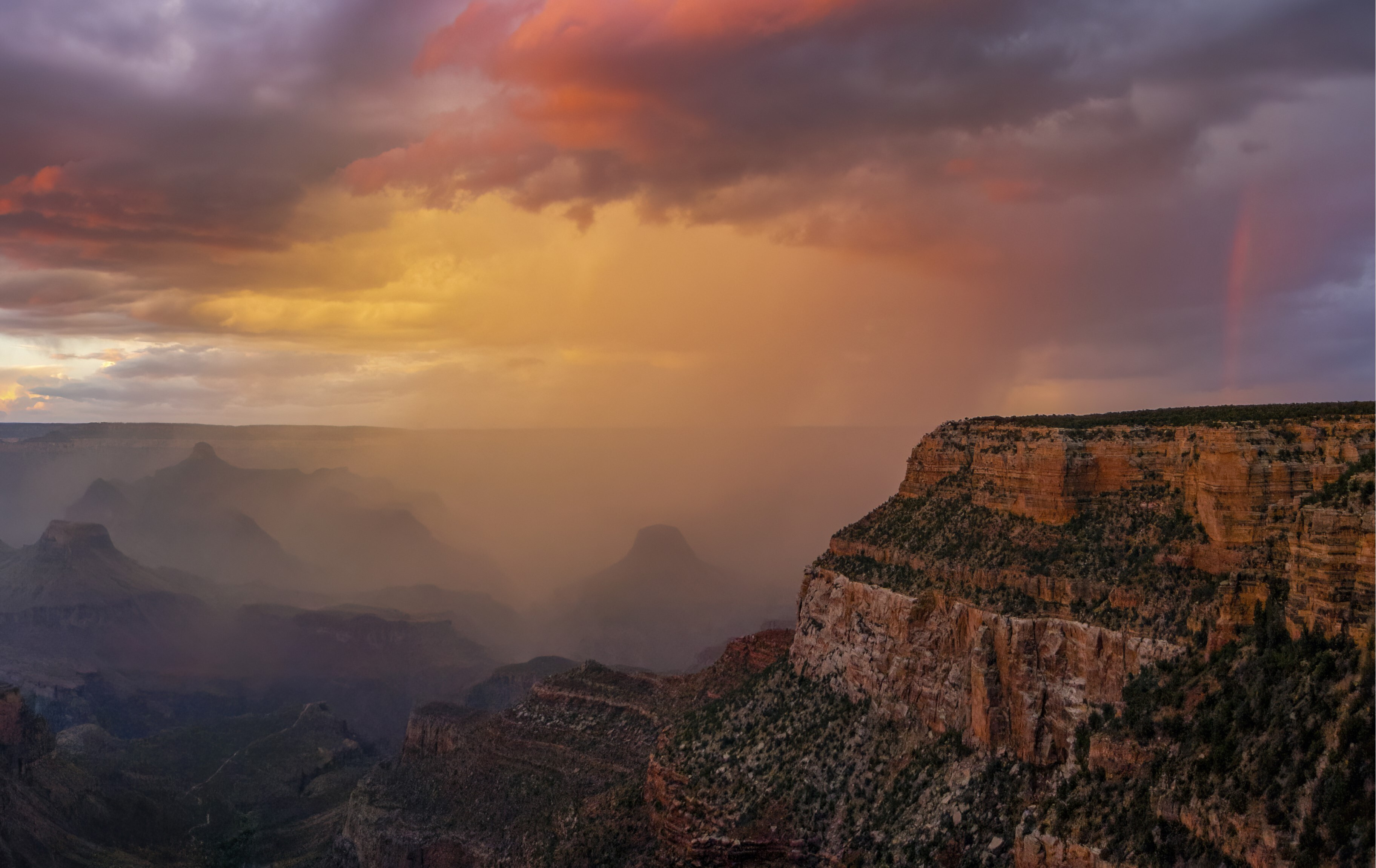
Mental Health Awareness Month at Grand Canyon: Places to Reflect
Slow down and reconnect during Mental Health Awareness Month. Discover peaceful hikes, scenic viewpoints, and quiet places at Grand Canyon designed for reflection, journaling, and mental reset.
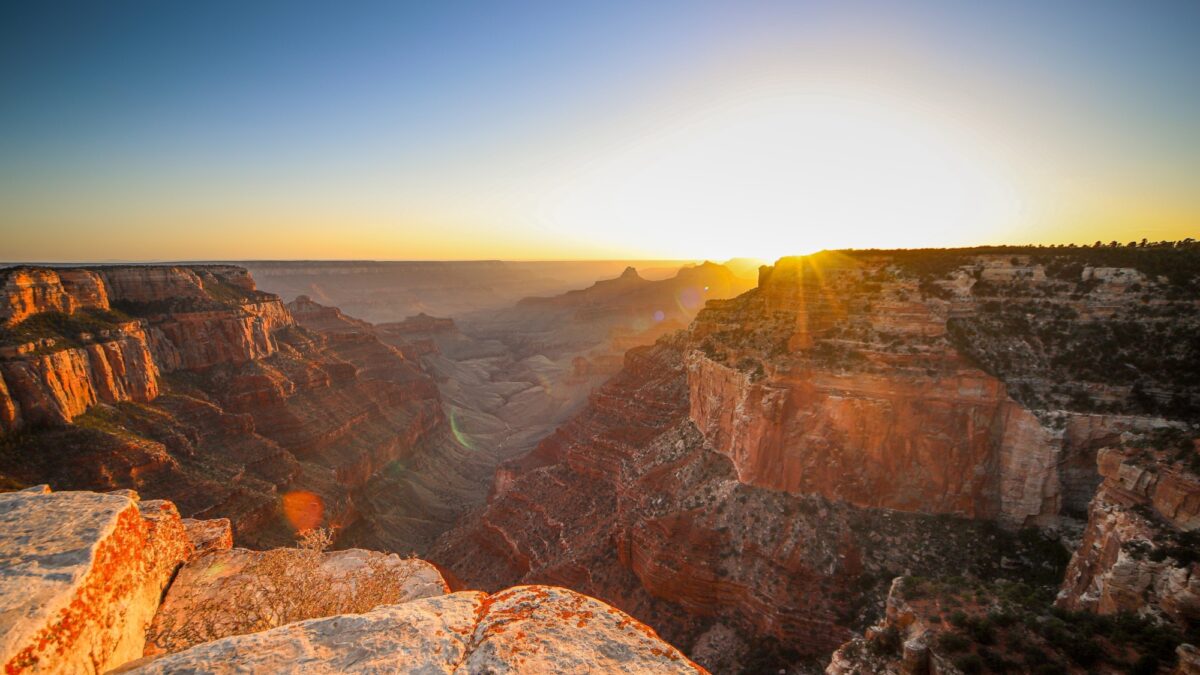
Did you know May is Mental Health Awareness Month? It is a time to promote mental well-being, reduce stigma, and foster healing through connection, reflection, and shared experiences. For many visitors, Grand Canyon is more than just a destination. It is a place that creates space to slow down, breathe deeply, and reconnect with nature, with others, and with yourself.
Sometimes the most powerful experiences at Grand Canyon happen in the quiet moments. Whether it is watching sunrise over the canyon walls, walking a peaceful trail, or simply sitting quietly beneath the stars, many people describe the healing nature of Grand Canyon as something difficult to explain but impossible to forget. In a world that often feels fast and overwhelming, the canyon offers a rare opportunity to pause, reflect, and feel grounded in something much bigger than ourselves.
Why Grand Canyon is a Place to Pause and Reflect
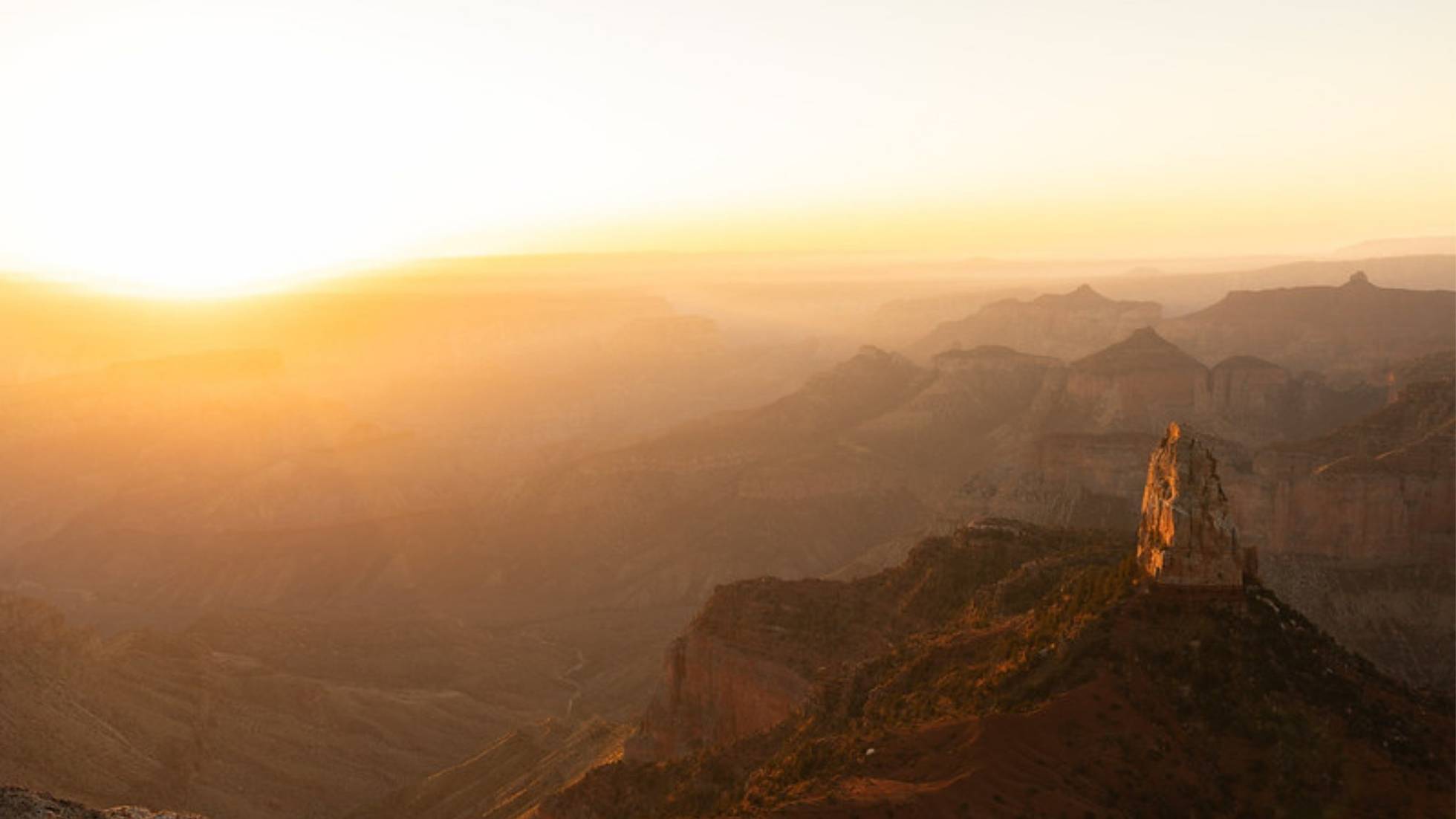
Grand Canyon has long inspired feelings of awe, perspective, and connection. Its immense scale, natural stillness, and ever-changing light encourage visitors to slow down and experience the present moment in a deeper way.
Stepping away from daily routines, constant notifications, and crowded schedules can create room for mental clarity and reflection. At Grand Canyon, even a few quiet moments on the rim can feel grounding.
Research continues to show the positive impact spending time in nature can have on overall well-being, and many visitors find that time spent at Grand Canyon helps them reconnect with themselves, their loved ones, and the natural world around them.
The healing nature of Grand Canyon is not about escaping life. It is about creating space to reset within it.
Explore our upcoming events or educational programs to learn more about the healing nature of Grand Canyon.
Staff Picks: Where We Go to Recharge
Grand Canyon means something different to everyone. For many people who work closely with the park, certain places have become personal spaces for reflection and renewal.
Grand Canyon means something different to everyone. For many people who work closely with the park, certain places have become personal spaces for reflection, renewal, and inspiration.
We asked our staff to share some of their favorite places within the park to recharge, feel grounded, and reconnect with the healing nature of Grand Canyon. From quiet viewpoints to peaceful trails and meaningful moments beneath the stars, these staff picks highlight the many ways Grand Canyon can create space for reflection and wellbeing.
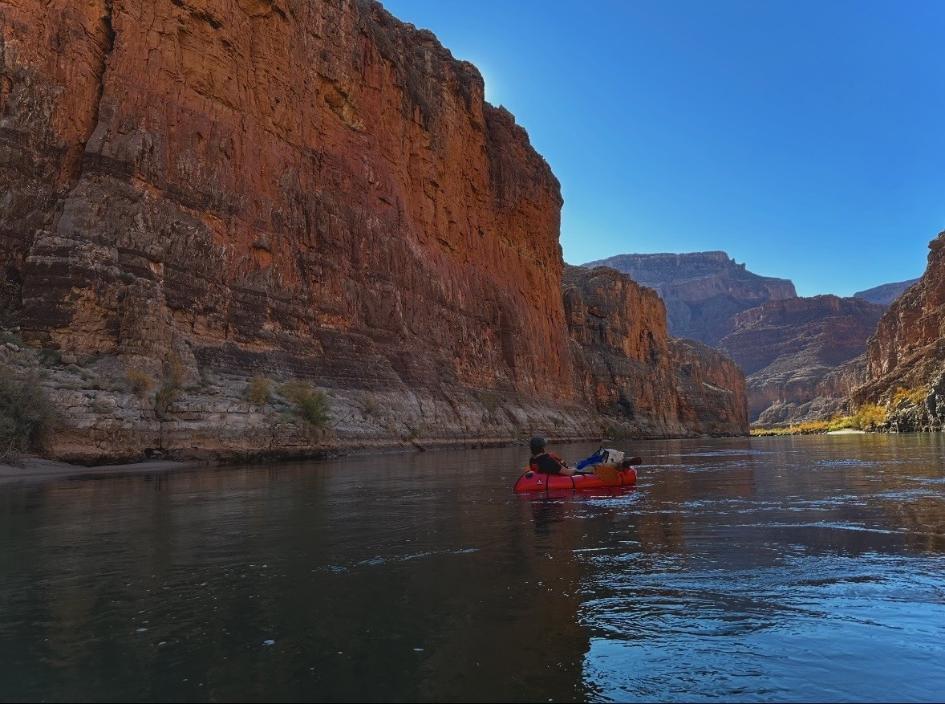
Staff Pick #1:
“The Colorado River near Vasey’s Paradise is incredibly serene and quiet, offering a rare moment to pause, reflect, and reconnect with both the canyon’s natural beauty and yourself.”
Staff Pick #2:
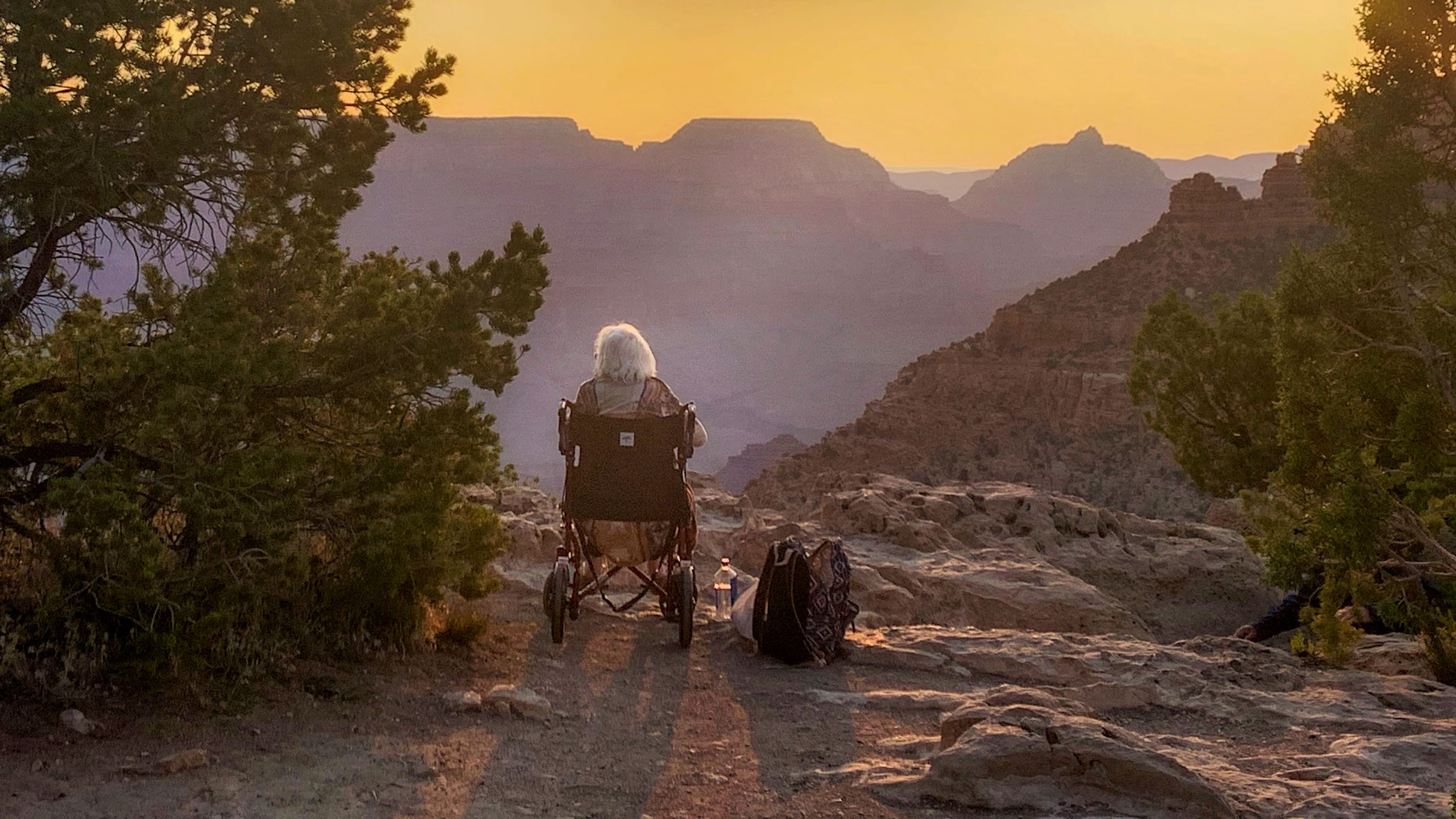
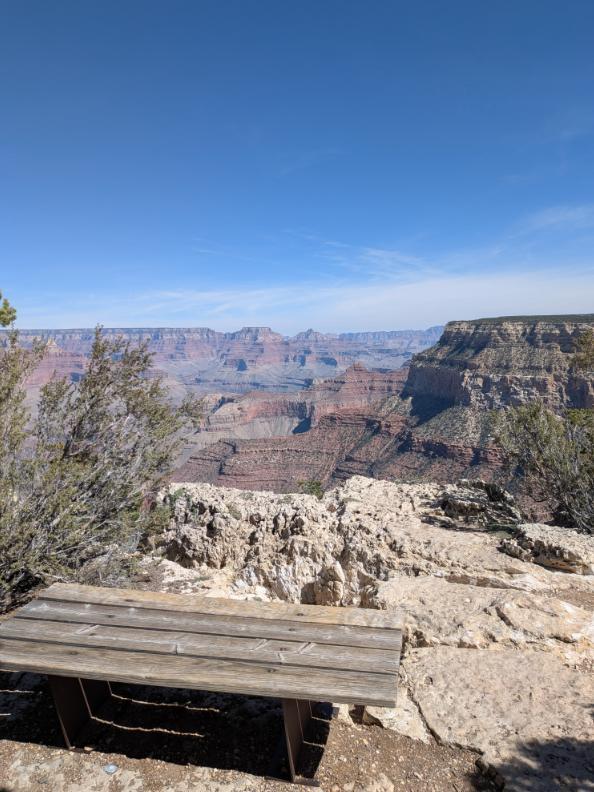
"I love all the benches scattered along the Rim Trail, each one is an invitation to take a mindful moment. To sit, notice the sounds of nature, soak in the sun, and just gaze off into the canyon. One of my favorites (see photo) is located somewhere around Maricopa Point on the Hermit's Road section."
Staff Pick #3:
“One of my favorite spots at Grand Canyon is the El Tovar Hotel porch—listening to people swap stories from their day as the sun sets and they catch one last glimpse of the canyon. Then the stars come out, and the wonder starts all over again, with strangers from around the world talking, connecting, and drawn together by the magic of this place.”
Staff Pick #4:
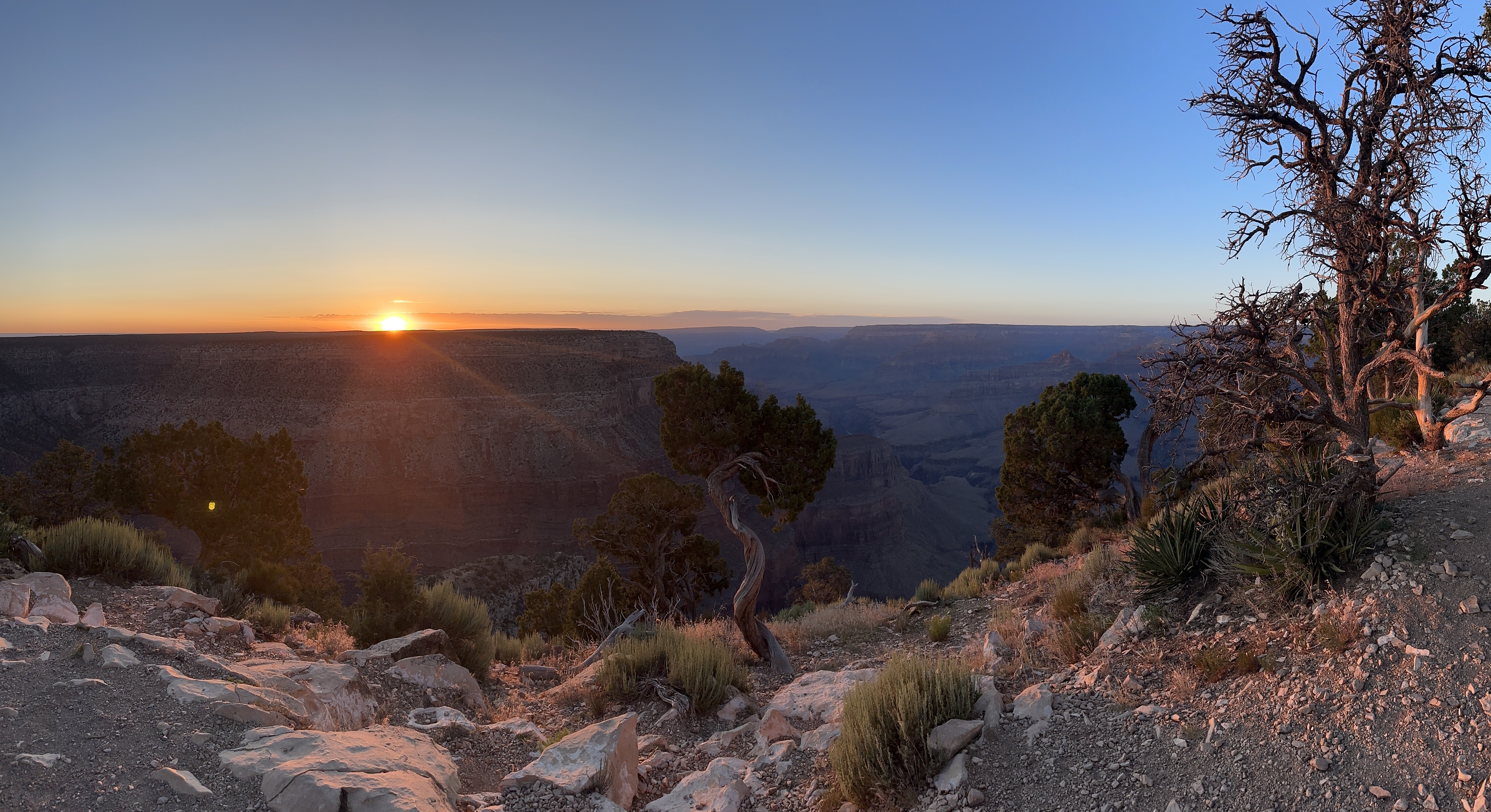
“Just outside of Hermits Rest is this swirl-y looking tree that has a lot of imperfections but that’s what makes it perfect. I feel like if I were a tree this is the tree that represents the ups and downs in my life but at the end of the day being able to overcome adversity while continuing to grow each day. This area is always quiet, away from visitors and I love the unique angle of the canyon.“
Peaceful Viewpoints for Reflection
Grand Canyon is filled with scenic overlooks, but some viewpoints naturally invite visitors to linger a little longer.
Desert View Watchtower
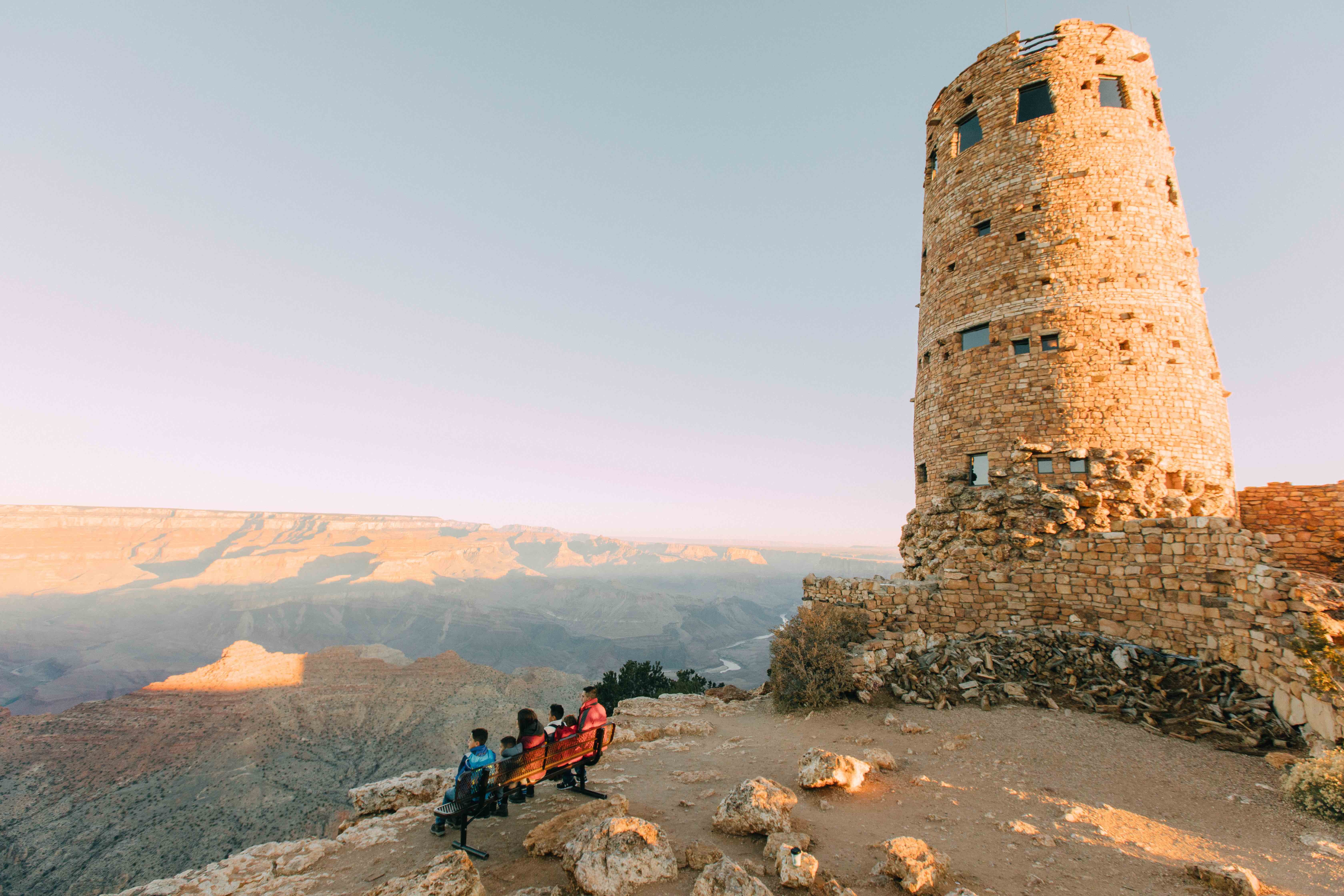
Located on the East Rim, Desert View Watchtower offers sweeping canyon views paired with a quieter atmosphere away from some of the busier central overlooks. Watching the Colorado River wind through the canyon from this viewpoint creates a sense of perspective that feels both calming and expansive.
Yavapai Point
Yavapai Point combines easy accessibility with panoramic canyon views, making it an ideal place to pause and reflect. Early mornings here are especially peaceful, with soft light gradually illuminating the canyon walls.
Hopi Point
Known for dramatic sunsets, Hopi Point offers one of the most memorable evening experiences at Grand Canyon. As daylight fades and shadows stretch across the canyon, visitors often find themselves naturally slowing down and simply taking in the moment.
Mather Point at Sunrise
While Mather Point is one of the park’s more popular viewpoints, visiting early in the morning before crowds arrive can create a surprisingly quiet and reflective experience.
Instead of rushing from viewpoint to viewpoint, consider spending extra time in one place. Sit longer than planned. Watch how the light changes. Let the landscape set the pace.
Hikes That Help You Reset
You do not need to complete a strenuous backcountry trek to experience the restorative side of Grand Canyon. Some of the most meaningful moments happen on shorter, slower walks.
Rim Trail
The Rim Trail is one of the most accessible and flexible hikes in the park. Much of the trail is relatively flat, allowing visitors to move at their own pace while enjoying continuous canyon views. Benches along the route create opportunities to stop, breathe, journal, or simply sit quietly.
Shoshone Point Trail
For visitors seeking quieter Grand Canyon viewpoints, the Shoshone Point Trail offers a peaceful alternative away from larger crowds. The gentle forested walk leads to a stunning overlook that feels secluded and calm.
Bright Angel Trail
Even walking a short section of Bright Angel Trail can provide a deeper connection to the canyon landscape. Visitors do not need to hike far below the rim to experience the stillness and perspective the trail offers.
Movement itself can be grounding. Walking slowly, noticing your surroundings, and disconnecting from distractions can help transform a simple hike into a meaningful mental reset.
To discover more hikes, visit our Trails & Hiking page.
Quiet Corners for Journaling and Stillness
Some of the most peaceful places at Grand Canyon are not marked on a map. They are the quiet benches tucked along the Rim Trail, shaded overlooks away from busy shuttle stops, and moments of stillness found early in the morning or after sunset.
Journaling can be a powerful way to slow down and process thoughts while surrounded by nature. Consider bringing a notebook and finding a quiet place to sit for a few minutes without distractions.
A few prompts to reflect on:
- What am I holding onto?
- What do I want more of?
- What feels important right now?
- What helps me feel grounded?
Morning and evening often provide the calmest atmosphere for reflection, especially during less crowded times of year.
Simple Ways to Practice Mindfulness at Grand Canyon
Grand Canyon naturally encourages mindfulness because it invites visitors to slow down and notice what is around them.
A few simple ways to practice mindfulness during your visit include:
- Walking without headphones or distractions
- Taking slow, intentional breaths while overlooking the canyon
- Noticing sounds like wind, birds, or distant river echoes
- Watching how light and shadows shift across the canyon walls
- Sitting quietly for longer than feels comfortable at first
- Journaling about observations, emotions, or moments of gratitude
- Putting your phone away for a portion of the day
Mindfulness does not need to feel formal or structured. Sometimes it simply means being fully present in a place that inspires wonder.
Plan a Visit That Gives You Space to Reset
If your goal is relaxation and reflection, try planning your visit with flexibility in mind.
Rather than filling every hour with activities, leave room for quiet moments and unstructured time. Consider:
- Visiting viewpoints more slowly
- Taking breaks between activities
- Staying overnight to experience sunrise and sunset
- Exploring quieter trails and less crowded overlooks
Visitors who spend more time lingering often discover that some of the best experiences at Grand Canyon happen unexpectedly.
Best Time to Visit for a Quiet, Reflective Experience
The atmosphere at Grand Canyon changes throughout the day and across seasons.
Early mornings tend to be quieter and cooler, offering peaceful lighting and fewer crowds. Sunset provides beautiful colors and softer energy, while evenings create opportunities for stargazing and stillness beneath dark skies.
Visitors looking for more solitude may prefer:
- Weekdays instead of weekends
- Spring or fall shoulder seasons
- Early morning viewpoints
- Less-trafficked trails and overlooks
Weather can also shape the experience. Cooler temperatures and quieter winter months often create especially peaceful conditions for reflection.
Supporting Mental Wellness Through Connection to Nature
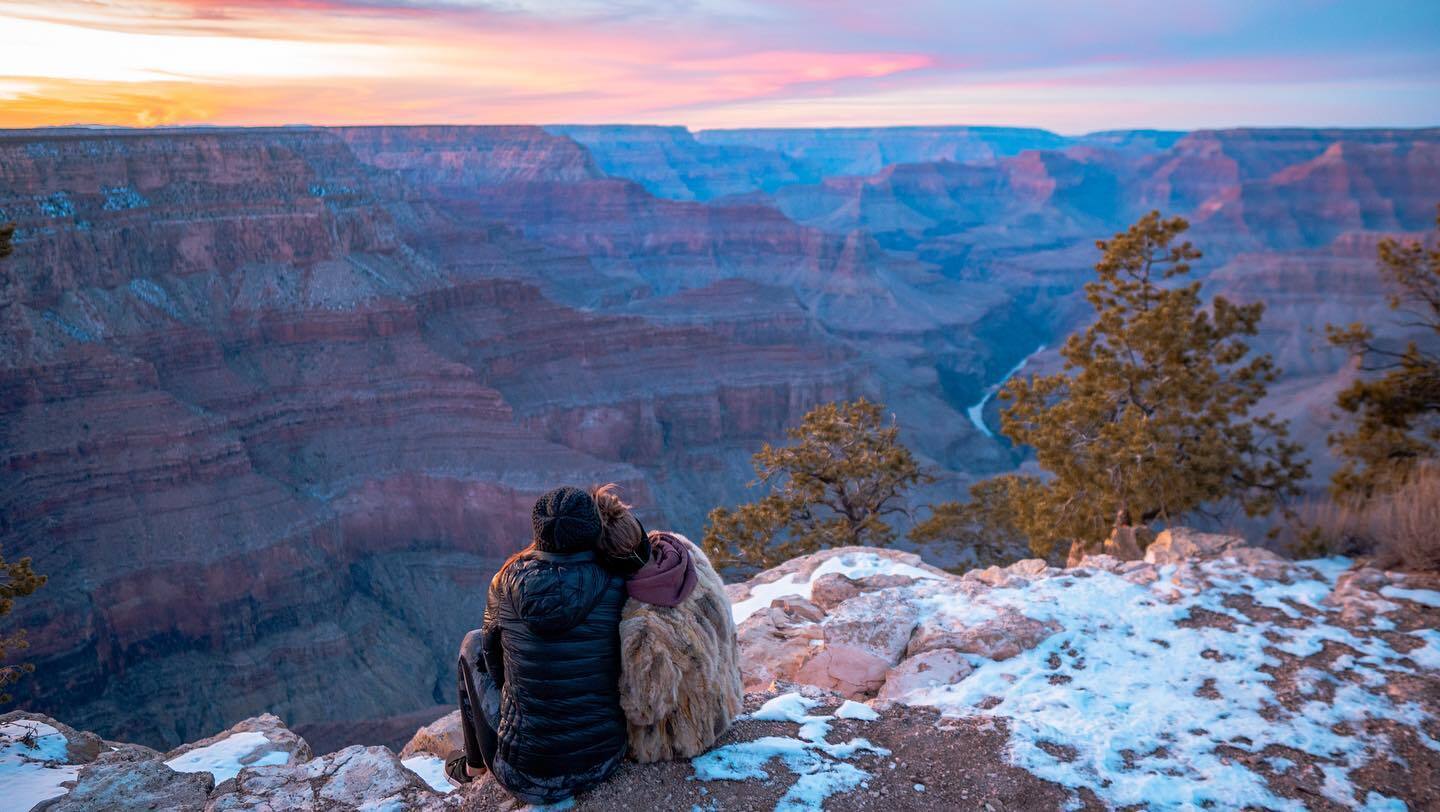
Spending time outdoors can help people reconnect with what matters most. Whether through movement, quiet observation, conversation, or solitude, nature often creates opportunities for emotional reset and perspective.
Grand Canyon Conservancy supports programs and experiences that help visitors engage more deeply with the park through education, interpretation, and stewardship. These experiences encourage meaningful connections not only with Grand Canyon itself, but also with the people and memories visitors carry home afterward.
The healing nature of Grand Canyon continues to inspire people from around the world, reminding us of the importance of protecting spaces where reflection and connection are still possible.
Support Grand Canyon Conservancy
Protecting Spaces That Help Us Recharge
Places like Grand Canyon do more than inspire adventure. They provide opportunities for rest, reflection, wonder, and human connection.
Protecting these landscapes means protecting the experiences they make possible. Efforts to reduce light pollution, preserve natural soundscapes, maintain trails, and care for fragile ecosystems all help ensure future generations can experience the same sense of peace and perspective.
By supporting Grand Canyon Conservancy, participating in educational programs, or practicing responsible visitation, visitors play an important role in preserving spaces that help people recharge and reconnect. To stay connected with Grand Canyon Conservancy, visit our news page.