
Connecting Indigenous Youth to Grand Canyon
Immersive Colorado River experiences focused on conservation, science, cultural and educational programming, and youth professional development.

Next Generation of Conservation Leaders
In 2026, Grand Canyon Conservancy and Grand Canyon National Park partnered with Tribal nations and conservation and youth organizations to create three immersive Colorado River experiences focused on conservation, science, cultural and educational programming, and youth professional development. In addition, these trips provided access to Indigenous youth and young adults with Grand Canyon National Park as both ancestral homeland and living public landscape.
These were far more than recreational river trips. Each experience was intentionally designed to deepen participants’ relationships with Grand Canyon through cultural connection, hands-on stewardship, scientific exploration, education, and professional development.
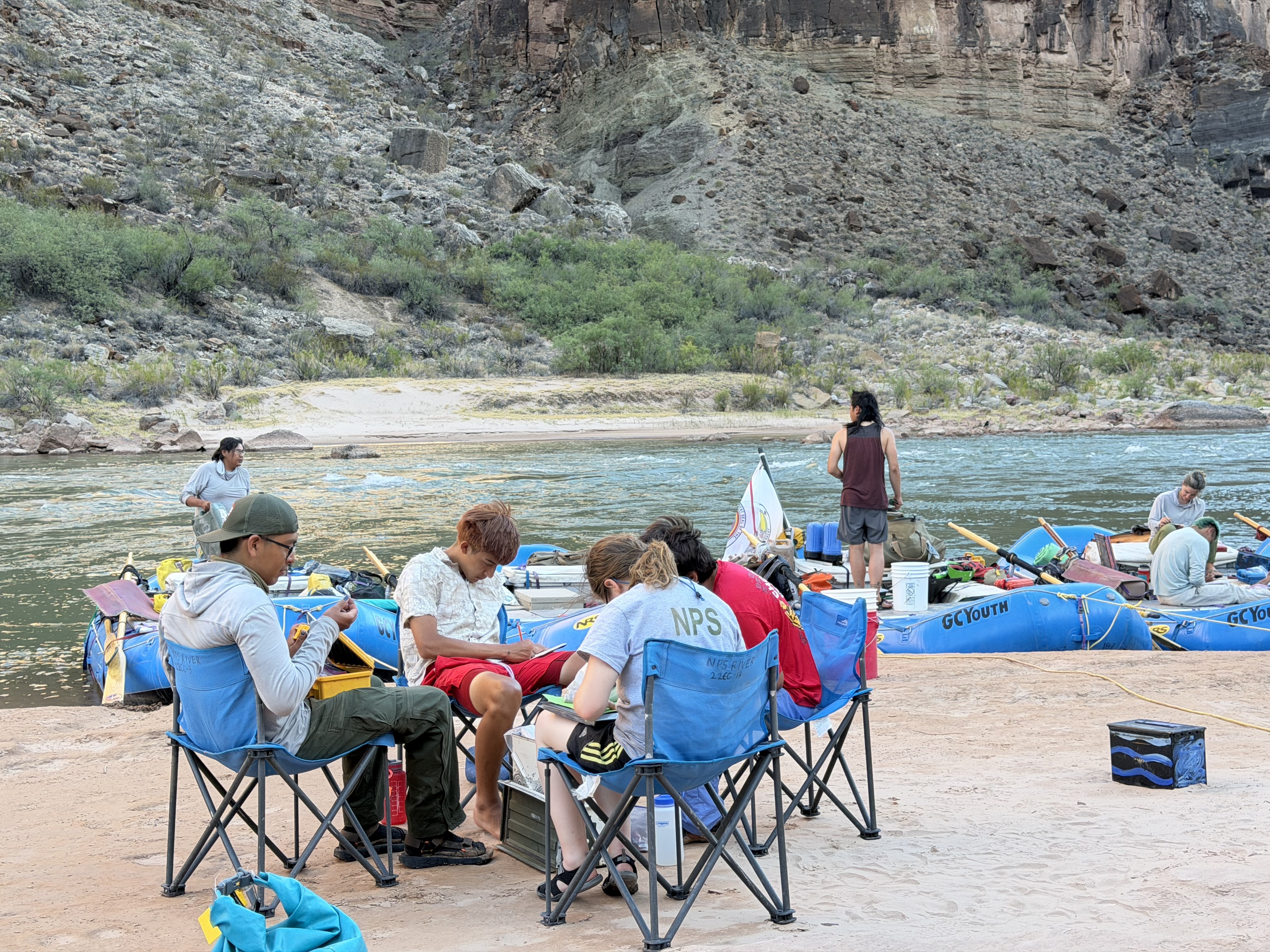
Two trips engaged youth and young adults directly in conservation and research. During a May river trip from Lees Ferry to Pipe Creek Beach, participants worked alongside Grand Canyon National Park staff and partners on experimental vegetation treatments and research. Their work included controlling nonnative plants, addressing vegetation encroachment at campsites, managing vegetation to protect cultural sites, maintaining native plant restoration areas, and assisting with research evaluating invasive plant control methods.
Three River Trips, One Shared Purpose
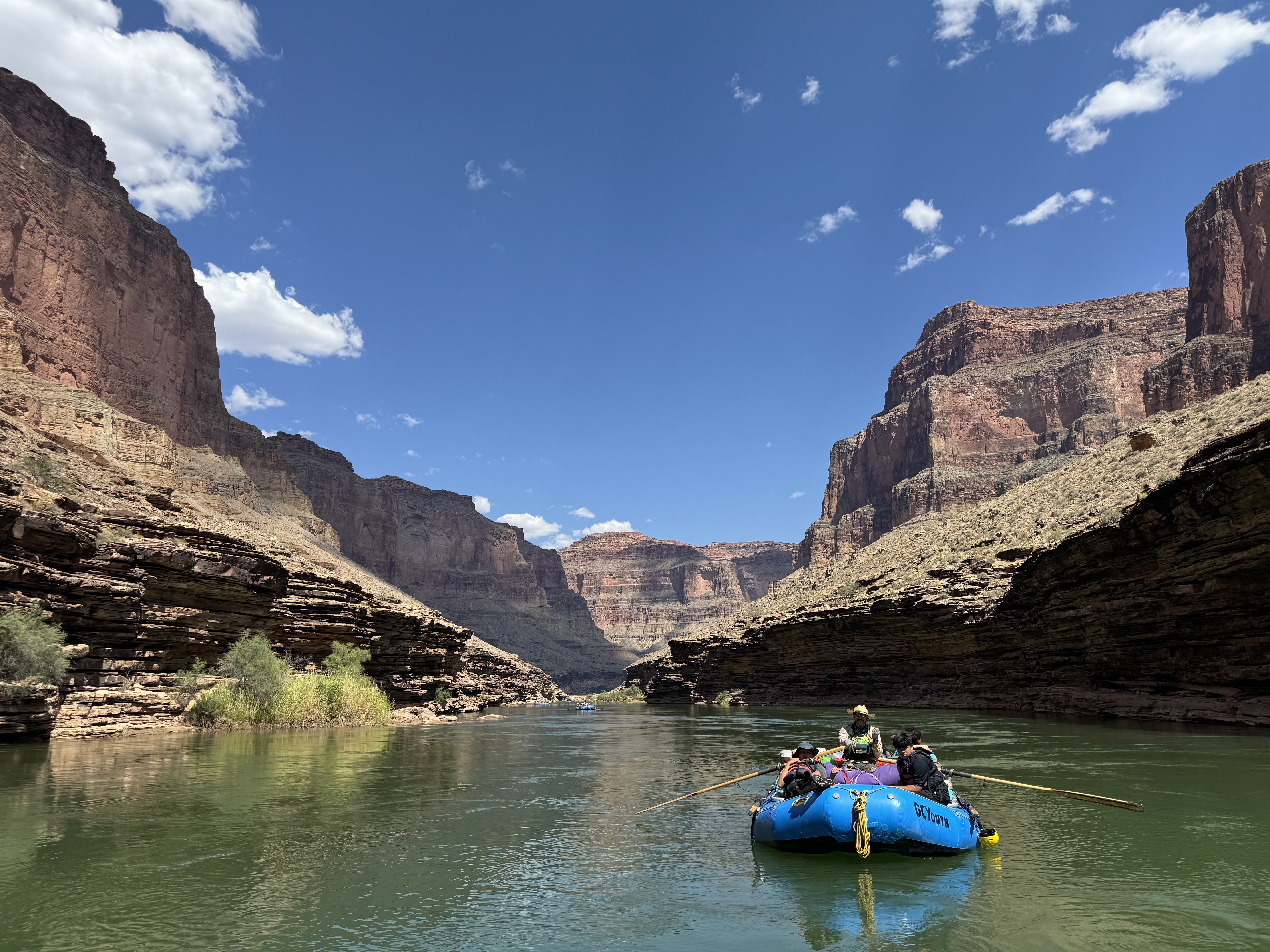
A second trip, from Lees Ferry to Diamond Creek in July, brought Native Conservation Corps participants together with scientists and river professionals for a 10-day experience along more than 250 miles of the Colorado River. Participants worked alongside U.S. Geological Survey scientists to collect fish data while also participating in team-building, storytelling, hiking, scientific exploration, and learning about Grand Canyon's natural and cultural resources.
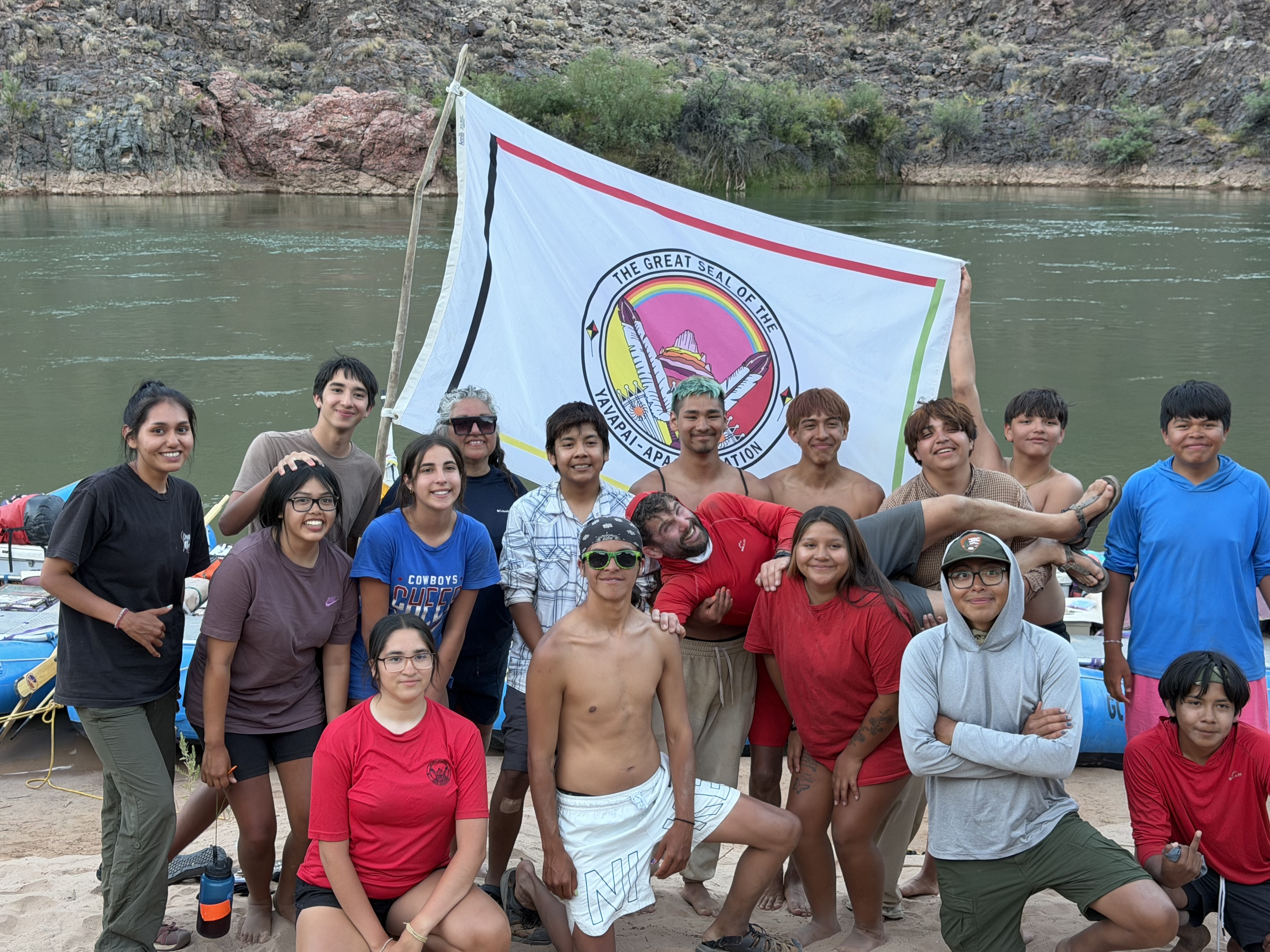
The third experience was a 16-day rafting expedition for Yavapai-Apache Nation youth, made possible through funding from Grand Canyon Conservancy and a matching grant secured by the Tribe. The trip provided an immersive cultural and educational experience within Grand Canyon, a Traditional Cultural Place (TCP) with deep ancestral significance to the Nation.
Through cultural, interpretive, and educational programming co-developed by the Tribe and the National Park Service, participants had opportunities to connect and reconnect with their ancestral lands, deepen their understanding of cultural traditions and resources, and explore the importance of stewardship of public lands. The experience also introduced youth to the National Park Service’s mission and land management practices, while highlighting potential career pathways in conservation and federal public lands management.
The Yavapai-Apache Nation described the trip as a “monumental experience” that provided youth with a safe, educational, and transformative opportunity to reconnect with their heritage and the natural world.
Together, these experiences engaged Indigenous young people not simply as visitors to Grand Canyon, but as descendants, learners, scientists, stewards, and potential future public-lands professionals.
The Impact Goes Beyond the River
Across all three experiences, 34 Indigenous youth and young adults had opportunities to learn, work, explore, and build relationships within Grand Canyon.
But the impact goes beyond the number of participants or miles traveled.
Young people contributed directly to conservation and scientific research, learned from Tribal leaders and cultural educators, and worked alongside scientists, river professionals, and National Park Service staff.
Just as importantly, these experiences helped participants envision a future in conservation and public lands management. Following the Yavapai-Apache Nation expedition, several participants returned home expressing interest in becoming river guides and exploring careers in land management.
The Nation reported that several youth returned home expressing strong interest in becoming river guides and exploring careers in land management. The letter described the experience as helping to “spark the next generation of Indigenous leaders and conservationists.”
That is the long-term impact GCC and its partners hope to achieve: not simply a memorable experience on public lands, but a lasting sense of belonging, responsibility, possibility, and connection to place.
A Collaborative Effort
No single organization could have created these experiences alone.
These experiences were made possible through collaboration among Grand Canyon Conservancy, Grand Canyon National Park, Tribal partners, conservation organizations, educators, scientists, and river professionals.
Grand Canyon National Park contributed expertise in resource management, cultural resources, science, and public lands stewardship. Grand Canyon Conservancy provided philanthropic support to help make these opportunities accessible to young people.
Additional partners included:
- Yavapai-Apache Nation
- Conservation Legacy
- Arizona Conservation Corps
- Ancestral Lands Conservation Corps
- Southwest Conservation Corps
- Grand Canyon Youth
- Navajo Nation
- Northern Arizona University
- U.S. Geological Survey
- Grand Canyon Monitoring and Research Center
The Yavapai-Apache Nation partnership illustrates why this collaborative model matters. In its letter to GCC, the Nation specifically thanked GCC for its “vital partnership and assistance” and noted that GCC and NPS staff worked with the youth in a way that made them feel comfortable and supported. The Nation closed by thanking GCC and NPS for “standing with us as partners” and for protecting Grand Canyon while honoring the tribes who call it home.
That spirit of partnership is at the heart of the initiative. Rather than creating a program for Indigenous youth, GCC and NPS worked with Tribal and community partners to create experiences rooted in relationship, respect, stewardship, and shared responsibility for Grand Canyon.
Inspiring the Next Generation
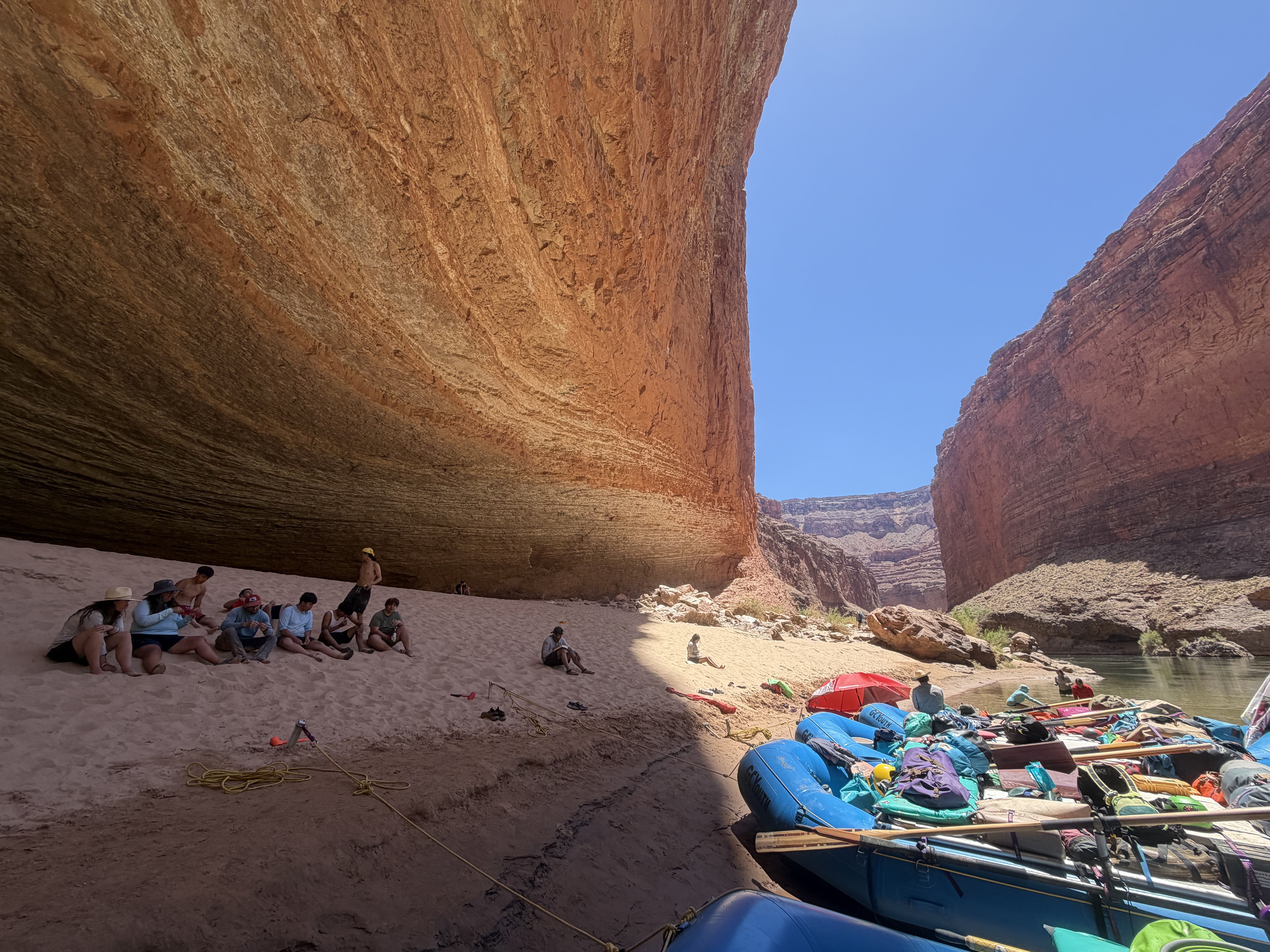
When young people have the opportunity to connect with their ancestral lands, contribute to conservation, and envision themselves as future stewards, the impact can last far beyond a single river trip.
Through these partnerships, Grand Canyon Conservancy is helping create opportunities for the next generation of Indigenous leaders, scientists, and conservation professionals to build lasting relationships with Grand Canyon.
Support Indigenous Programs
At Grand Canyon Conservancy, we believe in honoring the enduring Indigenous histories and cultures that have shaped this landscape for millennia. Through respectful and creative partnerships, we support initiatives that protect sacred sites, uplift Indigenous knowledge, and ensure tribal voices play a vital role in shaping the future of the canyon.
Donate
Ed Keable
Superintendent Grand Canyon National Park“Grand Canyon is recognized as a sacred site for many neighboring Indigenous populations. However, few Indigenous youths can travel to Grand Canyon, often for reasons related to financial need. This program changes lives.”
Project Partners
Grand Canyon National Park
Yavapai-Apache Nation
Conservation Legacy
Arizona Conservation Corps
Ancestral Lands Conservation Corps
Southwest Conservation Corps
Grand Canyon Youth
Navajo Nation
Northern Arizona University
U.S. Geological Survey
Grand Canyon Monitoring and Research Center
Grand Canyon Conservancy
Fundraising Goal
$80,000