
Grand Canyon Flash Flood 2026: Visitor Updates & Current Conditions
Official August 2026 Grand Canyon flash flood updates: Check trail closures, water availability, lodging restrictions, and safe visiting guides before you go.
What Happened at Grand Canyon?
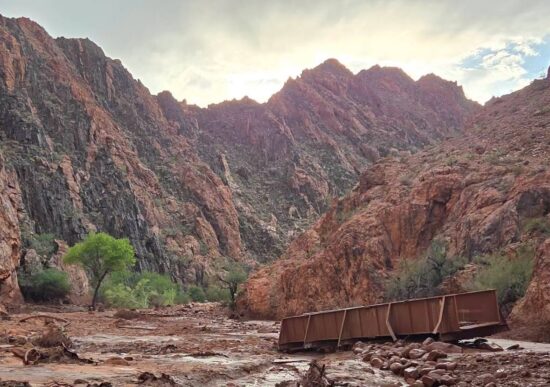
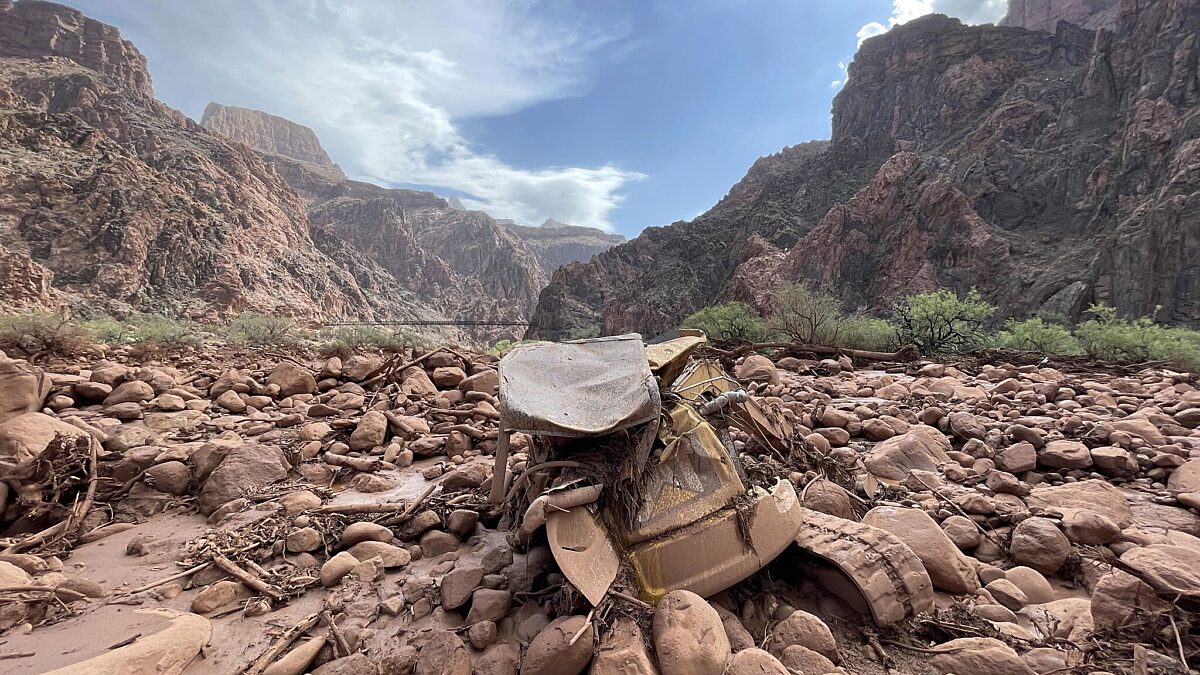
On August 29, 2026, a significant flash flood impacted Bright Angel Canyon and the Phantom Ranch area, causing substantial damage to trails, bridges, utilities, and other infrastructure. Tragically, the flood also resulted in loss of life.
Recovery crews and partner agencies continue to assess the damage, stabilize affected areas, and determine long-term repair needs. As this work continues, closures and changes to park operations are necessary to protect visitors and provide crews with safe access to impacted areas.
Grand Canyon National Park is still open, but the visitor experience looks different right now. Some areas and trails remain accessible, while significant inner-canyon closures, water restrictions, and operational changes are in place.
If you’re planning a visit, check current conditions before you travel and be prepared to adjust your plans. This guide outlines what visitors need to know about hiking, water, lodging, camping, closures, and responsible visitation during the recovery period.
Is Grand Canyon Open Following the August 2026 Flash Flood?
Yes, Grand Canyon is open.
Before your visit:
- Check current National Park Service Alerts before leaving home.
- Check alerts again on the day of your visit.
- Confirm lodging or campground reservations.
- Review trail closures before hiking.
- Verify current water availability.
- Have an alternate plan in case conditions change.
The NPS Operations Update is updated daily and should be your primary resource for the latest information on closures, services, and current conditions.
How is Grand Canyon Conservancy Helping the South Rim Community?
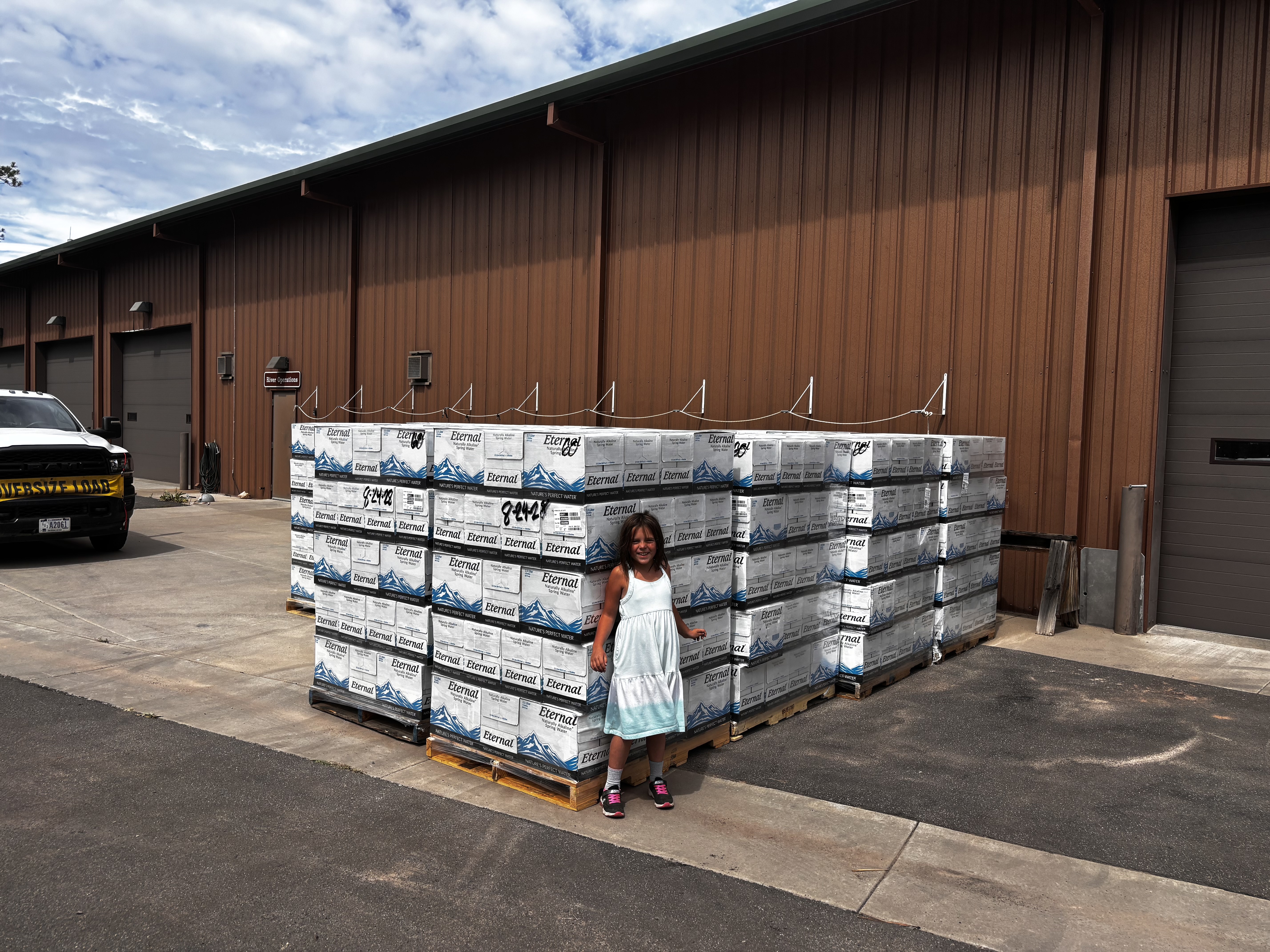
Grand Canyon Conservancy has helped facilitate the donation of thousands of gallons of drinking water to the South Rim community.
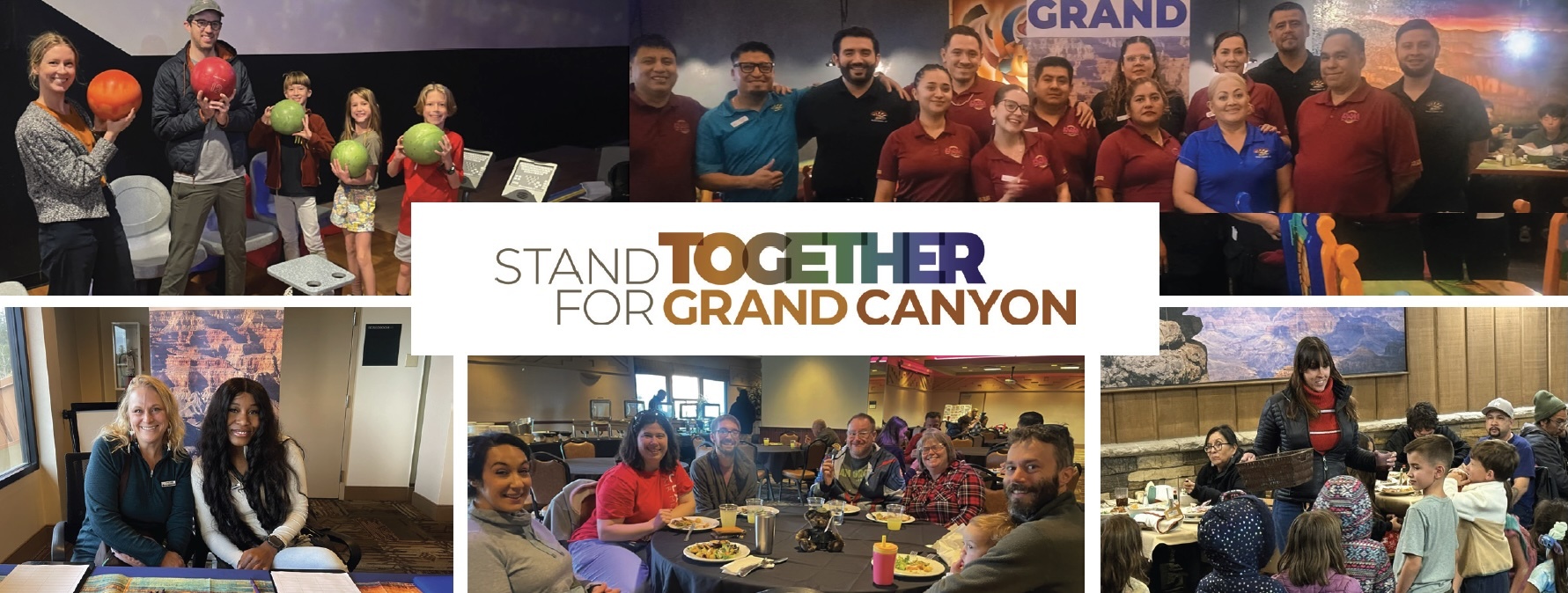
We have also increased the frequency of our community dinners, providing more opportunities for people to come together, share a free meal, and support one another.
Delaware North has partnered with GCC to offer day-use passes for community members, free laundry services, and pool and shower access at the Squire Resort in Tusayan.
These efforts are about more than meeting immediate needs. They’re about supporting our community and making sure the people who live and work at Grand Canyon know they are not facing this alone.
What Areas Were Impacted by the Flash Flood?
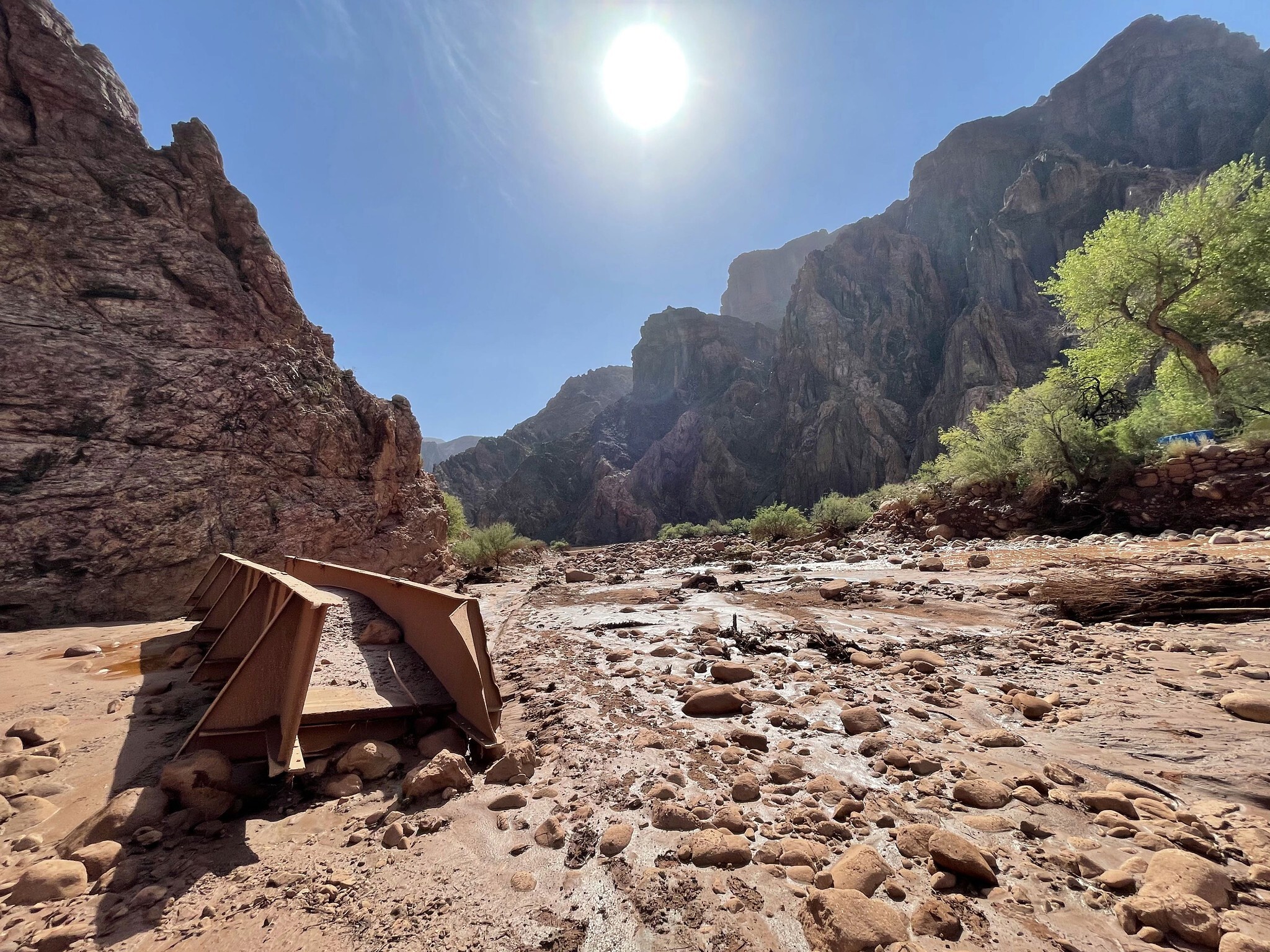
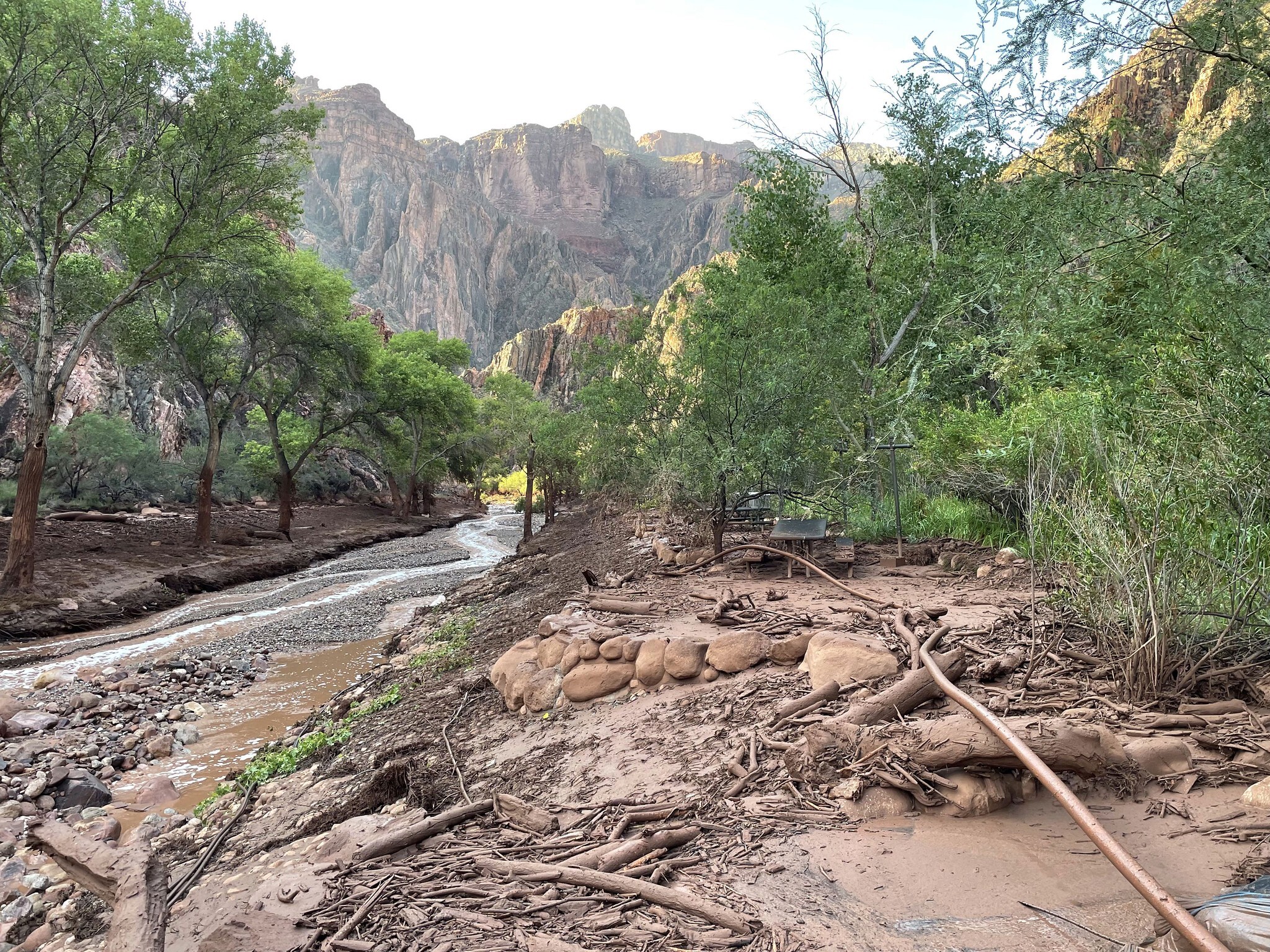
Bright Angel Canyon, the North Kaibab Trail, and the Phantom Ranch area experienced significant impacts from the August 29 flash flood.
The flooding damaged or destroyed portions of trails, bridges, utilities, and other infrastructure within the affected areas. Recovery and stabilization efforts are underway, with crews working to assess damage and address immediate safety concerns.
Visitors should respect all posted closures, barriers, and restrictions. These closures help protect visitors while also allowing crews to safely access impacted areas and continue recovery work.
Conditions may change as assessments and recovery efforts continue. Check current National Park Service alerts and Grand Canyon Conservancy visitor resources before your visit for the latest confirmed information.
What Grand Canyon Trails and Areas Are Currently Closed?
Significant closures remain in place following the August 29 flash flood, particularly around Bright Angel Canyon and the Phantom Ranch area. Traditional Rim-to-Rim hiking is currently not possible.
While several inner-canyon trails remain open, visitors should be aware of closures affecting key destinations and services. Phantom Ranch, Bright Angel Campground, the Phantom Ranch Canteen, and cabins are currently affected by the flood and should not be considered available visitor destinations.
Current trail closures: North Kaibab Trail, Cottonwood Campground, Phantom Ranch, Bright Angel Campground, Silver Bridge, Black Bridge. Additionally South Kaibab Trail below Tip-Off Point, and Bright Angel Trail below the intersection with the Tonto Trail is closed (River exchanges may continue at Pipe Creek Beach). Please do not attempt to access the closed areas.
Because trail and area closures may change as recovery work continues, visitors should not rely on this article alone when planning a hike. Always check the latest National Park Service alerts and closure information immediately before your visit.
Can I Still Hike at Grand Canyon?
Yes. Several Grand Canyon trails and trail sections remain open, offering opportunities from shorter hikes to challenging below-the-rim experiences. However, some routes are affected by current closures, and traditional Rim-to-Rim hiking is not possible at this time.
What Trails Are Currently Open?
Visitors can still access several popular trails and connections, including:
- South Kaibab Trail from the South Kaibab Trailhead to Tip-Off Point
- Tonto Trail from Tipoff to Havasupai Gardens
- Plateau Point Trail from the Tonto Trail junction to Plateau Point
- Bright Angel Trail from the Bright Angel Trailhead to the intersection with Tonto Trail
These open routes provide opportunities to experience Grand Canyon on foot, but below-the-rim hiking requires careful planning. Consider distance, elevation change, weather, water availability, and your ability before setting out.
Conditions can change as recovery work continues. Before any hike, check the National Park Service (NPS) for the latest trail status, weather, water availability, and closures. Always respect posted closures and barriers, carry adequate water, and have a backup plan.
→ Current Trail Status
What Should Visitors Know About Water Availability?
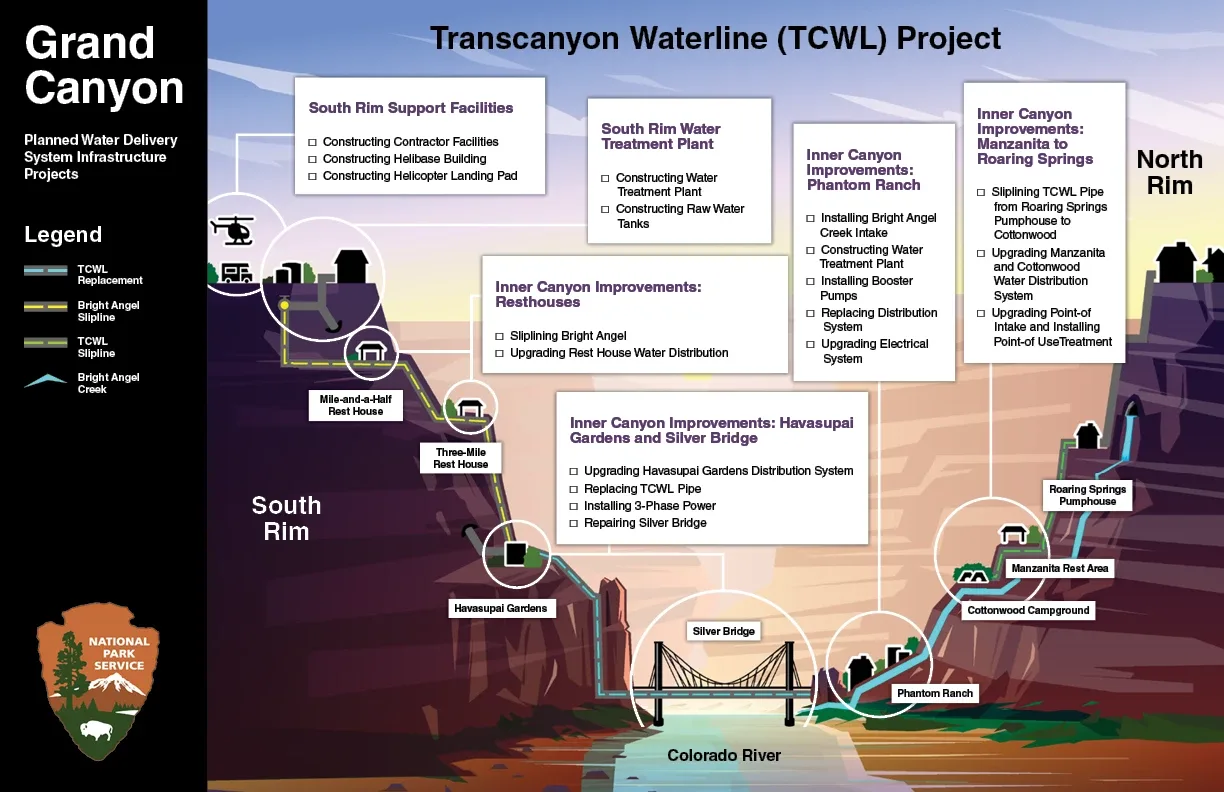
The devastating flash flood on August 29 severely damaged the Transcanyon Waterline (TCWL), Grand Canyon’s primary water delivery system.
Installed in the 1960s, the 12.5-mile pipeline pumped water from Roaring Springs on the North Rim to the Havasupai Gardens pumphouse and ultimately to the South Rim. It provides potable water and fire suppression for facilities on the South Rim, as well as some inner-canyon facilities in the Cross Canyon Corridor, including more than 800 historic buildings.
The aging pipeline has experienced more than 85 major breaks since 2010. In 2023, construction began on a new Transcanyon Waterline designed to improve the reliability of the park’s water system. The project includes a new water intake near Phantom Ranch, a South Rim water treatment plant, two new raw water tanks, and other infrastructure to support the system.
The new water intake was designed to draw water from Bright Angel Creek near Phantom Ranch, greatly reducing the length of the waterline and eliminating the section north of Phantom Ranch that has experienced the most frequent failures. Unfortunately, the flash flood damaged the new intake before the project was completed. Contractors are now working on a temporary intake to resume pumping water to the South Rim.
The project was scheduled for completion in 2026. Importantly, the new pipeline infrastructure on the south side of the canyon was not damaged by the flood. The park is now accelerating work already underway to bring this infrastructure into service and restore a more reliable water system.
While this work is underway, Grand Canyon National Park is taking significant steps to conserve water.
Is Drinking Water Available at Grand Canyon?
Potable water stations along the Bright Angel Trail are currently turned off. Anyone hiking below the rim should be prepared to carry all the water they need and/or bring appropriate water treatment equipment.
Water availability at Grand Canyon can change quickly due to waterline breaks, seasonal conditions, and other factors. Visitors should never assume a familiar water station will be operational, even if water was available there on a previous visit.
Naturally sourced water may be available in the creek near the day-use area at Havasupai Gardens and must be properly treated before drinking.
Before heading out:
- Carry enough water for your planned activity or be prepared to treat naturally sourced water where available.
- Bring an appropriate water filtration or treatment method when hiking below the rim.
- Check current water availability immediately before your hike.
- Pay close attention to heat, weather conditions, and the demands of your planned route.
- Never rely on a water source without first confirming current conditions.
Because water availability can change with little notice, check the National Park Service’s latest updates before every hike.
How Can Visitors Help Conserve Water?
Every visitor can help protect Grand Canyon’s limited water resources by using water thoughtfully and following current conservation measures.
Water is a precious resource at Grand Canyon, and current conditions make conservation especially important. Visitors can help reduce demand on the park’s water system through a few simple actions:
- Bring drinking water with you rather than relying on water sources within the park.
- Using potable water stations when you need drinking water.
- Using hand-washing stations instead of sinks whenever available.
- Using portable toilets throughout the South Rim.
- Use water intentionally and avoid unnecessary water use whenever possible.
- Report leaks or other water issues to park staff.
- Follow all posted water conservation measures and restrictions.
- Check current conditions before your visit rather than relying on water availability or services from a previous trip.
Please note that all overnight guest lodging within Grand Canyon National Park is closed until further notice. Visitors should plan accordingly and check current National Park Service updates before arriving.
Small choices can make a meaningful difference. By conserving water and staying informed, visitors can help protect Grand Canyon’s resources while supporting ongoing recovery efforts.
Are Grand Canyon Hotels and Overnight Accommodations Open?
Grand Canyon National Park remains open, but overnight guest lodging inside the park is currently closed until further notice due to water restrictions.
Beginning August 31, overnight lodging at concession-operated properties within the park closed to guests. Visitors should not assume that because Grand Canyon is open for day use, hotels and other overnight accommodations inside the park are operating normally.
Lodging in Tusayan, outside the park, is not affected by these restrictions and may provide an alternative for visitors planning an overnight stay.
If you have an existing reservation inside the park, check directly with your lodging provider for the latest information. All visitors should also review current National Park Service alerts before traveling, as restrictions and operating conditions may change.
What About Camping at Grand Canyon?
Camping may still be available, but conditions and services vary by location. Visitors should confirm current campground status before arriving and be prepared to dry camp.
The closure of overnight lodging inside Grand Canyon National Park does not necessarily mean all camping is closed. Campground availability and water access are managed separately, and conditions can differ significantly between the South Rim, North Rim, and inner canyon.
If you plan to camp:
- Confirm your campground is open before traveling.
- Verify existing reservations and check for any changes that could affect your stay.
- Check current water availability and restrictions for your specific campground.
- Prepare to dry camp, bringing the water and supplies you need rather than relying on water being available onsite.
- Review current trail and backcountry closures if your plans include hiking or camping below the rim.
- Don't assume conditions are the same throughout the park. Closures, water availability, and services may vary by area.
Because conditions can change, check the latest National Park Service campground and operations updates immediately before your visit.
What Can Visitors Still Do at Grand Canyon?
There are still many ways to experience, learn about, and connect with Grand Canyon. Whether you’re exploring the landscape in person or connecting with the canyon from home, Grand Canyon Conservancy offers resources and experiences that can help you make the most of your visit.
Visitors can still:
- Explore open trails and viewpoints while following current National Park Service conditions and closures.
- Join free day programs through the Grand Canyon Conservancy Field Institute to learn more about the canyon’s landscape, wildlife, geology, history, and culture.
- Visit Grand Canyon Conservancy Park Stores, which remain open. Purchases made at GCC Park Stores directly support Grand Canyon National Park.
- Visit the Grand Canyon Visitor Center to find experiences that fit current conditions.
- Explore Grand Canyon from home through virtual events, live webcams, and other online experiences.
Conditions can change, so check current National Park Service updates before your visit. Even when some areas are inaccessible, there are still meaningful ways to experience Grand Canyon and support the work that helps protect it.
How Can I Visit Grand Canyon Responsibly Right Now?
Stay informed, come prepared, remain flexible, and help protect Grand Canyon while recovery efforts continue.
Responsible visitation is especially important right now. A few simple actions can help keep you safe while protecting the park, its resources, and the people working to care for it.
Check before you go.
Conditions can change quickly. Check current National Park Service updates for closures, water availability, weather, campground status, and available services before you arrive.
Come prepared.
Bring your own water and the supplies you need for your planned activities. Don’t assume water, services, or other resources that were available during a previous visit will be available now.
Stay flexible.
Your original hike, reservation, or itinerary may need to change. Have a backup plan and be ready to adjust based on current conditions.
Respect all closures.
Never cross barriers or attempt to bypass a closure. Restrictions are in place to protect visitors and provide recovery crews with safe access to impacted areas.
Protect Grand Canyon.
Stay on designated routes, follow Leave No Trace principles, pack out what you bring in, and respect the canyon’s natural and cultural resources.
By planning ahead and making thoughtful choices, visitors can continue to experience Grand Canyon while helping protect it during recovery.
How Can I Support Grand Canyon Following the Flash Flood?
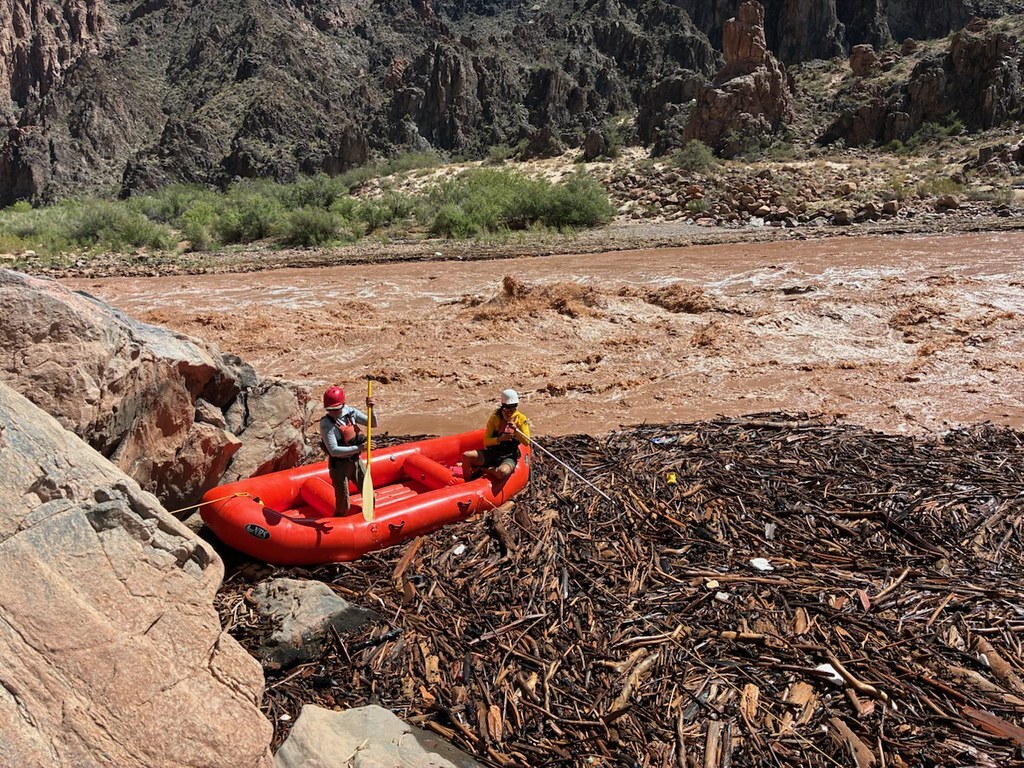
Grand Canyon Conservancy is working alongside Grand Canyon National Park as recovery and restoration needs continue to be assessed.
For those looking for another way to help, GCC is supporting the park as the full impacts of the flash flood become clearer. Recovery will take time, and needs may evolve as crews continue assessing affected areas.
Learn more about the flood, ongoing recovery efforts, and how your support can help protect and restore Grand Canyon.
Where Can I Find the Latest Grand Canyon Updates?
For current park operations, closures, lodging and campground information:
NPS Grand Canyon Operations Update
For trail conditions, water availability, weather and hiking updates:
NPS Key Hiking Messages & Critical Updates
For Grand Canyon trip planning, trails, experiences and educational resources:
Grand Canyon Conservancy – Experience Grand Canyon
For information about supporting recovery:
GCC – Flash Flooding at Grand Canyon: You Can Help
Plan Ahead, Stay Flexible, and Help Care for Grand Canyon
Grand Canyon remains a place of extraordinary beauty, discovery, and connection. As recovery efforts continue, visiting responsibly means taking a little extra time to prepare.
Before you travel, check current conditions, understand closures and water availability, and come prepared with the supplies you need. Stay flexible if plans change, respect closures and recovery efforts, and make choices that help protect the park and its resources.
With thoughtful planning and responsible visitation, we can all play a part in caring for Grand Canyon during this period of recovery and for generations to come.
→ Check Current Conditions | Plan Your Visit | Support Grand Canyon