Earth Day at Grand Canyon: Projects, Science and Stewardship in Action
Celebrate Earth Day by exploring how science and stewardship protect Grand Canyon. Discover key conservation projects and how you can support.
Why Earth Day Matters at Grand Canyon
Earth Day, celebrated each year on April 22, is a moment to reflect on our relationship with the natural world and to take meaningful action.
For many people, Grand Canyon is more than a destination. It is a place connected to family memories, discovery, and a sense of wonder. Earth Day is an opportunity to help protect that experience for future generations.
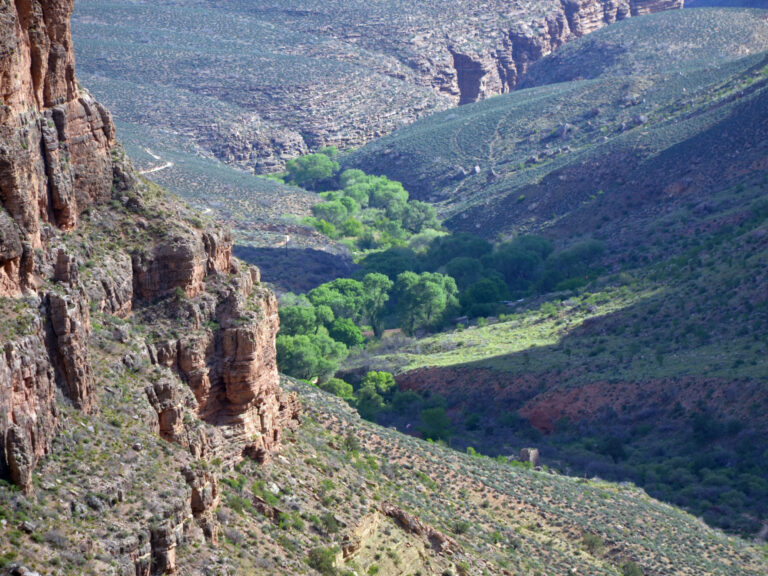
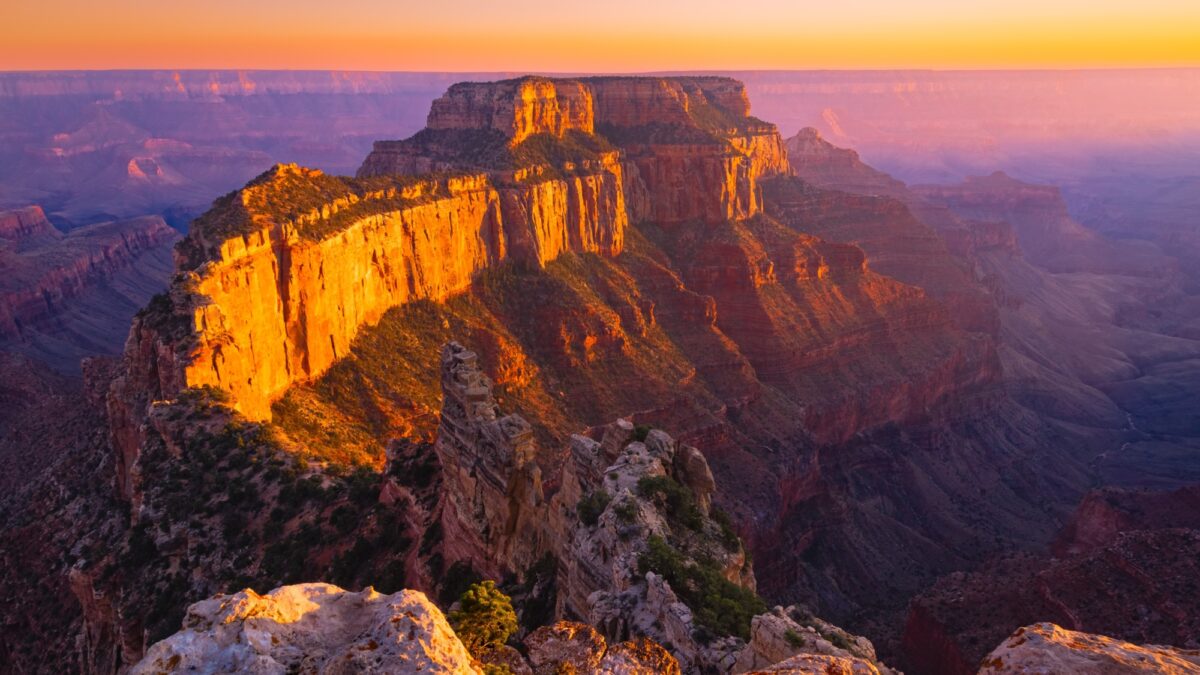
At Grand Canyon, that reflection carries global significance. Spanning more than a million acres, this landscape is not only geologically remarkable, but also culturally and ecologically vital. It is home to diverse wildlife, ancestral lands of Indigenous communities, and one of the most studied ecosystems in the world.
Yet conservation here is not confined to a single day. It is an ongoing, collaborative effort rooted in science, stewardship, and community support.
Grand Canyon Conservancy, the official nonprofit partner of Grand Canyon National Park, works alongside the National Park Service, Tribal communities, researchers, and supporters to protect this place through science, stewardship, and education
Through the support of people who care deeply about this place, Grand Canyon Conservancy helps protect Grand Canyon - on Earth Day and every day.
How Science Protects Grand Canyon
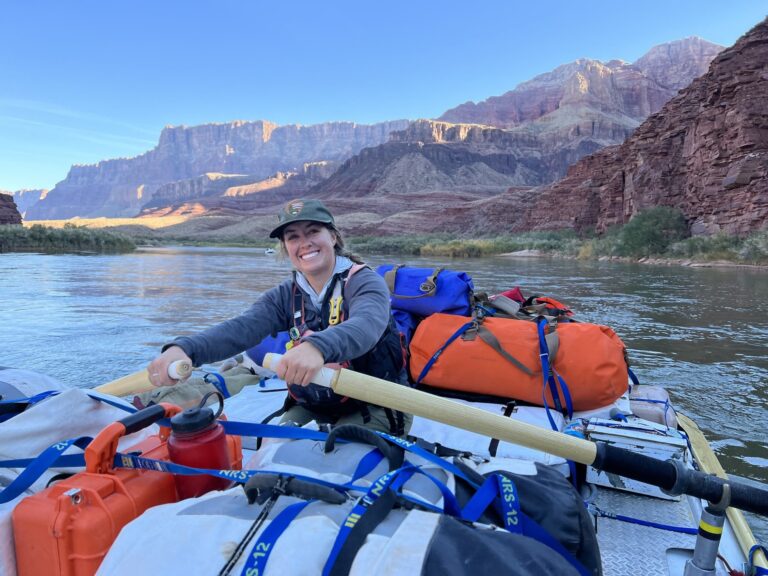
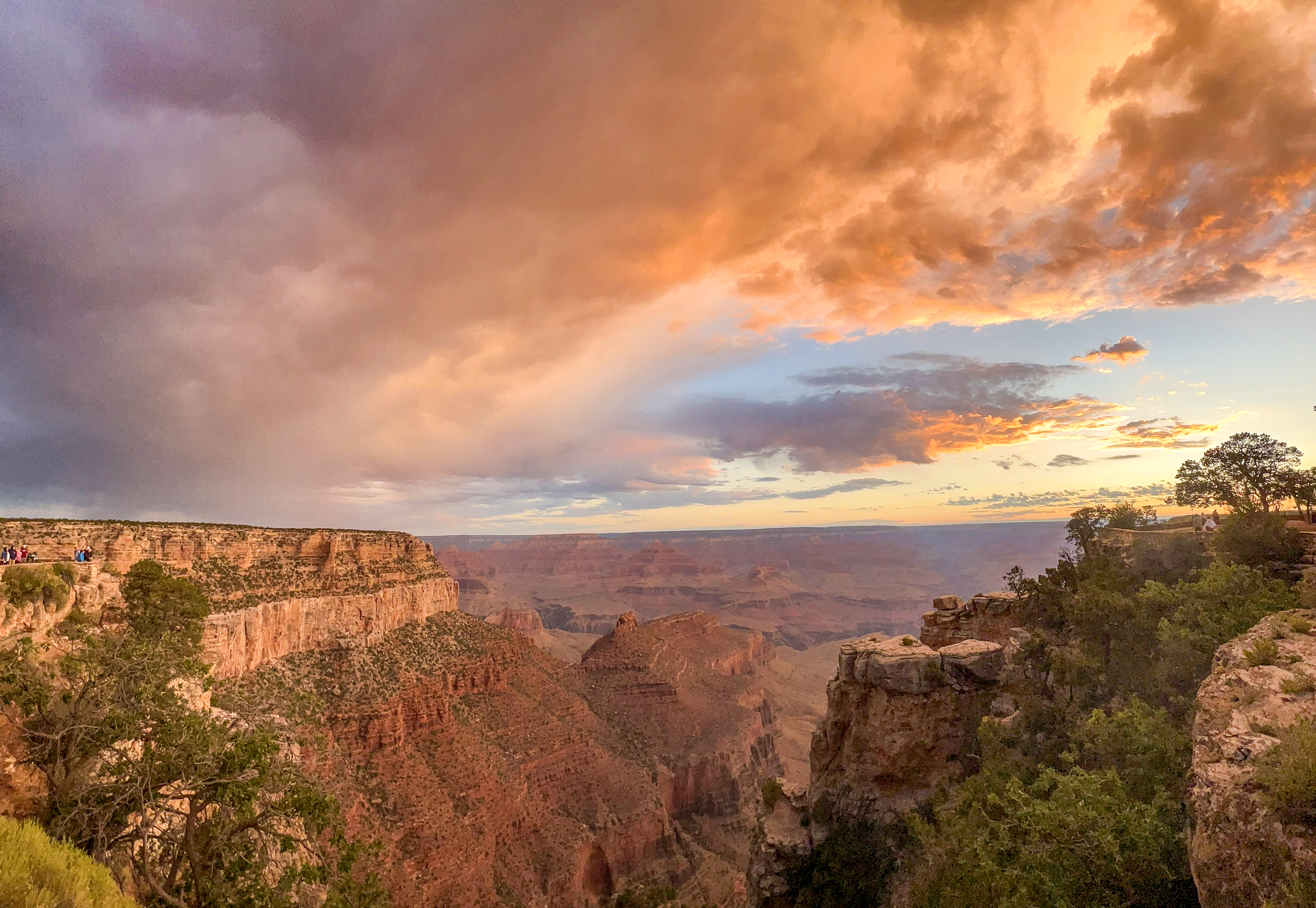
Grand Canyon is more than an iconic landscape: it is a living ecosystem spanning over a million acres and supporting thousands of species. From bighorn sheep navigating steep canyon walls to native fish in cold tributaries, wildlife is part of every layer of this environment.
Protecting wildlife begins with understanding how water, vegetation, climate, and human activity are connected across Grand Canyon. As conditions change, science helps guide how these systems are protected and sustained.
Researchers and land managers rely on science to:
- Monitor wildlife populations and habitat health
- Track long-term environmental changes
- Understand how ecosystems respond to stressors
- Inform conservation decisions with data
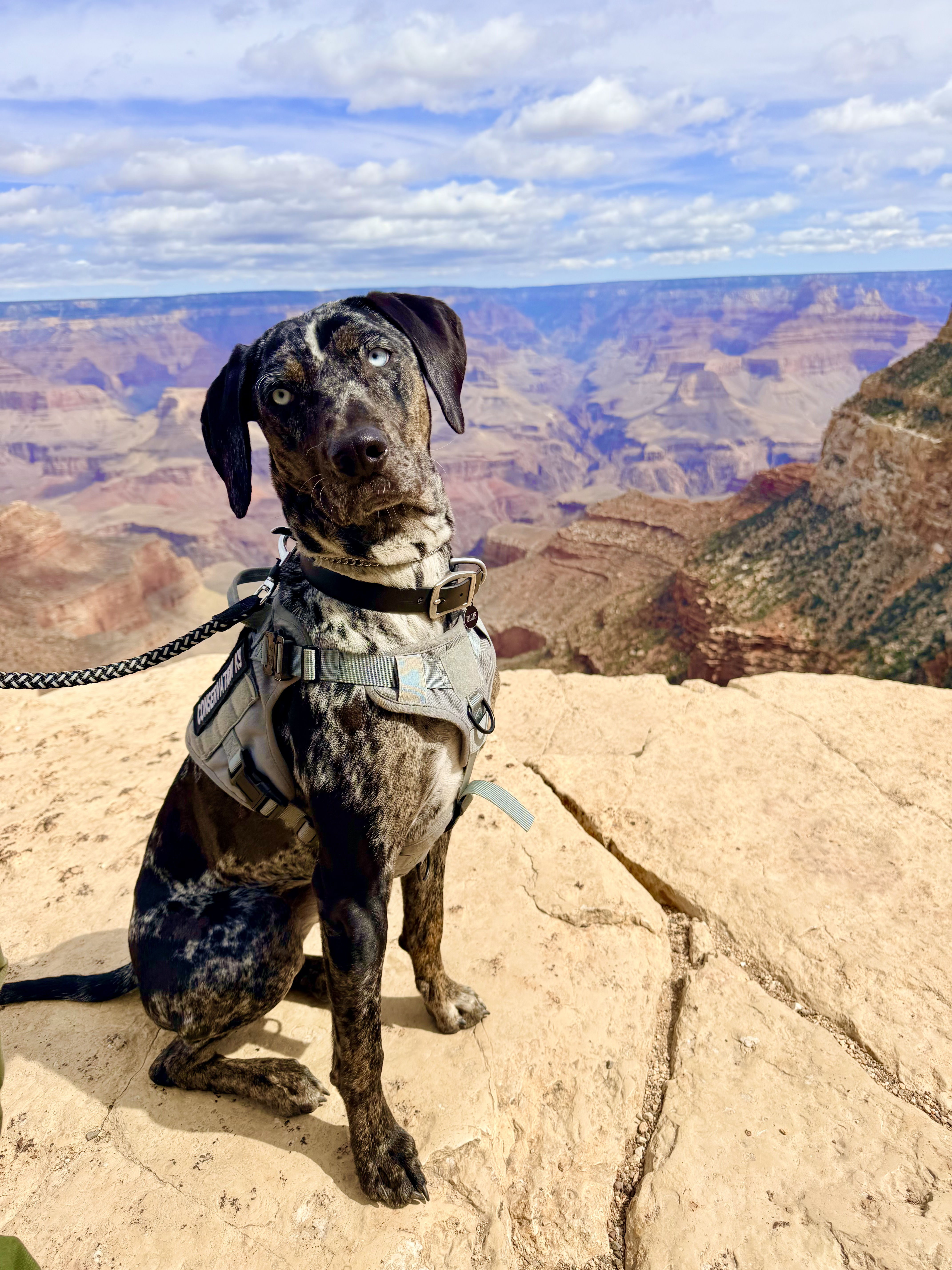
Innovative tools also support this work. Through a pilot Conservation K9 Program, a trained detection dog named Blue helps locate hard-to-track wildlife indicators, providing valuable data for research and conservation.
This effort builds on longstanding wildlife conservation work at Grand Canyon, including managing the bison population on the North Rim and supporting habitat for species like Monarch butterflies.
Explore more of these ongoing conservation and research initiatives here.
As the official nonprofit partner of Grand Canyon National Park, Grand Canyon Conservancy supports efforts that protect biodiversity while maintaining balance across the ecosystem.
How Stewardship Turns Knowledge Into Action
The future of Grand Canyon National Park depends on well-informed decisions. Every day, park staff and scientists must make decisions that profoundly impact the future of critical resources, including water, wildlife, land use, archeology, and more. To ensure the park's future, we need to understand the current state of every aspect of park management.
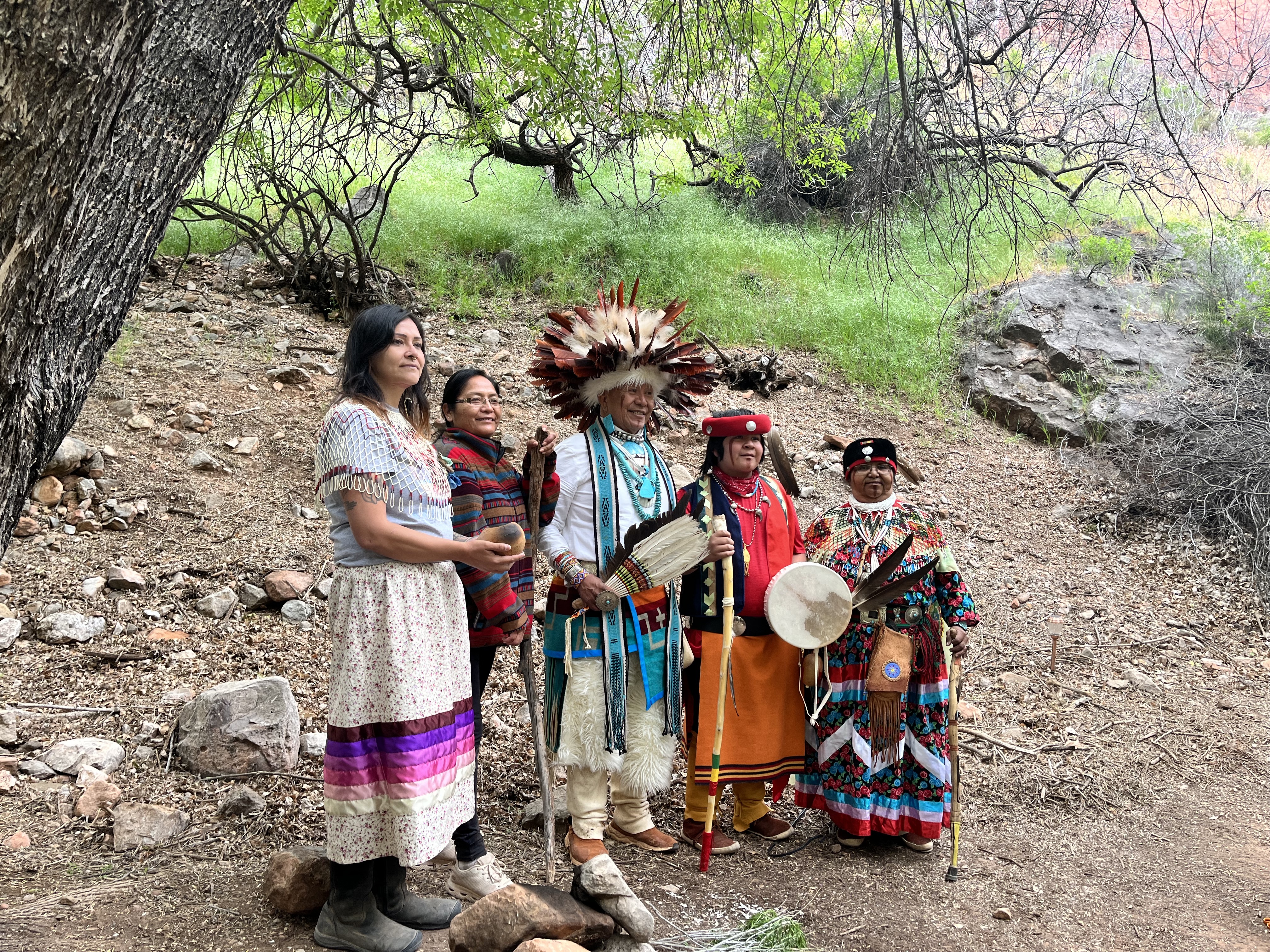
Stewardship at Grand Canyon is not only about protecting land and wildlife. It also means honoring the canyon as a living cultural landscape with deep meaning to Tribal communities whose connections to Grand Canyon span generations.
With your help, Grand Canyon Conservancy funds research related to critical conservation and research initiatives, including:
- Park mapping and resource planning
- Groundwater studies
- Climate change research
- Wildlife restoration
- Habitat restoration
- Cultural preservation and Tribal partnership projects
Explore these ongoing conservation and research initiatives here.
Why This Work Matters for Future Generations
Protecting Grand Canyon is about more than preserving a landscape: it is about ensuring that future generations can experience, learn from, and be inspired by it.
Healthy ecosystems support biodiversity and resilience. Cultural preservation ensures that Indigenous histories and connections remain visible and respected. Thoughtful visitor management helps maintain access while protecting the integrity of the environment. Together, these efforts create a future where Grand Canyon remains both protected and accessible - a place where people can connect with nature, history, and one another.
These efforts come to life through projects making a measurable impact across Grand Canyon.
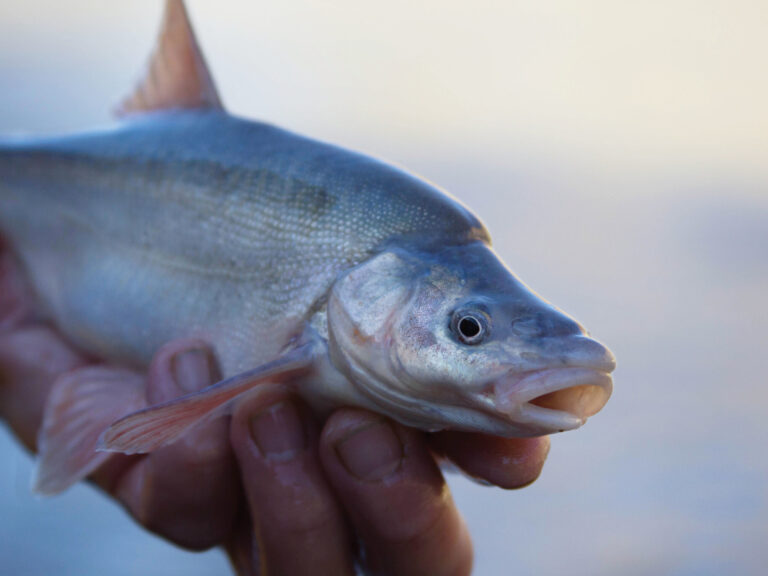
Fisheries Restoration
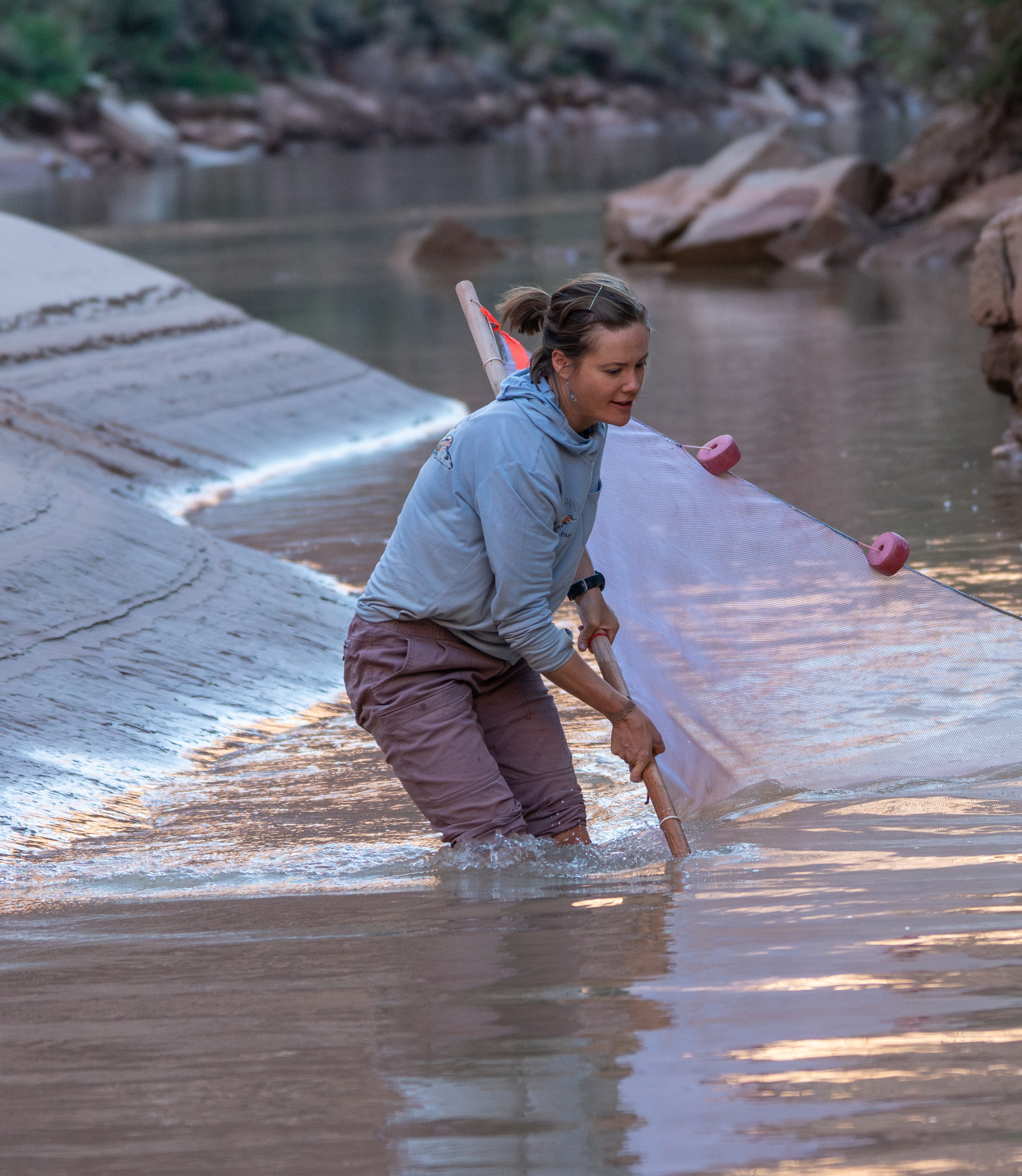
Native fish species are an important part of Grand Canyon’s ecosystem, but they face ongoing challenges from habitat changes, nonnative species, and shifting environmental conditions.
Through fisheries restoration efforts, scientists and conservation teams work to better understand and protect these species. This includes:
- Monitoring populations
- Improving habitat conditions
- Supporting biodiversity across river systems.
These initiatives demonstrate how science and stewardship work together. Research identifies the challenges, while on-the-ground efforts address them, helping restore balance within the ecosystem.
Learn more about these efforts here.
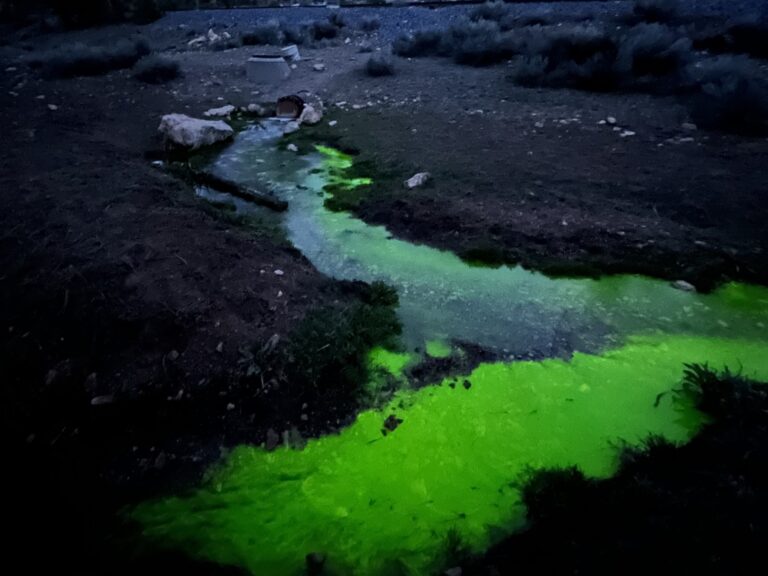
Colorado River Conservation
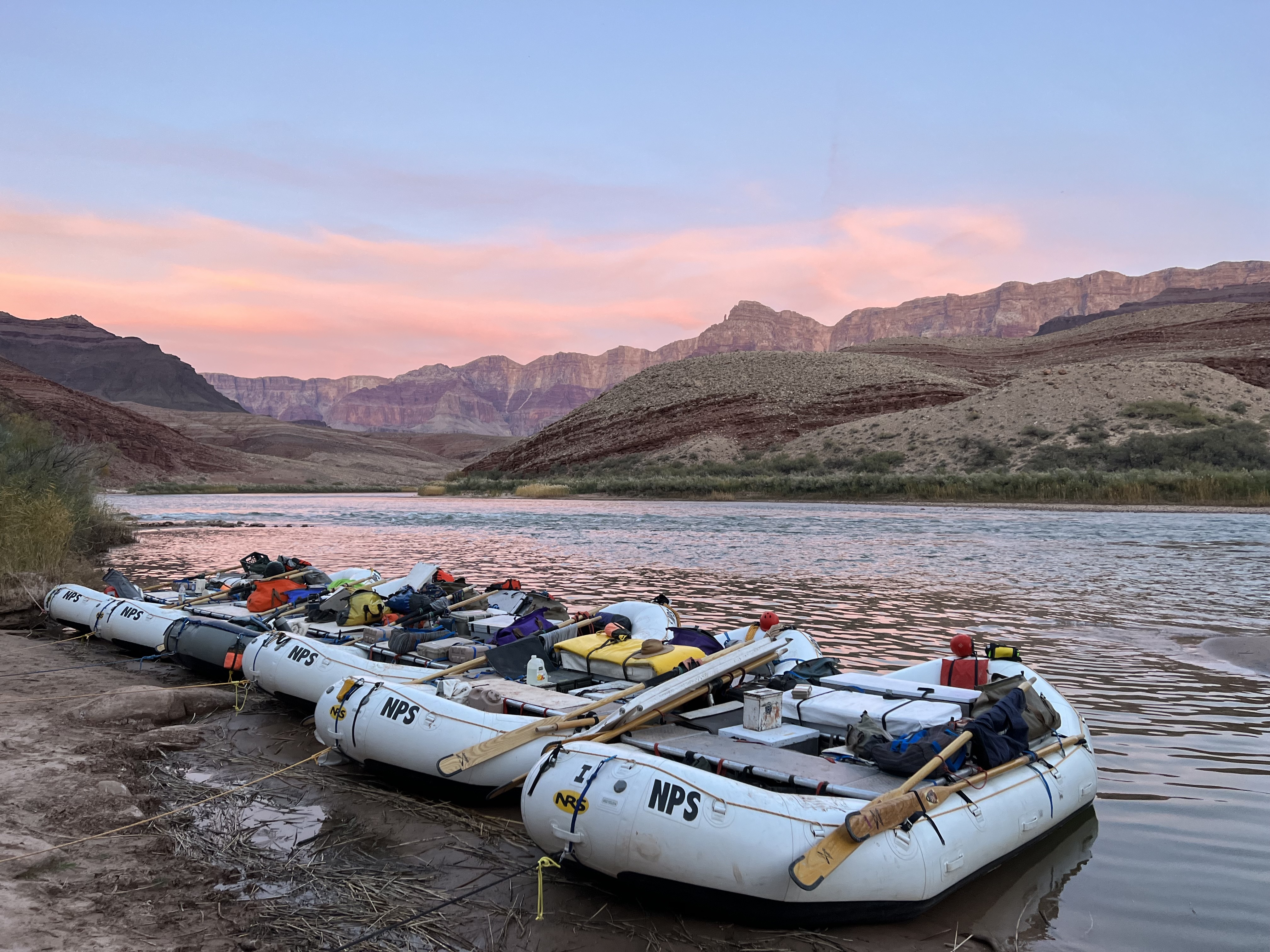
The Colorado River is the lifeline of Grand Canyon. It shapes the landscape, supports ecosystems, and provides essential resources for both wildlife and people.
Managing this river requires a deep understanding of water flow, sediment movement, and habitat needs. Conservation efforts focus on maintaining ecological balance while supporting long-term sustainability.
Ongoing research and collaboration help guide decisions about water management, ensuring that the river continues to support the diverse systems that depend on it.
Learn more about this work here.
Additional Conservation Efforts Across Grand Canyon
Conservation at Grand Canyon extends beyond individual projects. A wide range of efforts work together to protect its ecosystems, cultural resources, and visitor experience.
These initiatives include:
- Wilderness Monitoring Program
Supporting soundscape monitoring to better understand biodiversity and species distribution across the park, helping guide long-term conservation decisions. Learn more here. - Mapping a Better Future for Grand Canyon National Park
Using data and mapping tools to inform planning, improve resource management, and support sustainable decision-making across the landscape. Learn more here. - Colorado River Management and Resource Stewardship
Continuing efforts to study and protect the river system that sustains ecosystems throughout Grand Canyon. Learn more here. - Dark Sky Protection and Astronomy Programs
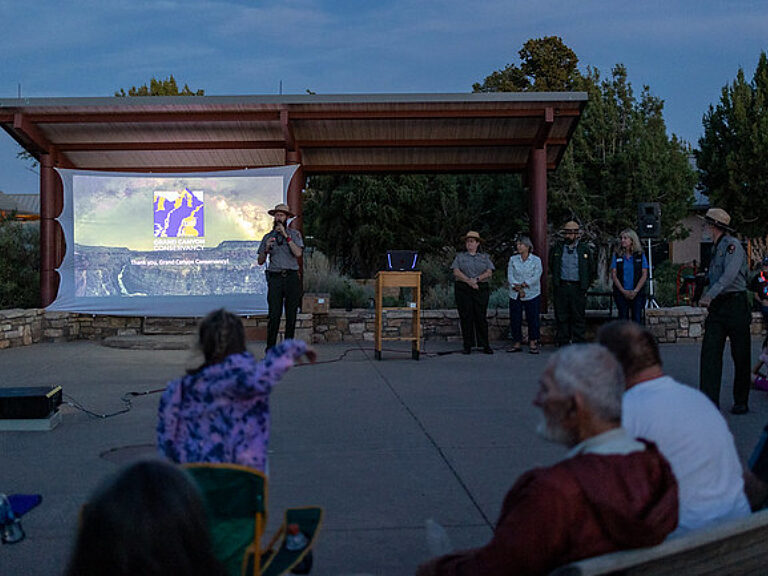
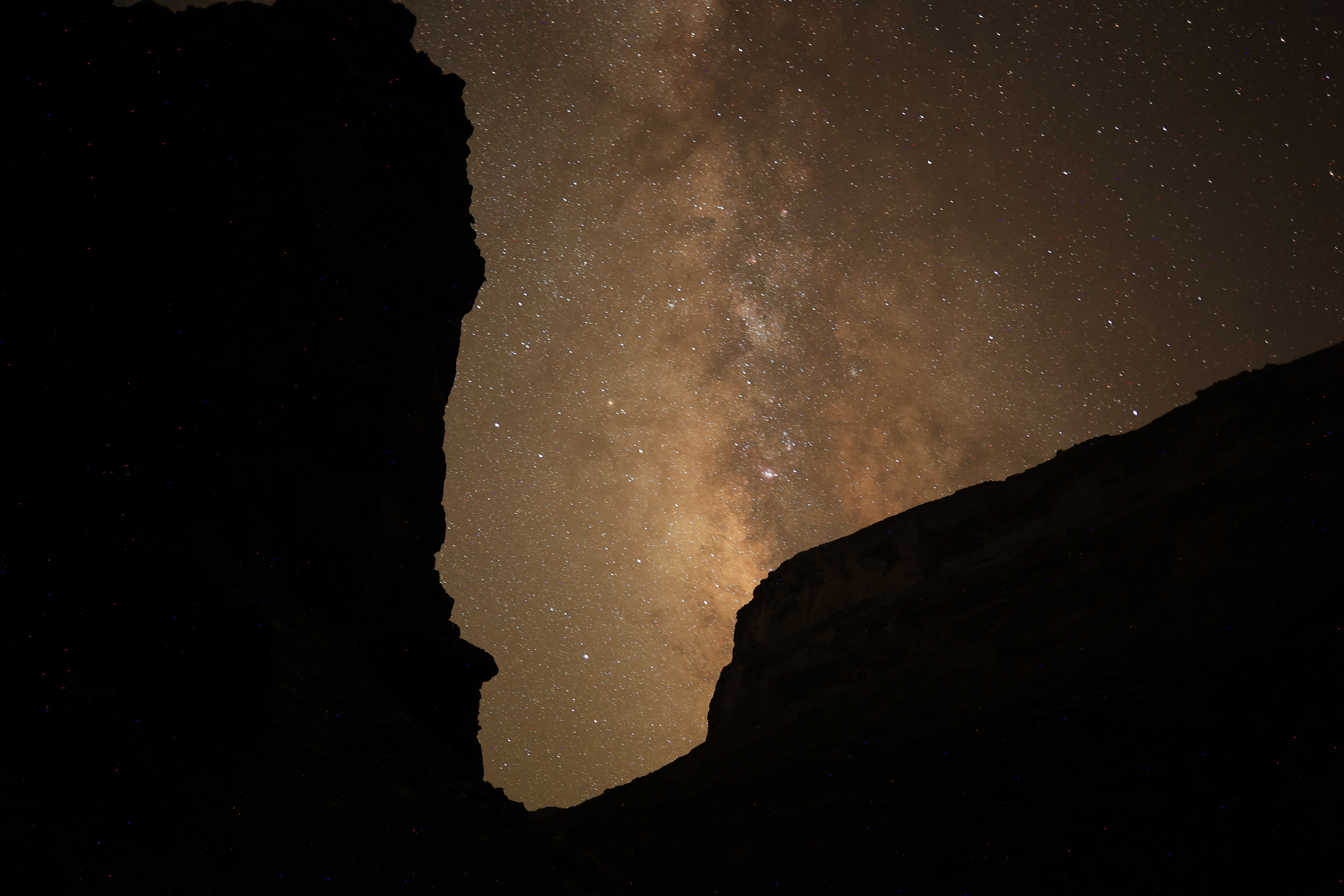
In-person astronomy programs offer opportunities to experience Grand Canyon’s night skies while learning about their importance. Events like the annual Star Party in June and other programs throughout the year highlight how dark skies support wildlife, ecosystems, and cultural connections. These experiences also help visitors better understand the value of preserving natural darkness for future generations.
Although each project focuses on a different aspect of Grand Canyon, they are all connected. Healthy rivers support wildlife. Protected dark skies support ecosystems and visitor experiences. Cultural preservation strengthens understanding of the canyon’s past, present, and future.
Together, these efforts reflect the breadth of Grand Canyon Conservancy’s work, combining science, education, and stewardship to protect this landscape in interconnected ways.
Why These Projects Matter Together
No single project can protect Grand Canyon on its own. These efforts are interconnected. Each one contributes to the health of a larger system.
Science, culture, and visitor experience are not separate priorities. They are deeply linked. Protecting wildlife supports ecosystem balance. Preserving cultural heritage strengthens understanding and respect. Managing visitor impact ensures that access remains sustainable.
Together, these efforts reflect the core pillars of Grand Canyon Conservancy’s mission:
- Educate: Share knowledge and deepen understanding
- Inspire: Foster connection and appreciation
- Protect: Support long-term conservation
Each project, each visitor, and each act of support helps create long-term impact. Don't forget to learn about all the work that we do at Grand Canyon Conservancy: About GCC.
How You Can Support Grand Canyon This Earth Day
Earth Day is an invitation to take part in conservation. There are many ways to support the protection of Grand Canyon:
- Donating to support critical research and conservation efforts
- Participating in Field Institute programs to deepen your understanding of Grand Canyon.
- Becoming a member to help protect Grand Canyon for future generations.
- Encouraging young stewards by joining the Junior Ranger Program.
- Adopting a lion to symbolically support wildlife conservation efforts.
- Staying informed and sharing stories that highlight the importance of conservation
Every action contributes to a larger effort—one that ensures Grand Canyon remains protected for generations to come.
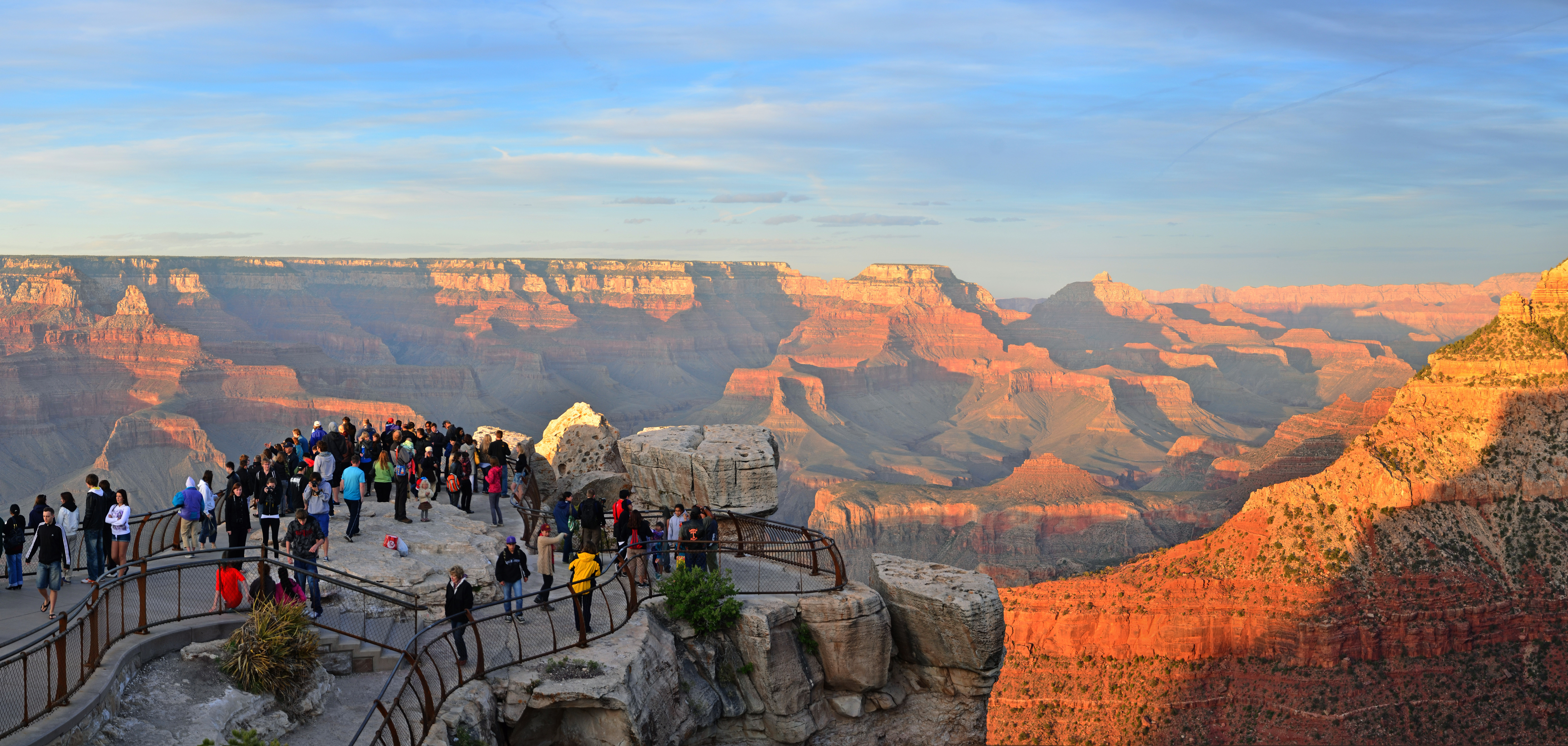
Protecting Grand Canyon - On Earth Day and Every Day
Earth Day is a meaningful moment to reflect, but the work of protecting Grand Canyon continues year-round. Conservation here is ongoing, shaped by research, guided by stewardship, and strengthened by community support.
Science helps us understand the landscape. Stewardship turns that knowledge into action. And together, partners, supporters, and visitors sustain this work over time.
Protecting Grand Canyon is a shared responsibility. You can help by learning, giving, or simply experiencing this place with care; each action contributes to its future.
You are invited to be part of that effort, on Earth Day and every day.
Preserve and protect Grand Canyon by giving today!
Your support will help fund projects including trails and historic building preservation, educational programs for youth and the public, and the protection of wildlife and their natural habitat.
Donate